
You’ve got peeling trim on the back of the house and three painters coming out this week. One quotes low. One talks fast. One hands you a two-page proposal. So which one gets the job? Price alone won’t tell you. A cheap bid might skip the scraping and primer that keep paint on the wall past next winter. Smart painting contractor selection comes down to a handful of checks most people rush through. You want proven experience and proof of insurance. You want a detailed written estimate, a clear prep plan, and a solid contract. This guide shows you what to look at and what to ask before you hire anyone.
What Should You Consider Before Hiring a Painting Contractor?
Know your job before you call anyone. A fuzzy request gets you fuzzy bids, and those are hard to compare. Spend twenty minutes getting clear on what you want done. Then look for a painter whose past work lines up with it. Everything after that gets a lot easier.
Define the Painting Project and Its Requirements
Walk the property and list every surface you want painted. Note problem spots like water stains. Give every contractor the same list. Project type shapes who you hire. A crew that repaints bedrooms all day may not suit cabinets or a storefront. Industrial coatings are another skill set. Tall exteriors may need lifts.
Look for Experience With Similar Projects
Ask each painter about recent jobs like yours. A new-drywall specialist may struggle with a 1920s house. Old homes often hide oil-based trim that needs the right primer. Cabinets and stucco have their own rules too. You need someone who has done your kind of job more than once.
How Can You Verify a Painting Contractor’s Credentials?
Anyone can say they’re licensed and insured. Checking takes a few phone calls. It’s worth the time. A missing license or a lapsed policy can leave you holding the bill if something goes wrong. Start with the paperwork. Then find out who will actually show up at your door.
Confirm Licensing and Local Requirements
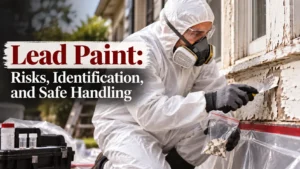
Licensing rules change from place to place. Some states require a contractor license above a set job value. Others leave it to cities or counties. Your state contractor board can tell you what applies. Ask about permits too. Is your home older than 1978? Ask if the firm is EPA Lead-Safe certified. Federal rules require it for most paid jobs that disturb old paint.
Request Proof of Insurance
Ask for a current certificate of insurance before work starts. Better yet, have the contractor’s agent send it to you directly. General liability pays for accidental damage to your property. Workers’ compensation covers crew members hurt on your job. Check the policy dates. Then ask what the policy leaves out.
Ask About Employees and Subcontractors
The person who writes your estimate may never touch a brush on your job. Ask who will do the work. It might be the company’s own crew or a subcontractor. Subs are fine if they’re insured and supervised. Get one name for your main contact.
Why Should You Check References and Previous Painting Work?
A sales pitch shows a contractor at their best. Past jobs show what happens after the deposit clears. That’s the part you’re really paying for. Photos give you a quick look at their standards. Real customers fill in the rest. Use both before you make a choice.
Review Photos and Examples of Completed Projects
Ask for photos of jobs like yours and look closely. Are the cut lines straight where the wall meets the ceiling? Does the trim look smooth, or do you spot drips? Anyone can pick their ten best shots. A finished exterior you can drive past tells you much more.
Speak With Previous Customers
Get two or three recent references and call them. Ask if the crew showed up on time. Ask how they handled complaints and cleanup. Then read online reviews and look for patterns. One angry review might be a bad day. Five reviews about missed start dates are a trend.
What Should a Painting Contractor’s Written Estimate Include?
Get every estimate in writing. A number scribbled on a business card can’t be compared to anything. A real estimate spells out the work and the products behind the price. Once you have a few on paper, lay them side by side. The gaps usually jump out fast.
Compare the Project Scope and Preparation Work
Prep work is where bids split apart. One painter will scrape loose paint and prime bare wood. Another will roll right over what’s there. Only one of those jobs will last. Check which areas each bid covers. Ask how the crew protects floors and plants. Ask if repairs are included.
Review Paint Products, Coats, and Application Details
Ask which paint brand and product line the contractor plans to use. You can look up a product name. The right choice depends on the surface. Bathroom walls deal with steam. South-facing siding bakes in the sun. Ask why the painter picked that product. Confirm the sheen and number of coats.
Compare Estimates Beyond the Total Price
The lowest bid often isn’t cheaper. It’s smaller. It might leave out the primer. It might bill wood repair as an extra once the job starts. When two totals sit far apart, ask both contractors what explains the gap. Then line the bids up item by item using the table below.
| Estimate detail | What to confirm |
| Surfaces | Rooms, trim, or siding included |
| Prep | Scraping, patching, and priming |
| Paint | Brand, sheen, and number of coats |
| Extras | What could raise the price |
What Questions Should You Ask Before Hiring a Painting Contractor?
Good questions sort contractors fast. Bring this list to every estimate visit and write down the answers. Listen for detail. “We’ll take care of it” isn’t an answer. “We’ll scrape loose paint and spot-prime bare wood”. Notice whether the painter listens to your concerns or talks right over them.
- What prep work is in the estimate?
- Which products do you suggest here, and why?
- Who will do and supervise the work?
- How long should the job take?
- How will you protect my floors and furniture?
- What warranty covers the finished work?
What Should You Review in the Painting Contract Before Work Begins?
Whatever you agreed to out loud belongs on paper before the first drop cloth goes down. Memories fade. People mishear things. A clear contract protects you and the painter alike. Read it slowly at the kitchen table. Don’t sign anything you haven’t read all the way through.
Confirm the Scope, Schedule, and Responsibilities
Put the contract next to the estimate you accepted. The surfaces and prep should match. So should the products and the exclusions. Check the start date and how long the job should run. Then settle the small stuff. Who moves the furniture? Who hauls away old paint cans?
Understand Payment Terms and Possible Changes
Many contractors ask for a deposit up front and the balance at the end. Some add a progress payment in between. Changes should go through a written change order you sign first. A verbal “we’ll sort it out later” is how a fair price becomes a surprise bill.
Clarify the Warranty and Final Walkthrough
Warranties vary a lot. Some contractors don’t offer one at all. Ask what’s covered and for how long. Get the exclusions and claim process in writing. Then book a final walkthrough before the last payment. Mark missed spots while the crew is still there to fix them.
What Are the Warning Signs of an Unreliable Painting Contractor?
Some red flags show up in the first conversation. Others hide in the paperwork. One item below doesn’t always rule a contractor out. Maybe they just forgot the insurance papers. Look at the whole picture and ask follow-up questions. If key details are still unclear, don’t sign yet.
- Won’t put the estimate or agreement in writing
- Can’t explain how they’ll prep the surfaces
- Dodges your request for proof of insurance
- Pushes you to sign today
- Wants a big payment with no written terms
- Offers a guarantee but can’t say what it covers
Frequently Asked Questions
How Many Painting Contractors Should You Get Estimates From?
Two or three qualified contractors are usually enough. That gives you a fair look at scope and prep. You’ll also see a range of prices. Detail matters more than volume. Three thorough written proposals beat eight quick phone quotes. More bids mostly mean more appointments to sit through.
Should a Painting Contractor Provide Proof of Insurance?
Yes. Ask for a current certificate of insurance before work begins. Check the dates printed on it. Confirm it includes general liability. If the company has employees, ask about workers’ comp too. A legit contractor will send it without fuss. If they hesitate or make excuses, keep looking.
Is the Lowest Painting Estimate Always the Best Choice?
No. A low estimate may skip prep work. It may use cheaper products that wear out sooner. Weigh the scope and materials alongside the price. Think about the painter’s experience too. Then read the contract terms. The best value is the bid that lasts, not the smallest number.
Final Thoughts
Good painting work starts before anyone opens a can. Verify credentials and insurance. Look at real past work and call references. Then compare detailed written estimates, ask direct questions, and read the contract before you sign. Knapp Painting LLC is a premier Cleveland painting contractor serving the Greater Cleveland, OH area, including Lakewood, Parma, Cleveland Heights, University Heights, and Mentor. The company specializes in residential, commercial, and interior cabinet painting services. Contact Knapp Painting LLC today to schedule your consultation and detailed estimate.