You finally picked a color for the dining room, and the trim around those old windows is starting to chip. Before anyone grabs a scraper, ask one question about a house built decades ago: could there be lead paint under those layers? Trouble starts when old paint breaks down or gets sanded, cut, or scraped into dust that people swallow or breathe. This guide covers where lead paint shows up, why exposure matters, how testing works, and how to plan renovation so nobody in the house pays for it later.
What Is Lead Paint and Where Might It Be Found?
Lead paint is paint made with lead compounds, which manufacturers once added for color and durability. It hasn’t been sold for homes in decades. Old coats still matter because they often hide under newer paint.
Why Older Homes May Contain Lead-Based Paint
The federal government banned lead-based paint for residential use in 1978, and the CDC says homes built before then are likely to have some. A pre-1978 build date is a reason to look closer, not proof. Newer homes carry less paint risk, though lead can come from other sources. Cleveland estimates about 80 percent of its homes were built before 1978, so this question comes up a lot here.
Common Surfaces Where Lead Paint May Be Present
Surfaces that rub, bump, or open daily deserve the most attention because friction grinds paint into dust:
- Window sashes, sills, and wells
- Doors, frames, and jambs
- Stair treads and railings
- Porches, exterior trim, and siding
- Baseboards and cabinets
Whether any of these contain lead depends on the building’s history and what was used on each surface.
When to Suspect a Potential Lead Paint Hazard
Peeling, cracking, or chalking paint in an older home calls for caution. Deterioration alone doesn’t confirm lead, though. Intact paint isn’t automatically safe to disturb either. A smooth wall can release lead dust the moment someone sands it or cuts in a new outlet.
What Are the Health Risks of Lead Paint Exposure?
The real concern is lead exposure, which usually happens when contaminated dust or chips are swallowed or inhaled. Most exposed people show no obvious symptoms, so prevention matters.
How Lead Dust and Paint Chips Cause Exposure
Worn or disturbed lead paint breaks into chips and fine dust, much of it too small to see. That dust settles on floors, sills, and toys, then ends up on hands and in mouths. Young kids may also chew painted edges like windowsills.
Why Children and Pregnant People Need Particular Protection
Young children’s brains and bodies are still developing, and they put hands and objects in their mouths constantly. Childhood lead exposure has been linked to learning and behavior problems. During pregnancy, lead in the parent’s body can reach the developing baby. If you think a child has been exposed, call their health care provider about a blood lead test.
Why Adults Should Also Take Precautions
Adults aren’t immune. Lead builds up in the body over time and has been linked to high blood pressure and kidney problems. Workers can carry dust home on clothes and tools, putting their families at risk too.
How Can You Identify and Test for Lead Paint?
You can’t identify lead paint by staring at a wall. A real answer means testing the paint itself.
Why Paint Appearance Is Not a Reliable Test
Color, texture, and cracking patterns prove nothing. Lead paint came in every color, and it’s often buried under newer coats. Only testing can verify whether the lead is there.
Lead Test Kits vs. Professional Testing
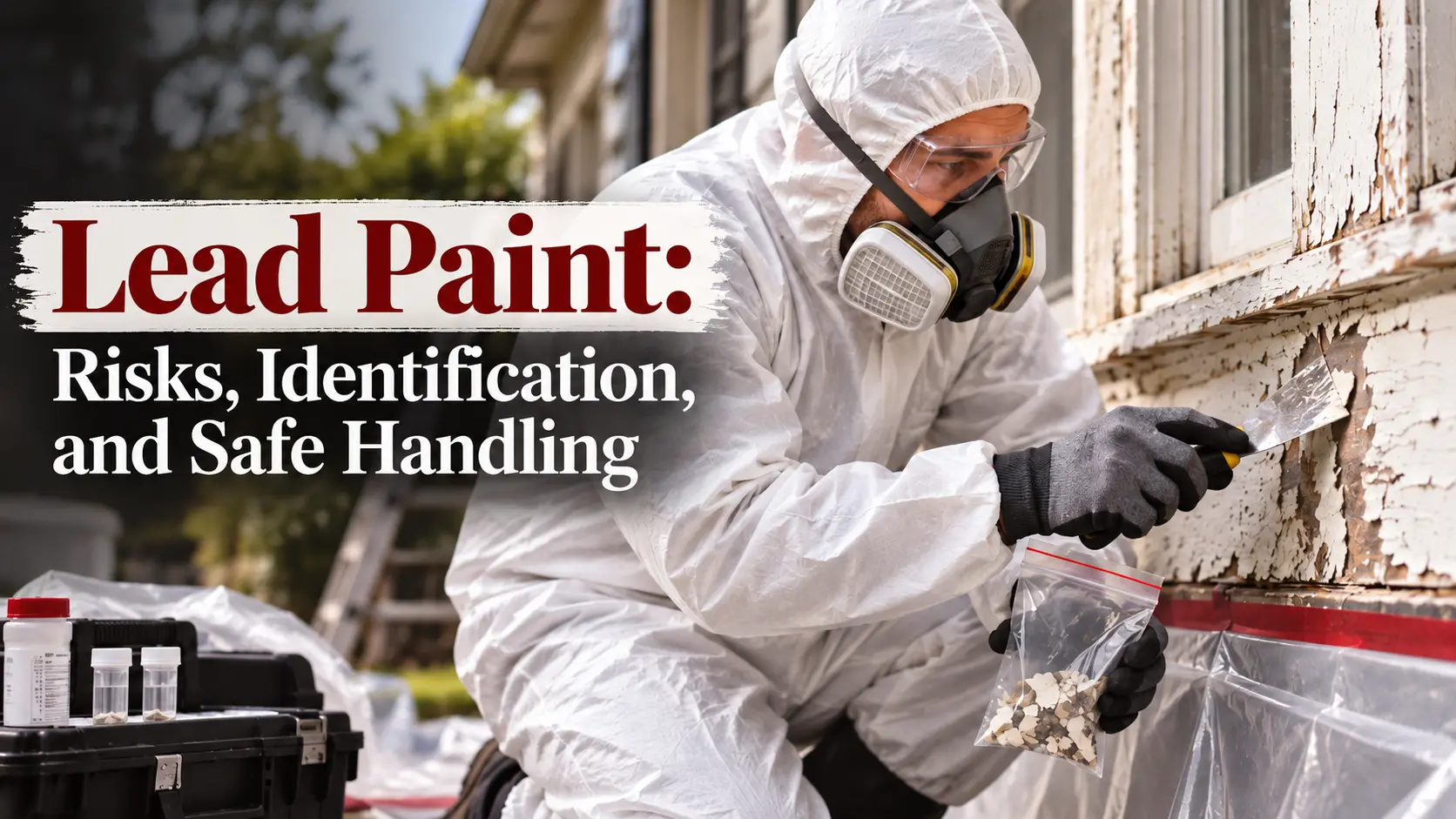
Store-bought kits use a chemical that changes color when it reacts with lead. The EPA recognizes specific test kits for DIY checks, though certified renovators rely on them to confirm lead-safe job site standards. A professional lead inspection reports the lead content of painted surfaces, often using an XRF analyzer or lab samples. A risk assessment goes further, identifying actual hazards and how to address them. In Ohio, inspectors and risk assessors are licensed by the Ohio Department of Health.
What to Do When Lead Paint Is Suspected or Confirmed
Leave it alone for now. Keep kids, pets, and anyone pregnant away from chipping areas and debris. If the paint is intact and no work is planned, watching its condition may be enough. If paint is failing or a project is coming, get qualified guidance before work starts.
What Precautions Should Be Taken Before Renovating Lead-Painted Surfaces?
Renovation is where many lead problems begin. Sanding, demolition, and window replacement can turn a stable surface into a dust source in minutes.
Avoid Disturbing Suspected Lead Paint
Hold off on scraping, sanding, drilling, or cutting painted materials until the risk is assessed. Opening a wall for wiring can create plenty of dust. A paper dust mask won’t make that work safe, and methods like power sanding or open-flame burning make things far worse.
Understand Lead-Safe Work Area Controls
Lead-safe work practices keep dust inside the work area and protect workers and occupants. That usually means restricting access and building a containment barrier with plastic sheeting. Floors and belongings get covered, and HVAC that could spread dust gets shut down. Workers wear protective clothing and, when needed, a properly fitted respirator. Equipment alone isn’t a plan, though.
Why Ordinary Cleanup Methods May Not Be Enough
Sweeping and a regular household vacuum can kick fine lead dust back into the air. Lead-safe cleanup relies on HEPA vacuums, wet wiping, and careful bagging of debris. After regulated work, cleaning gets verified before people move back in. Suspect contamination? Call a qualified professional.
Lead Paint Removal, Encapsulation, and Professional Help
The right approach depends on the surface, its condition, the planned work, and the rules that apply.
When Lead Paint May Need Professional Removal
Removal can make sense for friction surfaces that keep wearing down or components failing anyway, like old window sashes. It’s also the approach most likely to create dust when done wrong. Permanent lead hazard elimination, called abatement, is regulated. In Ohio, it generally requires contractors and workers licensed by the Ohio Department of Health.
When Encapsulation or Enclosure May Be Considered
Encapsulation means coating lead paint with a specially formulated product that bonds to the surface and seals it in. Regular paint doesn’t qualify.” Enclosure” means covering the surface with a rigid material, such as new drywall. Both leave the lead in place, so surfaces need periodic checks. Neither suits paint that’s peeling, damp, or constantly rubbed.
How to Choose a Qualified Lead-Safe Professional
Ask before you sign. Is the firm EPA Lead-Safe Certified? For abatement, does the contractor hold the proper Ohio license? Ask how they’ll contain the area, protect your household, and verify cleanup. You can check certification through the EPA’s online search tool.
What Lead Paint Regulations Should Homeowners Know?
Which rules apply depends on the building’s age, who does the work, and whether the property is a rental. This is a general overview, not legal advice.
Understanding the EPA Renovation, Repair, and Painting Rule
The EPA’s Renovation, Repair and Painting (RRP) Rule covers paid work that disturbs paint in homes built before 1978 and child-occupied facilities like daycares. Firms must be certified, use certified renovators, follow lead-safe work practices, and give occupants the EPA’s Renovate Right pamphlet before work begins. Very small jobs (generally under 6 square feet per room inside or 20 square feet outside) may be exempt, but window replacement isn’t. The rule generally doesn’t cover homeowners working on their own homes.
Why Compliance Matters Before Painting or Renovation
Ohio adds its own rules. The Ohio Department of Health licenses lead inspectors, risk assessors, and abatement contractors, and state rules bar renovation from standing in for abatement when a lead-poisoned child has been identified. Cleveland goes further: rental units built before 1978 need a Lead Safe Certification renewed every two years, while owner-occupied homes don’t. Sort out what applies before work starts.
Frequently Asked Questions About Lead Paint
Can You Tell If Paint Contains Lead by Looking at It?
No. Lead paint has no telltale color or texture, and it often hides under newer coats. Professional testing, or an EPA-recognized kit used within its limits, is the way to find out.
Is It Safe to Paint Over Lead-Based Paint?
Sometimes. Standard paint never safely seals lead. On a sound surface, a specially formulated liquid encapsulant product must be used instead. Prep is the risky part, since scraping or sanding releases lead dust. Get the surface assessed first.
Should I Remove Lead Paint Myself?
Generally, no. Removal is the step most likely to spread lead dust through your home. Doing it safely takes training, containment, specialized equipment, and verified cleanup, and abatement in Ohio requires licensed professionals.
Final Thoughts
Old paint doesn’t call for panic. It calls for a plan. If your home was built before 1978, treat painted surfaces as suspect until testing says otherwise, and don’t disturb them without proper precautions.
Knapp Painting LLC provides interior and exterior painting for homes and businesses in Cleveland and nearby communities, including Lakewood, Parma, Mentor, and Cleveland Heights. Planning work on an older property? Mention the building’s age and any test results early, and ask about current services and any lead-related qualifications. Reach out to Knapp Painting LLC to talk through your painting plans and find out which services fit your project.