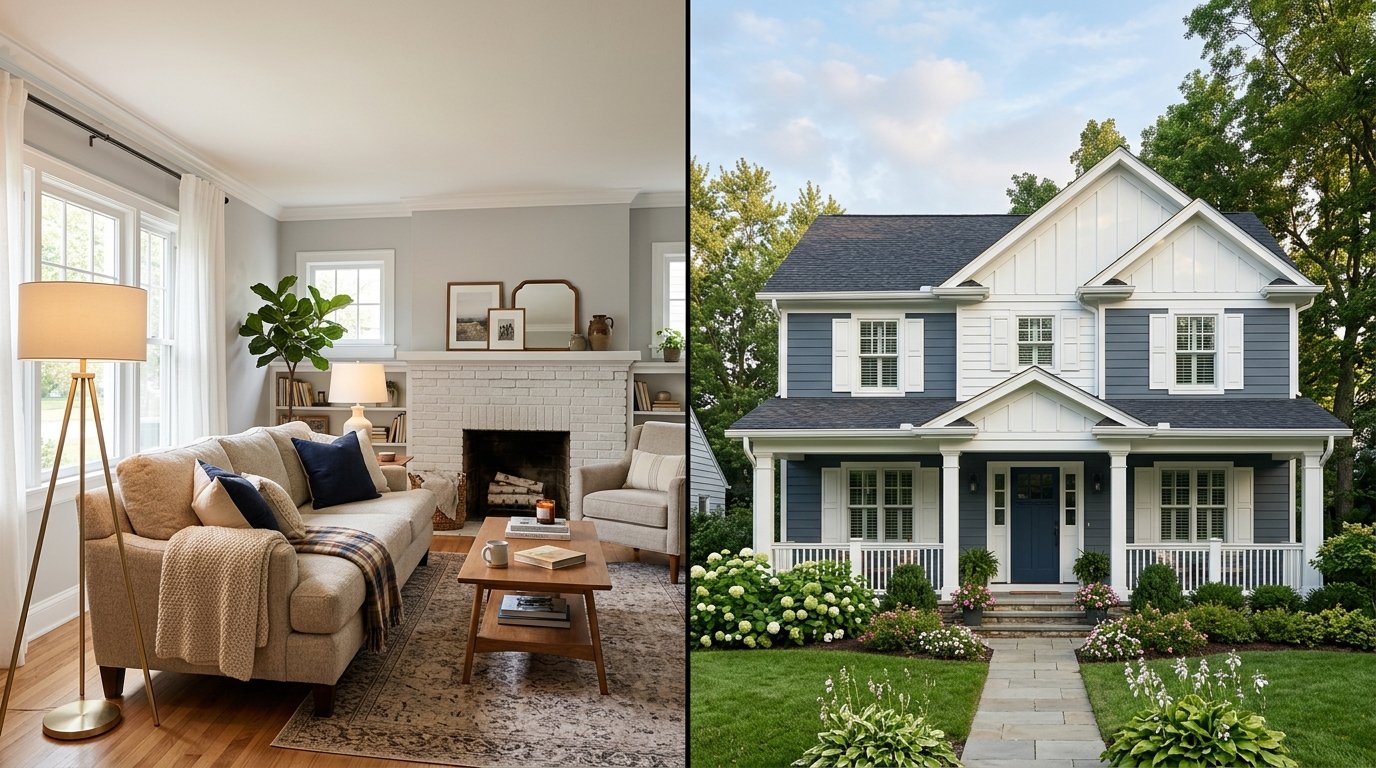
House painting cost in Cleveland depends on the size of the job, the condition of the surfaces, and the amount of prep work needed. Repairs, tall walls, trim, ceilings, siding, color changes, and the number of coats can all affect the price. A written estimate is the best way to learn what your project may cost.
Two homes of the same size may not cost the same to paint. One may have smooth walls and easy access. Another may have cracked plaster, peeling paint, damaged siding, or tall stairways.
This guide explains how painters build an estimate. It also covers interior and exterior cost factors. You will learn what should be included in a quote and how to compare bids fairly.
For help with the full project, read our Cleveland house painting guide.
How Is House Painting Cost Calculated?
Painters look at more than the floor size of a home. They need to know how much surface will be painted and what condition it is in.
A 1,000-square-foot home does not always have the same amount of wall space as another 1,000-square-foot home. Ceiling height, room shape, doors, windows, closets, and stairs can change the amount of work.
Most estimates include surface prep, repairs, labor, paint, primer, protection, access tools, and cleanup. Extra surfaces such as ceilings, trim, doors, and closets may be priced on their own.
This is why the cost to repaint a house cannot be judged by square footage alone.
A low quote may also include less work. One painter may include repairs, primer, and two coats. Another may quote one coat on the walls with little prep.
The scope of work should always be checked before the total price.
Is Interior or Exterior Painting More Expensive?
There is no fixed answer. Interior work may need more detail and protection. Exterior work may need more prep, taller access, and weather planning.
The condition of the home often matters more than whether the project is inside or outside.
What Affects Interior Painting Cost?
Homeowners often ask how much does it cost to repaint a house interior. The answer starts with the surfaces that are included.
A walls-only project is often simpler. A full-room project may also include ceilings, baseboards, doors, window trim, closets, and crown molding.
Furniture and floor protection also take time. Busy rooms may need to be painted in stages so the home can stay in use.
The interior painting cost in Cleveland may rise when a home has cracked drywall, old plaster, stains, tall ceilings, stairways, or detailed trim. A strong color change can also add work. Changing a dark wall to a light color may need more coats than painting it a similar shade.
For room and wall projects, review our interior wall painting services.
What Affects Exterior Painting Cost?
Homeowners also ask how much does it cost to repaint a house exterior. The price often depends on height, siding type, surface damage, and access.
A one-story home with firm siding may be easier to paint than a tall home with peeling paint and hard-to-reach peaks.
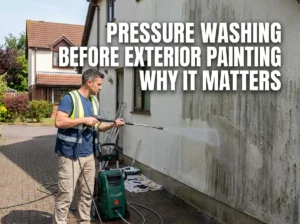
Exterior work may require washing, scraping, sanding, caulking, spot priming, masking, and cleanup. Wood, aluminum, vinyl, brick, and other surfaces may each need a different process.
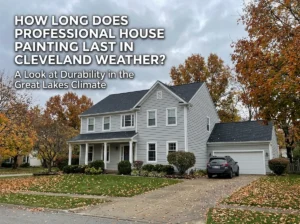
The exterior painting cost in Cleveland can also be affected by weather. The surface must be dry, and the air and surface temperature must match the paint maker’s instructions.
Our guide to the best time to paint a house exterior in Cleveland explains how rain, moisture, heat, and cold may affect the schedule.
What Has the Biggest Effect on Painting Cost?
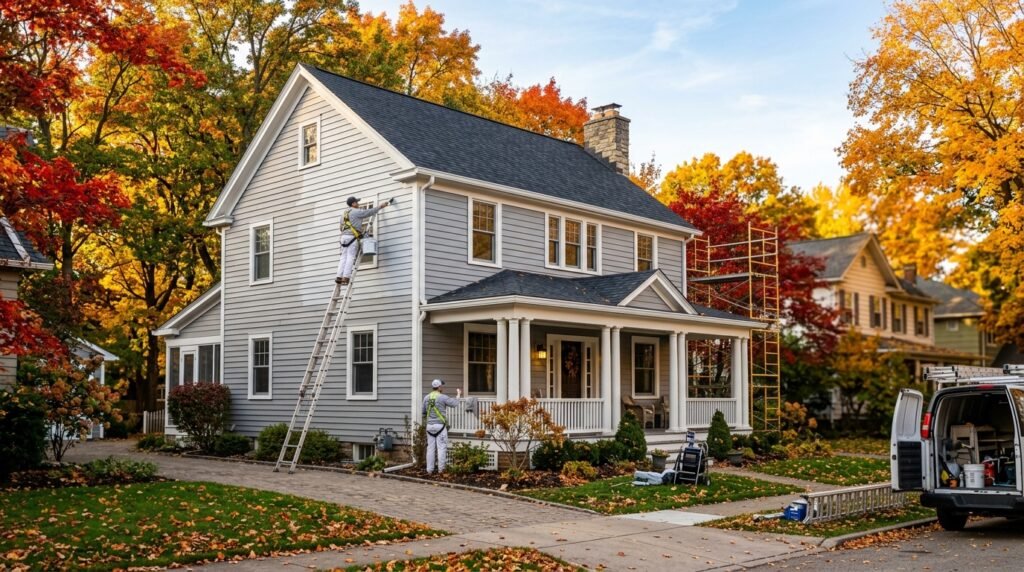
The largest cost changes often come from prep, repairs, access, and detail.
Paint is part of the total, but labor may rise faster when the home needs repair work.
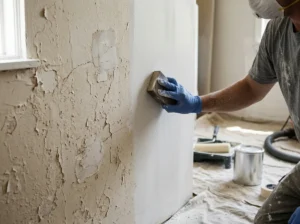
A clean wall with a similar color is usually simple to repaint. A cracked plaster wall with stains and loose paint may need patching, sanding, and primer before the finish coats can begin.
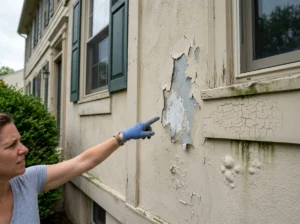
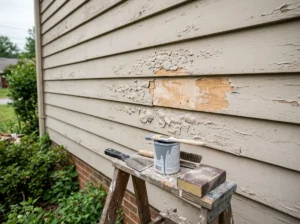
The same is true outside. Firm siding with light wear may need basic cleaning and prep. Peeling paint, failed caulk, damaged wood, and loose siding can add many hours of work.
Tall areas can also affect the estimate. Stairways, vaulted ceilings, rooflines, peaks, and tight spaces may require extra setup and safety planning.
This is why an average cost to repaint a house may not be useful on its own. A general average does not explain the condition of the home or what work is included.
How Do Repairs Affect the Price?
Repairs may be a small part of the job or one of the largest parts.
Paint holds best when the surface is clean, dry, firm, and smooth. New paint may not perform well on loose, wet, dirty, or damaged areas.
Inside the home, prep may include patching nail holes, fixing drywall, repairing small plaster cracks, sanding rough spots, cleaning stains, and priming repaired areas.
Outside, prep may include washing, scraping loose paint, sanding rough edges, replacing failed caulk, repairing damaged wood, and priming bare areas.
Older Cleveland homes may have plaster walls, wood trim, and several layers of old paint. These surfaces may need more care than newer drywall.
Our guide to painting older Cleveland homes explains how plaster, wood siding, and older coatings may affect the work.
Older homes may also contain lead-based paint. Work that disturbs old coatings may require special safety steps. Homeowners should ask how testing, dust control, cleanup, and any rules that apply will be handled.
A company should not be called lead-safe certified unless that claim has been checked.
Does Paint Quality Affect the Cost?
Yes. Paint quality, primer, finish, and the number of coats can affect labor and material costs.
The right paint depends on the surface, room use, moisture, wear, old coating, and new color.
Primer is not needed on every wall. It may be needed on bare repairs, stains, porous areas, or surfaces where paint may not grip well.
The estimate should explain where primer will be used.
The number of coats also matters. A large color change may need more work. Rough or textured walls may also use more paint.
Different finishes serve different uses. Flat and matte finishes may hide small flaws. Eggshell and satin are often easier to clean. Semi-gloss is often used on trim and doors.
The highest-priced paint is not always the right choice. The product should match the surface and how the space will be used.
What Extra Items Can Raise the Quote?
Many homeowners first ask for wall painting and later add ceilings, trim, doors, closets, or repairs.
Each added surface increases the work. Ceilings require more overhead labor. Trim and doors need careful cutting and may need a different paint. Closets and built-ins add small surfaces that take time to prepare.
Cabinets should usually be priced as a separate project. They need more cleaning, sanding, priming, and cure time than walls.
Exterior trim may also be priced apart from the siding. Porch ceilings, railings, columns, shutters, and detailed woodwork can add time.
A clear estimate should list these items instead of placing everything under one broad total.
What Should a Painting Estimate Include?
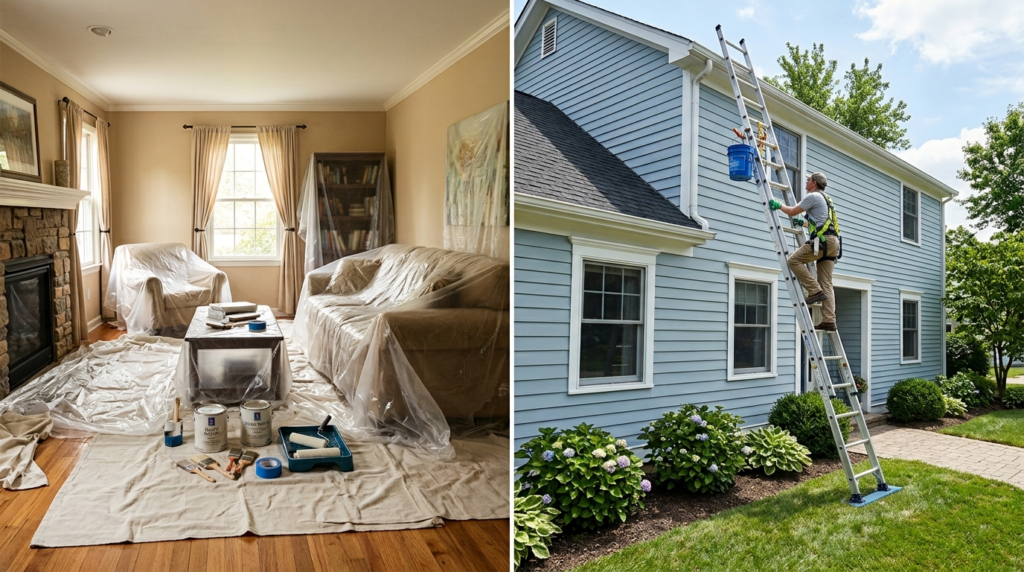
A good estimate should explain the project in plain words.
It should name the rooms or outside areas being painted. It should also state which surfaces are included. Walls, ceilings, trim, doors, closets, siding, and exterior details should not be left unclear.
The estimate should explain the prep work, repairs, primer, number of coats, and paint type. It should also cover protection, cleanup, access, payment terms, and how added work will be approved.
A written quote does not need to be long or hard to read. It only needs to make the scope clear.
How Should You Compare Painting Quotes?
Do not compare the total first. Compare what each painter plans to do.
One quote may include patching, primer, two coats, and cleanup. Another may leave out some of those steps.
Use this short checklist:
- Confirm that both quotes cover the same rooms or outside areas.
- Compare the prep, repairs, primer, and number of coats.
- Check the paint type, finish, protection, and cleanup.
- Review exclusions, payment terms, and added-work rules.
- Make sure the schedule fits your needs.
A much lower quote may have a smaller scope. It may not be a better price for the same work.
Homes with peeling paint, old plaster, damaged siding, or tall areas should be seen in person. Knapp Painting’s residential painting services can help homeowners understand the prep and repair work needed before a final quote is prepared.
Can You Lower the Cost Without Hurting the Result?
Yes. The safest way to lower the price is to plan the scope early.
You may decide to paint the busiest rooms first and finish the rest later. Keeping a similar color may also reduce the work compared with a large color change.
Choosing colors before the job starts can prevent delays. Clearing small items and wall décor may also make the space easier to prepare.
Active leaks and moisture problems should be fixed before painting. Covering them with paint may hide the problem for a short time, but it does not solve it.
You can also ask for optional work to be priced on its own. This lets you compare the main project with added items such as ceilings, trim, doors, or repairs.
Buying your own paint may not always save money. The project may need a certain product, finish, primer, or amount. Ask the contractor before buying materials.
Do You Need an On-Site Estimate?
An on-site estimate is best for most whole-room, whole-home, and exterior projects.
Photos can help with an early talk, but they may not show loose paint, moisture, cracks, soft wood, damaged siding, or hard access.
A site visit also helps the homeowner explain the project. Walk through each room or side of the home. Point out damaged areas. Ask what will be included.
The goal is not only to get a number. The goal is to get a clear plan.
When people ask how much does it cost to repaint a house, the best answer comes from a quote based on the real condition of the property.
Frequently Asked Questions
How much does it cost to repaint a house in Cleveland?
The price depends on the size, condition, repairs, access, paint system, and scope. An on-site visit is often needed for a useful quote.
Is interior painting cheaper than exterior painting?
Not always. Interior work may include trim, furniture protection, ceilings, and detail. Exterior work may need more prep, ladders, and weather planning.
Do painters charge by square foot?
Some painters use square footage as one part of the estimate. They also look at wall height, repairs, trim, access, and surface condition.
What can raise preparation costs?
Peeling paint, cracked plaster, damaged drywall, stains, failed caulk, wood damage, and hard-to-reach areas can all raise prep costs.
Are ceilings and trim included?
Not always. Walls, ceilings, doors, trim, and closets may be priced as separate items. Ask before accepting the quote.
How many coats are included?
The number of coats should be written in the estimate. Large color changes and uneven surfaces may need more work.
Can I save money by buying the paint?
You may, but speak with the painter first. The job may need a certain type, finish, primer, or amount of paint.
Request a House Painting Estimate
A good quote should explain what your home needs. It should list the prep, repairs, surfaces, paint system, and cleanup.
For a project-specific interior or exterior quote, contact Knapp Painting to request an on-site estimate.