Painting aluminum siding can be a good choice when the panels are firm, dry, and still attached well. Paint can renew faded color and cover a worn factory finish. It cannot fix leaks, deep corrosion, broken panels, or damage under the siding. Those problems should be repaired before painting starts.
Many older Cleveland homes still have aluminum siding. The metal may look dull or chalky even when the panels are sound. A careful inspection can show whether the home is ready for paint, needs repair first, or would be better served by replacement.
This guide explains can you paint aluminum siding, how the surface is cleaned, when primer is needed, which paint types may work, what affects cost, and what can shorten the life of the finish. For wider project planning, read our Cleveland house painting guide.
Can All Aluminum Siding Be Painted?
No. Most sound aluminum siding can be painted, but not every wall is a good candidate.
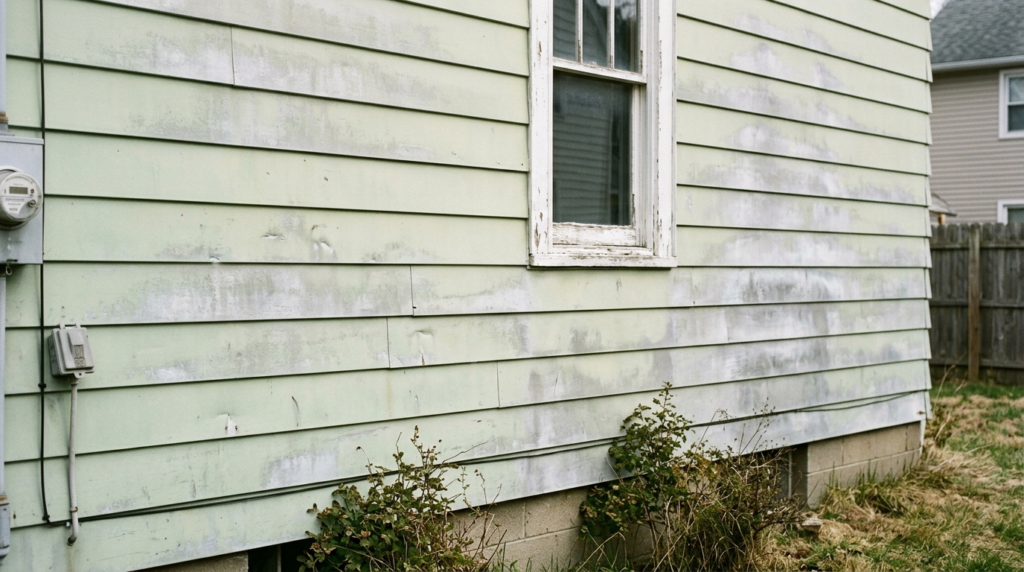
Fading and light chalking are often surface problems. They do not always mean the siding has failed. Paint may be a practical choice when the panels are firm, the seams are stable, and there is no active leak behind them.
Painting is less useful when panels are loose, badly bent, split, or deeply pitted. It is also not a repair for water entering around windows, doors, roofs, gutters, or wall joints. The source of the water must be found first.
A few damaged panels may be repaired or replaced before the rest of the house is painted. Wide damage may change the value of the project. In that case, the homeowner should compare repair, painting, and siding replacement before choosing.
Should Aluminum Siding Be Painted, Repaired, or Replaced?
The right choice depends on the condition of the metal, not only its color.
| Siding condition | Usual next step |
|---|---|
| Faded color with firm panels | Clean, prepare, and consider painting |
| Light chalk on a sound finish | Remove the chalk and test the surface |
| Small dents or a few loose panels | Repair first, then decide about paint |
| Bare metal or small areas of oxidation | Clean, treat, and prime as needed |
| Deep pitting, cracks, or wide panel failure | Compare major repair with replacement |
| Water marks or repeated moisture | Find and fix the leak before painting |
Paint should not be used to hide a problem. A wall can look better for a short time while damage continues below the finish.
This check is even more useful on older houses with many repairs or mixed siding. Our guide to painting older Cleveland homes explains why old trim, joints, and hidden moisture need close review.
What Should Be Checked Before Painting?
The first check should cover the siding, trim, gutters, fascia, caulk, and the areas around windows and doors.
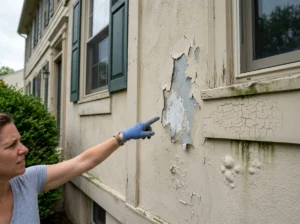
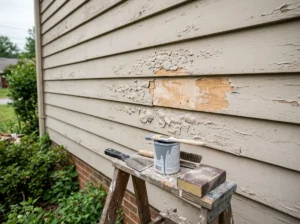
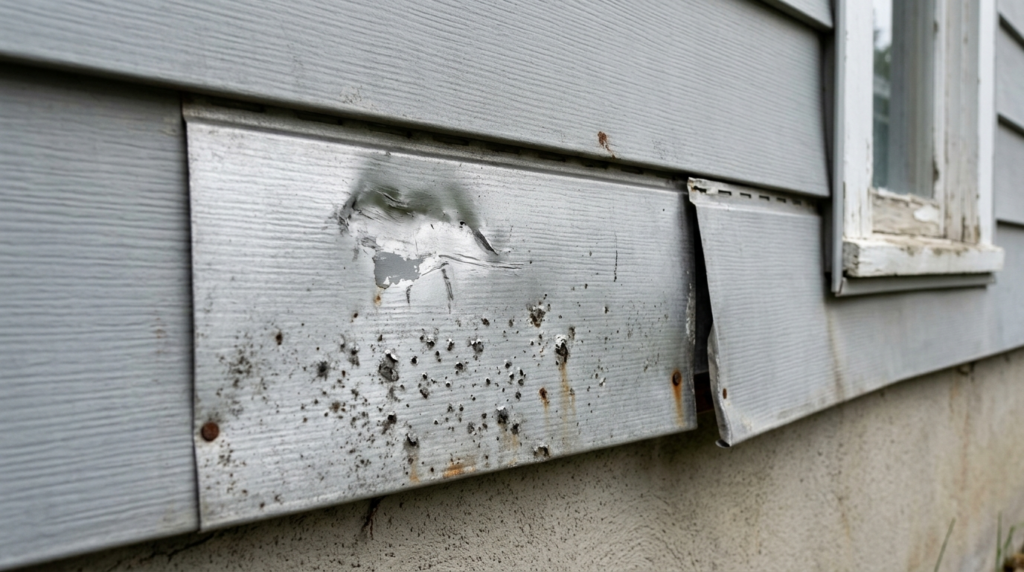
The painter should look for loose panels, dents, open seams, failed caulk, peeling paint, bare metal, and signs of water. Dark marks below gutters or around a window may point to a leak. Paint will not stop that leak.
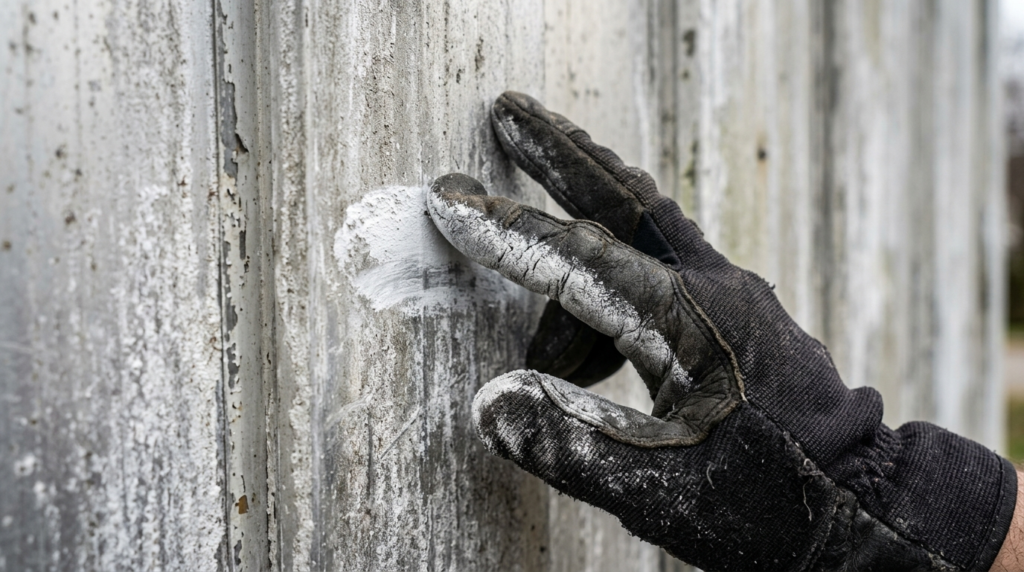
The wall should also be checked for chalking. Chalking is a loose powder that forms as an old coating breaks down. You may see it on your hand after rubbing the siding. New paint may not grip well if that powder stays on the wall.
Oxidation is different from simple dirt. Small exposed areas can often be cleaned and prepared. Deep pitting or wide corrosion needs a closer repair review.
Dents do not always block painting. A small dent may be only a visual issue. A sharp crease, torn edge, or loose panel may need repair or replacement.
How Is Chalking Removed Before Painting?
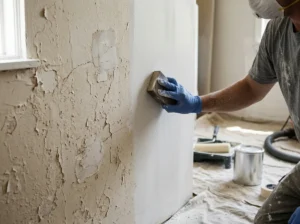
Chalk, dirt, oil, mildew, and loose paint must be removed before a new finish is applied. Cleaning is one of the most important steps in how to paint aluminum siding.
The siding is often washed with a suitable cleaner and then rinsed well. The goal is to remove the loose powder without forcing water behind the panels. Sherwin-Williams advises washing aluminum siding with the correct detergent to remove chalk, oil, and other material before painting.
Strong pressure is not always better. A hard spray can bend thin panels, leave marks, or push water into seams. The cleaning method should fit the condition of the siding.
After washing, the wall must dry. Shaded sides of the house, joints, and areas near trim may stay damp longer than open walls. Painting should wait until the surface is dry and the weather fits the chosen products.
If chalk still comes off after cleaning, the wall may need more work. The painter may need to wash again, use a different cleaner, or choose a primer made for the remaining surface condition.
Is Primer Always Needed on Aluminum Siding?
No. Primer is not always needed over a sound, clean factory finish or an older coating that still holds well.
Primer may be needed on bare metal, repaired spots, pitted areas, or places where the old finish has lost its grip. A bonding or metal primer may also be needed when the paint maker calls for it.
The right primer depends on the surface and the finish coat. Benjamin Moore lists primers made for aluminum and other non-ferrous metals. Its metal-paint guidance also says to use a primer made for the type of metal being coated.
A “paint and primer” label does not remove the need for surface prep. It also does not mean the product can solve every bare or damaged area. The product data sheet should state where a separate primer is needed.
Primer should not be used as a shortcut for poor cleaning. If chalk, grease, or loose paint remains, the new system may still fail.
What Is the Best Paint for Aluminum Siding?
The best paint for aluminum siding is an exterior coating that is approved for prepared aluminum or weathered metal siding. In many cases, this is a 100% acrylic exterior paint.
Several major paint makers list acrylic exterior products for aluminum siding or weathered aluminum. PPG lists exterior acrylic coatings for properly prepared weathered aluminum, while Benjamin Moore lists exterior acrylic paints for aluminum siding.
The exact product should match the old finish, the amount of bare metal, the primer, the weather, and the application method. No single paint is best for every house.
Sheen also matters. A low-lustre or satin finish is common on siding because it gives some washability without showing every small dent. The final choice should fit the panel condition and the look of the home.
Color needs care too. A very dark color can make metal siding hotter in direct sun. Heat may make small waves and dents easier to see. The paint maker should confirm that the color and product are suitable for the surface.
How Is Aluminum Siding Painted?
A sound job follows a clear order. The wall is inspected first, and needed repairs are completed. The siding is then cleaned, loose material is removed, bare spots are treated, and the surface is allowed to dry.
Caulk may be replaced at selected joints around trim, windows, and doors. Drain paths and the bottom edges of siding should not be sealed in a way that traps water.
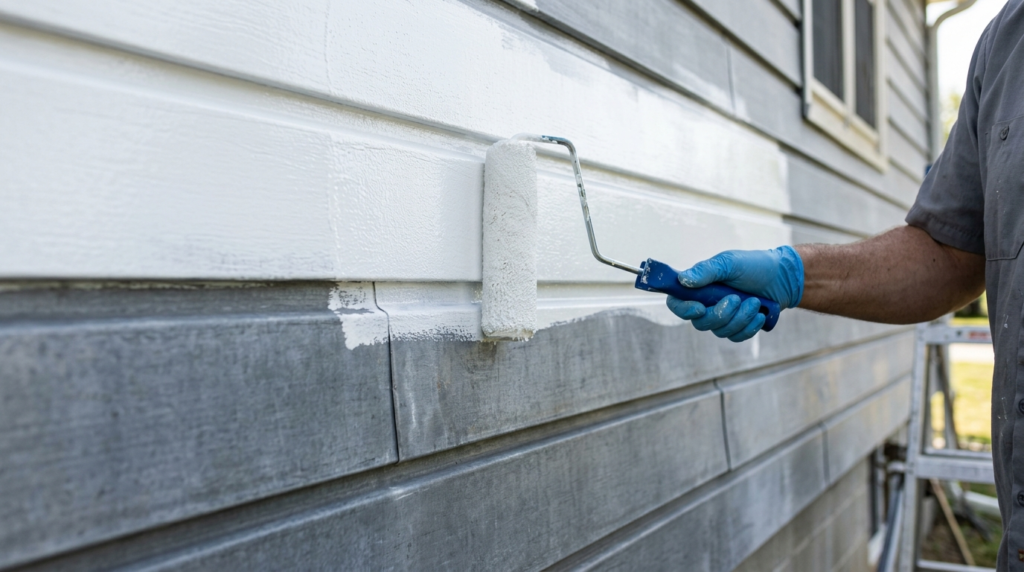
Primer is used where the chosen system calls for it. The finish coat may be sprayed, rolled, brushed, or applied with more than one method.
Spray work can place paint into the long shape of the panels and give an even look. It also needs careful masking and control. Brushing or back-brushing may help work the coating into some edges or rough spots. The method should match the siding, the product, and the wind.
Each coat needs suitable weather and enough drying time. The paint label or product data sheet should control the temperature, recoat time, and rain window.
How Does Cleveland Weather Affect Aluminum Siding Painting?
Cleveland weather can shorten the number of safe painting days. Rain, humid air, cool nights, summer sun, and fast temperature changes can all affect the wall.
National Weather Service climate normals show large changes in Cleveland temperatures and rainfall through the year. This is why the month alone is not enough to set a painting date.
Aluminum can heat up fast in direct sun. The wall may be much hotter than the air. Paint can dry too quickly on a hot panel, which may make it harder to spread and level.
The opposite can happen on a shaded wall. The siding may stay cool and damp after rain or morning dew. The crew should check the surface temperature, not only a weather app.
A dry stretch is needed for washing, repair, primer, and finish coats. Our guide to the best time to paint a house exterior in Cleveland explains how rain, dew, humidity, and overnight lows affect the schedule.
What Affects the Cost to Paint Aluminum Siding?
The cost to paint aluminum siding depends on the size and height of the home, the condition of the panels, the amount of chalk, and the repair work needed.
A low, open wall is easier to reach than a tall home with peaks, porches, tight spaces, or many windows. Access can change the setup, labor, and equipment.
Prep is another major factor. Light washing is different from heavy chalk removal, peeling paint, bare spots, failed caulk, or panel repair. Gutters, fascia, soffits, shutters, doors, and trim may also be added to the scope.
The paint system can affect the quote as well. Primer, number of coats, color change, paint grade, and spray masking all add time or material.
There is no safe fixed Cleveland price without seeing the home. A written estimate should state what is included, which repairs are separate, and how added work will be approved. Our Cleveland house painting cost guide explains how to compare scopes before comparing totals.
How Long Does Painted Aluminum Siding Last?
There is no single repainting lifespan for every home.
The finish may last longer when the siding was clean, dry, and firm before painting. A compatible primer and topcoat also matter. The result may age faster on walls with strong sun, shade, trapped moisture, poor drainage, or wide temperature changes.
Color may fade before the coating loses its grip. Chalking may also return as the finish gets older. These signs do not always mean the siding has failed, but they show that the surface should be checked.
A homeowner can help by keeping gutters working, fixing leaks, and washing dirt from the siding with a gentle method. Scratches, open joints, loose panels, and bare spots should be checked before they grow.
It is better to plan the next coat while most of the finish is still firm. Waiting for wide peeling or deep damage can make the next project harder and more costly.
When Is Professional Exterior Painting a Better Choice?
A small, one-story area with sound siding may look simple. A full house is harder. It may need tall access, spray control, masking, repair work, and close weather planning.
Professional help is useful when the siding has heavy chalk, bare aluminum, loose panels, wide dents, old repairs, or signs of water. It is also useful when nearby roofs, windows, brick, plants, cars, and other surfaces need protection from spray.
Knapp Painting’s professional exterior painting service can assess the siding, explain the prep, and define which repairs should happen before paint is applied.
Homeowners who are also looking at vinyl can read our guide on whether to paint or replace vinyl siding. The repair limits and color rules are not the same for vinyl and aluminum.
Frequently Asked Questions
Can you paint aluminum siding that is chalky?
Yes, when the panels are sound. The chalk must be removed so the new paint can grip the surface.
Is primer always needed?
No. A sound painted finish may not need full primer. Bare metal, repaired areas, pitting, or poor adhesion may need a suitable primer.
What is the best paint for aluminum siding?
Use an exterior paint that the maker approves for aluminum siding or weathered aluminum. A 100% acrylic exterior paint is a common choice.
Can paint fix dents or corrosion?
No. Paint can cover small visual flaws, but it cannot repair sharp dents, split panels, deep pitting, or active corrosion.
Should loose panels be fixed before painting?
Yes. Loose or damaged panels should be secured, repaired, or replaced before the wall is prepared and painted.
How much does aluminum siding painting cost?
The price depends on home size, access, cleaning, repairs, primer, trim, coats, and the paint system. An on-site estimate is the best way to set the scope.
How long will the new finish last?
There is no fixed lifespan. Prep, product choice, sun, moisture, wall direction, repairs, and upkeep all affect when the siding will need another coat.
Decide Whether Your Aluminum Siding Is Ready for Paint
Aluminum siding painting in Cleveland starts with the condition of the panels. Fading and chalk may be good reasons to repaint. Leaks, loose panels, deep corrosion, or wide damage must be handled first.
To review the siding, repairs, preparation, and paint system for your home, request a siding painting estimate.