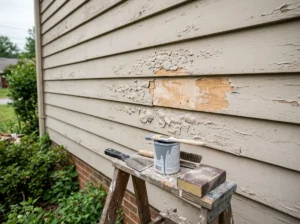

A new coat of paint can make a home feel cleaner, brighter and easier to enjoy. Yet planning house painting in Cleveland involves more than choosing a color. Homeowners also need to think about wall repairs, siding condition, weather, paint type, project timing and the details included in the estimate.
Those choices matter in Cleveland, where homes may have plaster walls, aging trim, older siding or paint that has faced years of rain, snow, moisture and temperature changes. A quick paint job may improve the look for a short time, but it will not solve loose paint, damaged drywall or wet wood.
This guide explains how residential painting in Cleveland should be planned. You will learn what a project can include, what affects the price, how surfaces should be prepared and how to compare painters without relying only on the lowest quote.
What Should You Know Before Starting a Cleveland House Painting Project?
Start with the condition of the surface, not the paint color.
A good residential painting project normally includes an inspection, a written scope of work, surface preparation, paint selection, application, cleanup and a final walkthrough. The exact steps depend on whether you are painting interior rooms, an exterior, trim, ceilings or siding.
Homeowners should also decide what result they need. One room with clean drywall is very different from an older home with cracked plaster, peeling exterior paint and worn wood trim. A detailed plan helps the painter estimate the right amount of labor and materials.
For help with a complete home project, review Knapp Painting’s residential painting services. The service page explains the work offered, while this guide helps you plan and compare your options.
What Does a Residential Painting Project Include?
A professional project should cover more than applying paint. The work usually begins with a close look at the walls, ceilings, trim or siding.
The painter should identify:
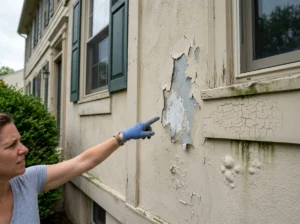
- Peeling or loose paint
- Cracks, holes and dents
- Failed caulk around gaps
- Water stains or damp areas
- Chalky or faded siding
- Uneven repairs
- Glossy surfaces that need sanding
- Bare areas that may need primer
Interior work may include walls, ceilings, baseboards, doors, window trim and built-in features. Exterior work can include siding, shutters, fascia, soffits, doors, trim and other painted surfaces.
A homeowner who needs interior painting in Cleveland can review the company’s interior wall painting service. Exterior planning is covered on the exterior house painting page.
The written estimate should state which surfaces are included. It should also explain what repairs, masking, primer, paint coats and cleanup are part of the project.

How Much Does House Painting in Cleveland Cost?
The cost depends on the amount of work required to create a sound, even finish. Square footage matters, but it is only one part of the estimate.
The main pricing factors include:
Size and layout
A large home normally needs more labor and paint than a small one. High walls, stairwells, detailed trim and hard-to-reach areas can also add time.
Two homes with similar floor space may still have very different costs. One may have open rooms and clean walls. The other may have many doors, windows, built-ins and damaged surfaces.
Condition of the surfaces
Preparation often has a major effect on price. Clean drywall may need only light filling and sanding. Cracked plaster, damaged siding or peeling paint can require far more work before painting begins.
A low quote may leave out repairs, detailed sanding or primer. Ask what the painter plans to do rather than comparing only the final number.
Interior or exterior work
Interior work takes place in a controlled space, but it requires careful protection of floors, furniture and fixtures. Exterior work depends more on access, siding condition and suitable weather.
A two-story exterior, steep ground or detailed woodwork may need more setup than a simple one-story wall.
Paint and coating selection
Different rooms and surfaces may need different products. A bathroom may need a finish suited to regular moisture. Trim may need a harder, smoother coating than a bedroom wall. Exterior paint must match the siding and current surface condition.
Premium products may cost more, but choosing the correct product matters more than selecting the most expensive label.
Number of colors and coats
A major color change may need more work than refreshing a similar shade. Dark-to-light changes, stained areas and porous repairs may need primer or added coats.
The estimate should explain the planned coating system. It should not simply say “paint included.”
For a deeper breakdown of labor, preparation and quote differences, read the house painting cost guide for Cleveland.
What Surface Preparation Should Be Included?
Preparation gives paint a clean and stable base. Skipping it can leave bumps, cracks, stains and weak edges visible through the new finish.
The correct process depends on the surface.
Interior wall preparation
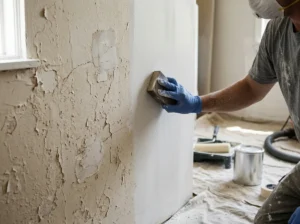
Interior walls may need cleaning, patching, sanding and spot priming. Nail holes and small dents are often simple to repair. Larger cracks or repeated damage may need closer inspection.
Water stains should not be covered until the cause has been found. Painting over an active leak can hide the mark for a short time, but it will not solve the moisture problem.
Homes with damaged walls may need professional drywall repair before painting. The repaired area should be blended, sanded and primed so it does not flash through the finish coat.
Plaster preparation
Older plaster may have fine cracks, loose areas or past repairs that do not match the surrounding wall. A painter should check whether the plaster remains firm before filling cracks.
Some cracks are only on the surface. Others may return if movement or loose plaster is not addressed. The goal is not simply to hide the line. It is to create a stable surface that can hold paint.
Wallpaper and adhesive removal
Painting over loose wallpaper or heavy adhesive can lead to rough texture and weak bonding. The surface may need stripping, washing, repair and primer.
The wallpaper removal and surface preparation service explains the type of work that may be needed before repainting.
Exterior preparation
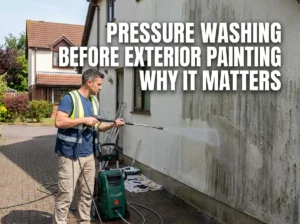
Exterior preparation may include washing, scraping loose paint, sanding rough edges, repairing failed caulk and priming bare areas. Wood should be checked for soft or damaged sections. Metal siding may need cleaning to remove dirt and chalk.
Paint should not be used to seal in active moisture, rot or major structural damage. Those problems should be addressed before the coating system is applied.
How Are Interior and Exterior Painting Different?
Interior painting focuses on appearance, clean lines, washable finishes and protection of the home during the work. Exterior painting must also deal with weather, moisture and changing temperatures.
For residential interior painting in Cleveland, the painter may need to protect floors, move or cover furniture, repair drywall and work around the family’s daily routine. Color and sheen also affect how the room looks under natural and artificial light.
With exterior painting in Cleveland, timing and surface condition become more important. Siding must be dry and clean. Loose paint must be removed, while gaps and exposed areas may need repair or primer.
Exterior work can also change as the project develops. Washing or scraping may reveal damaged boards, failed caulk or hidden repairs. A clear change-order process helps the homeowner understand any added work before it begins.
How Long Does a House Painting Project Take?
The timeline depends on size, preparation, access, drying conditions and the number of surfaces being painted.
A simple room refresh may move quickly when the walls are clean and the new color is close to the old one. A whole-home interior takes longer because each room needs protection, repair, cutting, rolling and cleanup.
Exterior work can take longer when the home has peeling paint, several siding materials or detailed trim. Weather can also pause the schedule. A painter should not apply coatings to a surface that is wet or outside the product’s approved conditions.
Ask the contractor to explain:
- Expected start date
- Approximate project length
- Daily working hours
- Which rooms or elevations come first
- How weather delays will be handled
- How added repairs may change the schedule
- When furniture and rooms can return to normal use
A timeline should be treated as a plan, not an unsupported promise. Good communication matters when repairs or weather change the original schedule.
When Is the Best Time for Exterior Painting in Cleveland?
The best time is a dry period when both the air and the surface meet the paint manufacturer’s requirements.
Many homeowners plan exterior projects during the milder parts of the year. Yet the season alone does not guarantee a suitable painting day. Recent rain, cold overnight conditions, strong heat or damp siding can affect the work.
In Northeast Ohio, the painter should check the forecast as well as the surface itself. A wall that looks dry may still hold moisture near joints, shaded areas or damaged sections.
Interior projects are less dependent on outdoor weather. They can often be planned during colder months when homeowners are spending more time indoors. Ventilation, room use and product choice still need to be considered.
The final schedule should follow the coating instructions and real site conditions rather than a fixed calendar date.
Which House Surfaces Can Be Painted?
Many common home surfaces can be painted when they remain sound and are prepared correctly. Paint cannot restore material that is badly damaged.
Drywall and plaster
Drywall and stable plaster can usually be repaired and repainted. The finish depends heavily on smooth repairs, correct sanding and primer over patched areas.
Ceilings and trim
Ceilings may show stains, cracks or uneven past repairs. Trim often has a harder, smoother finish that may need cleaning and sanding before repainting.
Homeowners planning doors, baseboards, crown molding or ceilings can review the ceiling and trim painting service.
Wood siding
Wood siding can often be repainted when the boards remain firm and dry. Loose paint, open joints and exposed wood need attention first.
Soft wood, deep rot and ongoing water problems may require repair or replacement before painting.
Aluminum siding
Faded aluminum siding may still be suitable for painting. The surface should be checked for chalk, corrosion, dents, loose panels and failed caulk.
The detailed aluminum siding painting guide explains how condition and preparation affect the decision.
Vinyl siding
Some vinyl siding can be painted, but the product, color and siding condition must be suitable. Cracked, loose or badly distorted panels may need repair or replacement instead.
A homeowner comparing both options can read the guide on painting or replacing old siding.
Older painted surfaces
Older Cleveland homes may have several layers of paint, plaster, detailed woodwork or mixed siding. These surfaces need a closer inspection because the new paint will depend on the strength of the layers below it.
The older Cleveland home painting guide covers plaster, wood siding, peeling paint and repair decisions in more depth.
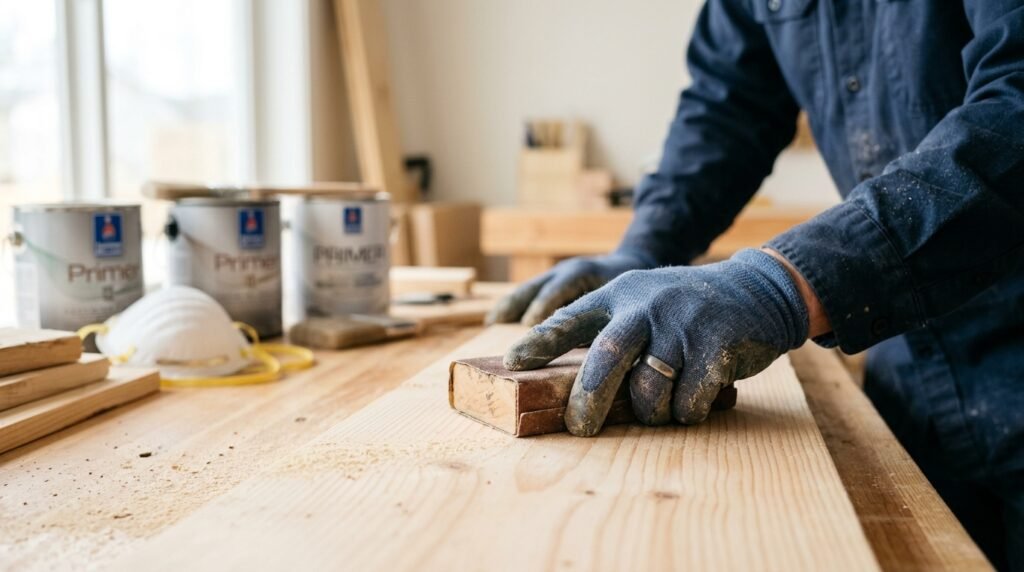
What Should Homeowners Know About Lead-Safe Painting?
Homes built before 1978 may contain lead-based paint. Disturbing old painted surfaces through scraping, sanding or repair can create harmful dust.
Homeowners should ask how a contractor will inspect the surface, contain the work area, control dust and complete cleanup. The EPA’s Renovation, Repair and Painting program requires applicable paid work in pre-1978 homes to follow lead-safe rules, including firm and worker certification in covered situations.
Do not assume every old painted surface contains lead, but do not ignore the possibility either. The correct approach depends on the age of the home, the surface, testing and the amount of paint that will be disturbed.
This section is general guidance. The contractor should explain the requirements that apply to the specific project.
How Do You Choose Paint, Primer and Finish?
Choose products based on the surface and room, not only the color card.
When is primer needed?
Primer may be useful on bare material, repairs, stains, porous surfaces or areas where the existing finish may affect bonding. It can also help create a more even base during a major color change.
Not every sound painted surface needs a full coat of primer. The painter should explain why primer is or is not included.
Which finish works best?
Flat or matte finishes can reduce the look of small surface flaws, but they may not suit every high-use area. Finishes with more sheen are often easier to clean, yet they can show uneven repairs or texture more clearly.
The right choice depends on the room, light, traffic and surface condition.
How many coats are needed?
There is no single answer for every project. The number of coats depends on the old color, new color, product, surface and primer plan.
A written estimate should state the coating approach and explain how strong color changes or problem areas will be handled.
What are low-VOC coatings?
Low-VOC products can help reduce strong paint odors and emissions during interior work. Product performance and application needs still vary, so the painter should select a coating that fits the room and surface.
How Should You Compare Cleveland House Painters?
Compare the work plan, not just the total price.
Several Cleveland house painters may look similar online, yet their estimates can include very different levels of preparation and protection.
A useful written estimate should identify:
- Surfaces being painted
- Areas excluded from the work
- Cleaning and preparation
- Repairs and caulking
- Primer requirements
- Paint manufacturer and product line
- Planned coats
- Furniture and floor protection
- Start and completion expectations
- Cleanup and disposal
- Payment schedule
- Process for added repairs
- Warranty terms, when offered
Ask who will complete the work and who will supervise the project. Find out how the crew will enter the home, store materials and protect children, pets and occupied rooms.
When comparing house painters in Cleveland, also look for clear answers. A contractor should be able to explain why a repair, primer or product is needed in simple terms.
The cheapest quote is not always incomplete, and the highest quote is not always the best. The strongest proposal is the one that clearly connects the price to the work being performed.
Which Warning Signs Should Homeowners Watch For?
Be cautious when the estimate is vague or the contractor avoids basic questions.
Warning signs can include:
- No written scope
- No clear surface-preparation plan
- Unclear product information
- A large price difference with no explanation
- Pressure to decide at once
- No process for repairs found during the project
- Promises that ignore weather or surface condition
- A request for full payment before work begins
- No discussion of cleanup
- No explanation of insurance or worker access
Homeowners should also be careful with claims such as “the best paint,” “no preparation needed” or “guaranteed to last” when no conditions are explained.
A reliable painter should be comfortable discussing limits. Paint cannot repair rotten wood, stop an active leak or make loose material stable.
How Can You Prepare Your Home Before Painters Arrive?
Start by confirming what the crew will move and what the homeowner should handle.
For interior work:
- Remove small decorations and valuables
- Clear shelves where possible
- Take pictures off the walls
- Make a plan for pets
- Provide access to the work area
- Point out stains, cracks or past repairs
- Confirm where furniture will be moved
- Discuss alarm systems and entry instructions
For exterior work:
- Move vehicles away from the work area
- Trim plants only when needed for access
- Secure pets and open gates
- Remove fragile items near the house
- Explain known leaks or siding repairs
- Make exterior outlets and water access available when agreed
Do not complete repairs unless they are part of your plan. A quick homeowner patch can create more work when it does not match the surrounding texture.
What Local Conditions Matter in Cleveland and Cuyahoga County?
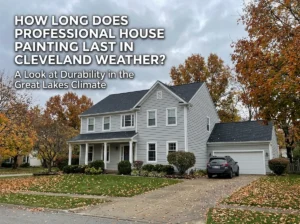
Homes across Cuyahoga County differ in age, building style and surface material. One property may have newer drywall and vinyl siding. Another may have plaster, detailed wood trim, brick features and several generations of exterior paint.
Moisture is an important part of exterior planning. Failed caulk, blocked gutters and damaged trim can allow water to affect the surface beneath the paint. Those causes should be corrected before a new coating is expected to perform well.
Seasonal temperature changes can also expose weak paint edges and open joints. Regular inspections help homeowners find peeling, cracking or soft wood before the damage spreads.
Local experience is useful when it leads to better inspection and planning. It should not be used as a reason to force the city name into every part of the article.
Should You Paint the Home Yourself or Hire a Painter?
DIY painting can make sense for a small, simple area when the surface is sound and the homeowner has enough time.
Professional help becomes more useful when the project involves:
- High walls or exterior access
- Large areas
- Detailed trim
- Major surface repairs
- Peeling exterior paint
- Older painted surfaces
- Spray application
- Several rooms that must remain usable
- Tight completion needs
The main question is not whether a homeowner can hold a brush or roller. It is whether they can inspect, prepare, protect and finish the full surface safely and consistently.
A small project can be a practical DIY task. A complex project may cost more to correct when weak preparation or the wrong product causes problems.
Plan House Painting in Cleveland With a Clear Scope
A good paint job starts before the first can is opened. Homeowners should inspect the surface, define the rooms or exterior areas, understand the preparation and compare written estimates carefully.
For house painting in Cleveland, Ohio, local weather and older building materials can add extra planning. Drywall, plaster, wood, aluminum and vinyl each need a different approach. The right process should protect the home while creating the finish you want.
Knapp Painting provides interior and exterior residential work across the Cleveland area. Review the residential painting service or request a project estimate when you are ready to discuss your home.
Frequently Asked Questions
The price depends on home size, surface condition, access, repairs, paint selection and the project scope. A written on-site estimate is more useful than a general price because it explains the labor and preparation included.
Preparation may include cleaning, patching, sanding, caulking, scraping loose paint and priming bare or repaired areas. The exact steps should be listed in the estimate.
A small interior project may move faster than a whole-home or exterior project. Preparation, drying conditions, access, weather and added repairs all affect the timeline.
Exterior painting should be planned for dry conditions that meet the coating manufacturer’s temperature and moisture requirements. Mild seasons often provide more suitable working days, but the actual surface conditions matter most.
Sound wood, aluminum and some vinyl siding may be paintable. Rot, deep cracks, loose panels, holes or hidden water damage may require repair or replacement first.
Compare the written scope, preparation, products, planned coats, protection, cleanup and payment terms. Do not judge the estimates only by their final price.
Many residential painters handle small wall repairs, while larger drywall or plaster problems may need separate work. The estimate should clearly state which repairs are included.
You can request an estimate before choosing the final color. However, tell the painter if you expect a major color change, several accent colors or special finishes because those choices may affect the work.