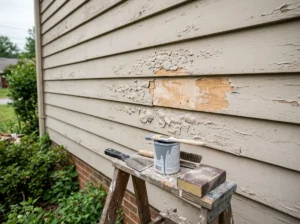
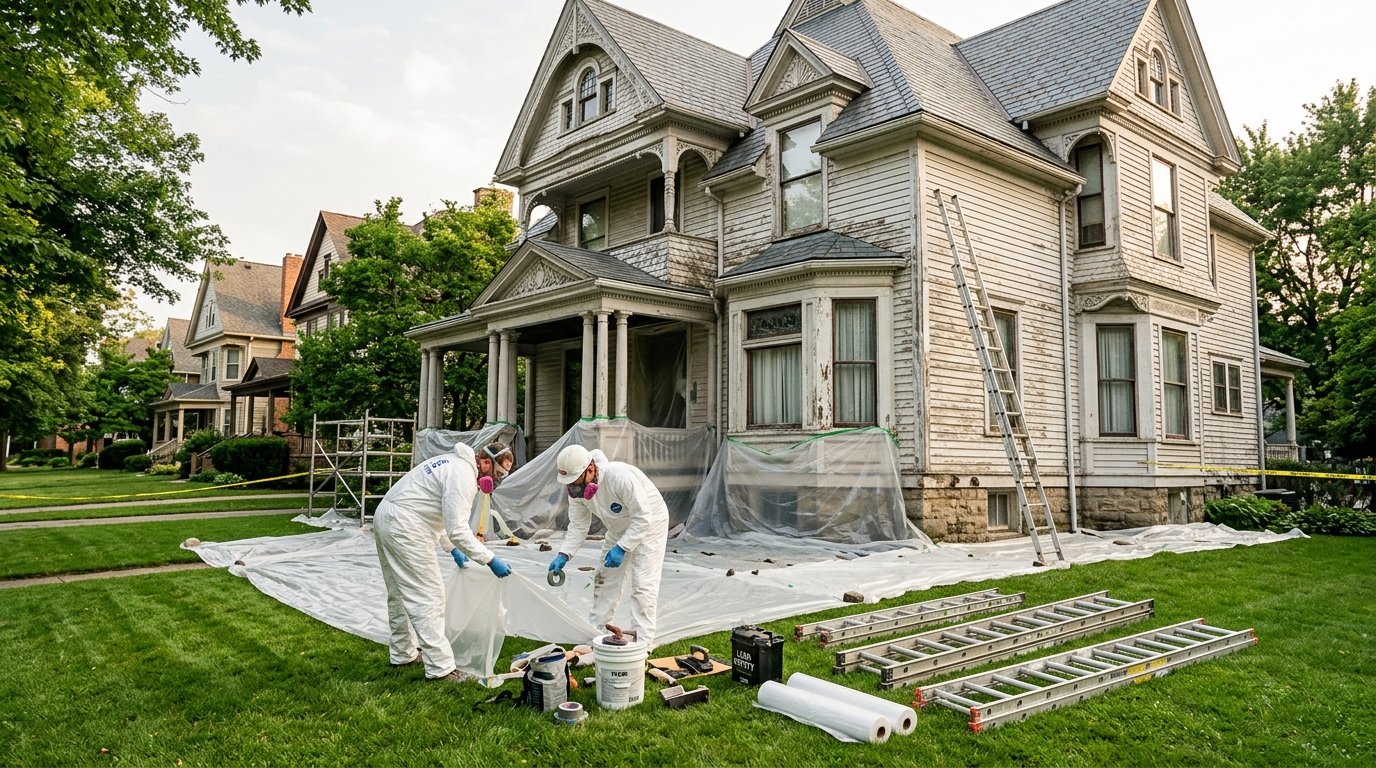
Old house painting should begin with a close check of the walls, siding, trim, and old paint. Fresh paint cannot hold loose plaster together, dry wet wood, or repair peeling layers below it. Older homes may also contain lead-based paint, so any scraping, sanding, or repair work must be planned with care.
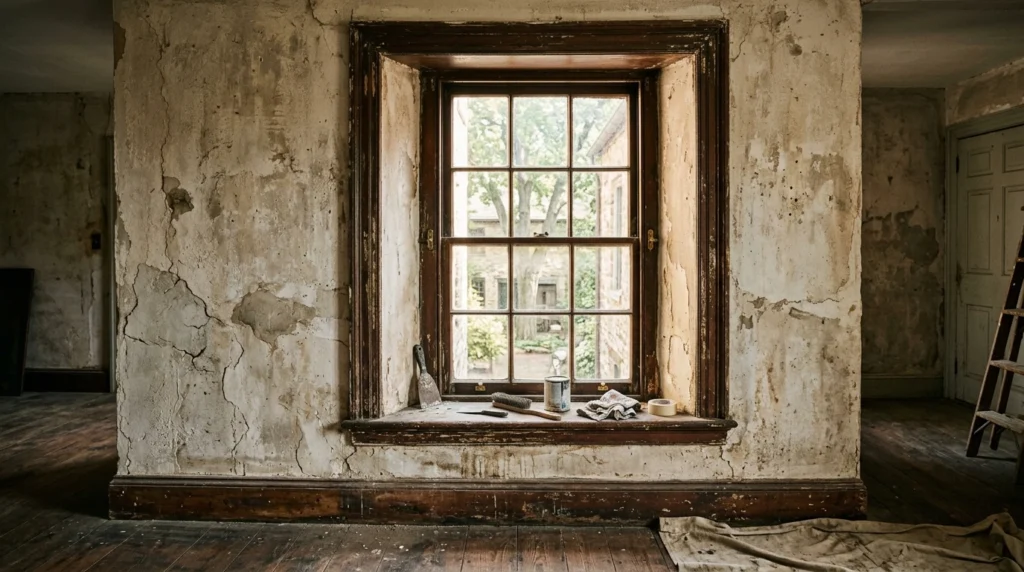
Many older Cleveland homes have plaster walls, wood trim, clapboard siding, and several layers of paint. These features give the house character, but they can make a repaint more complex.
A crack may come from normal age, loose plaster, or movement inside the wall. Peeling siding may point to weak paint, trapped moisture, or a leak. This guide explains how to find the cause before choosing repairs, primer, and paint.
For help planning the whole project, read our Cleveland house painting guide.
Why Do Older Homes Need More Paint Preparation?
Older surfaces have had more time to move, wear, absorb moisture, and collect paint layers. Some old layers may still hold well. Others may be brittle, chalky, or loose.
New paint only holds as well as the surface below it. When weak paint stays in place, the new coating may peel away with the old layer.
Age can also hide damage. A ceiling stain may come from an old roof leak. Soft trim may point to water near a window. A long plaster crack may show movement behind the wall.
Good preparation is not only about making the surface smooth. It helps find the cause of the damage before paint hides the warning signs.
The work should begin with three questions:
- Is the surface firm?
- Is it dry?
- Is the old coating holding well?
If the answer to any of these questions is no, repairs may be needed before painting.
How Should Old Plaster Walls Be Checked?
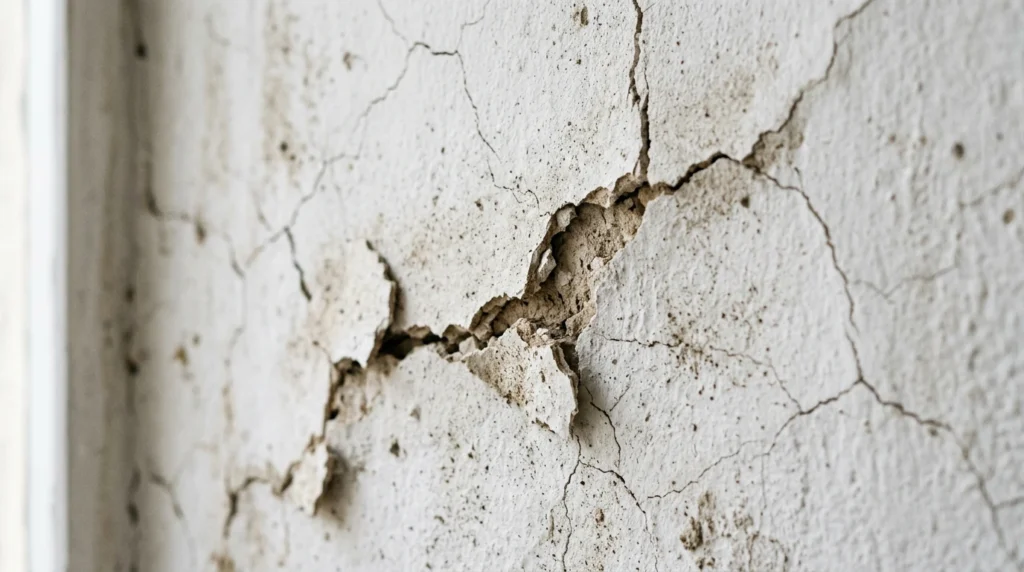
Old plaster should be checked for cracks, loose areas, stains, powder, and paint that no longer holds well.
Plaster is often placed over wood or metal lath. A small surface crack may only need a simple repair. A wall that feels loose, moves when pressed, or sounds hollow may need more work.
Brown or yellow stains can point to an old leak. The water source should be fixed before the stain is sealed and painted. Painting a damp wall may trap the problem or allow the mark to return.
The old paint also needs review. Some walls have many layers with poor bonds between them. Other walls may have old wallpaper glue, glossy enamel, or a soft coating that reacts when washed.
A small test area can help show how the surface responds to cleaning, sanding, primer, and paint.
How Are Old Plaster Walls Prepared for Painting?
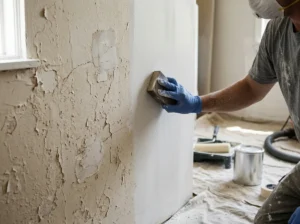
Painting plaster walls starts with a firm, clean, and dry surface. Loose paint must be removed without causing more damage. Cracks and holes should then be repaired with material that fits the type and depth of the problem.
The wall is usually cleaned first. Grease, dust, smoke marks, and loose powder can block paint from gripping the surface.
Loose edges may need light scraping or sanding. Deep sanding is not always the right answer. It can damage the plaster and may create unsafe dust when old paint is present.
Small cracks can often be opened enough to remove loose material and then filled. Wide cracks, repeated cracks, bulges, or loose plaster may need a more complete repair before finish work begins.
When old remodeling has added drywall beside the plaster, the two surfaces may need different repair steps. Knapp Painting’s drywall repair services describe patching and surface work for drywall areas. Loose or failing plaster may require a plaster repair method rather than normal drywall compound.
Can You Paint Over Old Plaster Walls?
Yes, when the plaster and old coating are firm. Painting over plaster walls without checking them first can lead to peeling, cracks, or an uneven finish.
The wall should not feel soft or powdery. Loose paint should not remain under the new coating. Any active moisture problem should already be repaired.
Glossy paint may need cleaning and dulling so the next coat can grip. Bare repair areas may need primer so they do not absorb paint in a different way from the rest of the wall.
The wall may also need full primer when the surface has several patch types, stains, or uneven absorption. The goal is to create one stable base for the finish paint.
Paint should not be used to hold loose plaster in place. If the wall moves or large areas have pulled away from the lath, repair comes first.
What Is Calcimine, and Why Can It Cause Peeling?
Some older ceilings and walls may have a soft, water-sensitive coating under later paint layers. Calcimine is one possible old coating, but not every powdery wall contains it.
A weak layer may soften when wet or release from the surface when new paint is applied. This can cause wide peeling even when the newest paint looks sound at first.
Homeowners should not try to identify an old coating by appearance alone. A test area can show whether the surface becomes soft, chalky, or unstable during cleaning.
When the base layer is weak, normal primer may not solve the problem. The old coating may need to be removed or sealed with a system approved for that surface.
This is one reason painting old plaster walls often needs more testing than painting modern drywall.
Can Peeling Paint Be Painted Over?
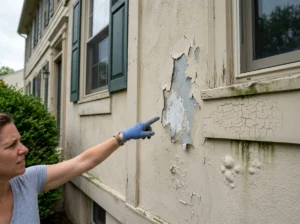
No. Loose paint must be removed back to a firm edge before the area is repaired and primed.
Painting over peeling areas may make the wall look better for a short time. The weak layer will still remain below the new finish. When it releases, both the old and new paint can come away.
The cause of peeling should also be found. Inside the home, common causes include water leaks, high moisture, poor surface cleaning, glossy paint, or weak plaster.
Outside, peeling may come from wet wood, failed caulk, roof or gutter problems, or moisture moving through the wall. Sherwin-Williams notes that wet exterior wood can swell and cause the paint film to loosen, crack, and fall away.
The repair should deal with both the loose coating and the source of the problem.
What Primer Works Best on Old Plaster?
There is no single best paint primer for plaster walls. The right primer depends on the condition of the plaster and the old paint.
A basic plaster or drywall primer may work on firm, cured repairs. A bonding primer may be better on a hard or glossy surface. A stain-blocking primer may be needed after the cause of a water, smoke, or tannin stain has been fixed.
Powdery or weak plaster needs more than a standard primer. The surface must first be made firm enough to accept the coating.
Sherwin-Williams advises that plaster should be clean, dry, and hard before primer and paint are added. Its guidance also treats soft or powdery plaster as a special surface that needs added preparation.
The primer and finish paint should be chosen as one system. Product instructions should guide the cure time, surface prep, and recoat time.
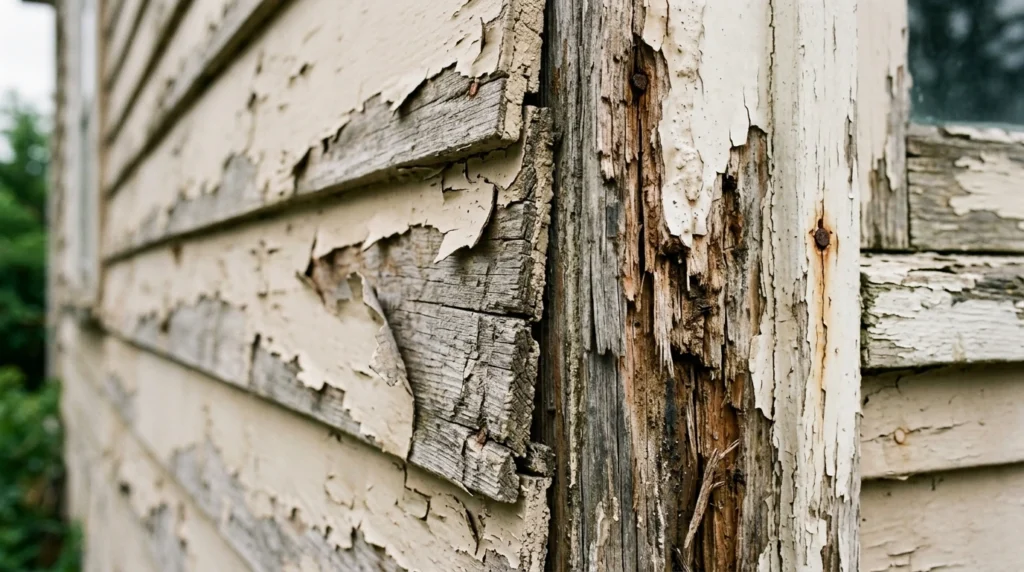
When Does Wood Siding Need Repair Instead of Paint?
Wood siding can often be painted again when the boards are dry, firm, and still attached well. Paint is not a repair for rot, deep splits, open joints, or water entering behind the siding.
A painter should check the lower edges of boards, window trim, roof lines, gutters, corners, and areas close to porches. These places often receive more water.
Soft wood should be checked before it is filled or painted. A small damaged area may be repaired. Wide rot or repeated failure may need board replacement and a closer review of the wall behind it.
Loose clapboards should be secured before prep begins. Open joints may need repair or caulk, but the siding should not be sealed in a way that traps water.
The goal of exterior wood siding painting preparation is to create a dry and firm surface. It is not to cover damage.
Homes with wide siding failure may need a repair plan before painting. Knapp Painting’s exterior house painting services can help define the surface prep and identify areas that need separate repair.
How Is Old Wood Siding Prepared?
Preparation depends on the wood, the old coating, and the amount of damage.
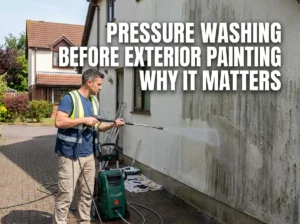
The siding is first checked for leaks, rot, loose boards, peeling paint, and failed caulk. Dirt and mildew are then removed with a method that does not force water behind the siding.
Loose paint must be removed to a firm edge. Rough edges may need sanding so they do not show through the new finish. Bare wood should be dry before primer is applied.
Some woods, including cedar, can release tannins that stain light paint. A suitable stain-blocking wood primer may be needed on bare or repaired areas. Benjamin Moore lists exterior primers made for tannin-rich wood and weathered siding.
Paint cannot stop moisture that is entering from the roof, gutter, window, or wall. Those problems should be corrected first.
How Does Moisture Affect Older Homes?
Moisture can harm both interior plaster and exterior wood.
Inside, water may leave stains, soften plaster, loosen paint, or damage lath. The source may be a roof leak, plumbing problem, window leak, or moisture from a bathroom or kitchen.
Outside, old wood can take in water through open joints, bare end grain, failed caulk, and damaged paint. When wet wood swells, the paint may crack or peel.
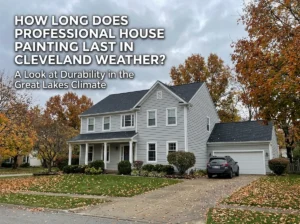
Cleveland’s rain, snow, and freeze-thaw changes can place more stress on older exterior materials. Water that enters a small opening may freeze, expand, and make the gap larger.
Before painting, check gutters, downspouts, roof edges, flashing, window trim, siding joints, and the ground near the wall. Paint should begin after the water source is fixed and the material has dried.
A moisture meter may help during the inspection. The product data sheet should guide how dry the wood or masonry must be before coating.
How Should Lead-Paint Risks Be Handled?
Homes built before 1978 may contain lead-based paint. The safest plan is to assume old paint may contain lead unless testing shows otherwise.
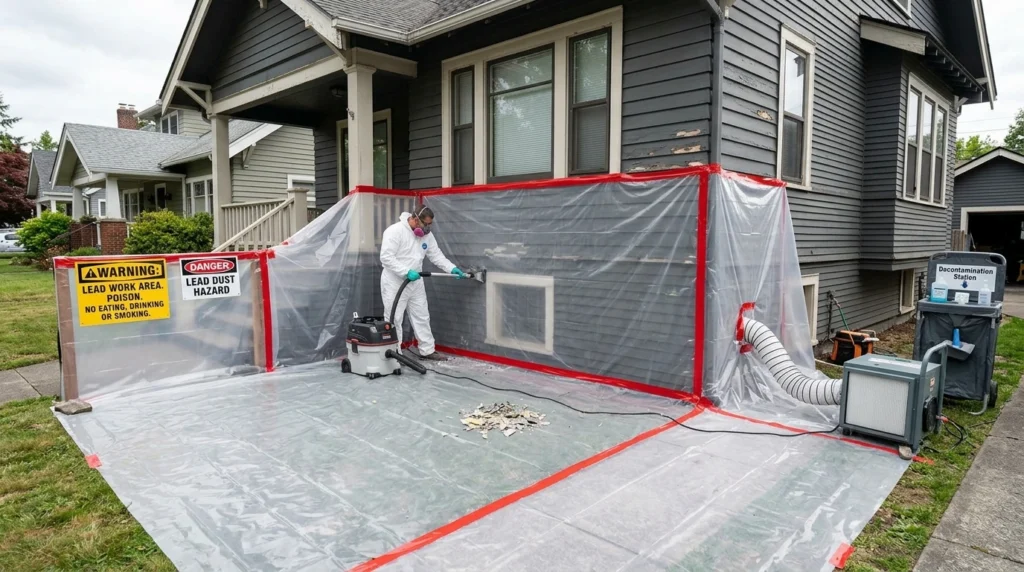
Lead dust can be created when painted surfaces are scraped, sanded, drilled, cut, or repaired. The risk comes from disturbing the paint, not only from adding a new finish coat.
EPA’s Renovation, Repair and Painting Rule generally requires firms and people who are paid to disturb paint in pre-1978 homes to hold the required certification and follow lead-safe work practices.
Lead-safe planning may include setting up containment, keeping people away from the work zone, reducing dust, controlling debris, using proper cleanup methods, and checking the area after cleaning. EPA guidance stresses containment, dust control, HEPA vacuuming, wet cleaning, and safe waste handling.
Homeowners should ask whether the rule applies to the planned work. They should also verify the firm and renovator certifications when certification is required.
This article does not state that Knapp Painting holds EPA RRP certification. That status must be confirmed before any covered work is offered or assigned.
How Does Cleveland Weather Affect Old Wood Siding?
Older wood siding needs a dry weather window for washing, repair, primer, and paint.
A warm day is not enough if the wood is still wet from rain. Shaded walls may hold moisture longer than sunny walls. Morning dew and cool nights can also shorten the workday.
Hot direct sun can make a wall difficult to paint. Cool fall nights may slow drying. Rain that arrives too soon may mark or weaken a fresh coating.
Our guide to the best time to paint a house exterior in Cleveland explains how surface temperature, rain, dew, humidity, and overnight lows affect the schedule.
The exact paint and primer data sheets should make the final decision. Different products have different weather limits.
What Should an Older-Home Painting Estimate Include?
A useful estimate should separate painting from repair work.
It should name the rooms, walls, ceilings, trim, siding, and exterior details that are included. It should also explain cleaning, scraping, sanding, patching, caulk, primer, finish coats, protection, and cleanup.
Plaster repair should not be hidden under a broad line such as “wall prep.” The quote should say which cracks and loose areas are included.
The exterior scope should state how rotten wood, loose siding, failed caulk, and water damage will be handled. It should also explain which repairs require a separate price or another trade.
For a pre-1978 home, the estimate should address how lead-paint rules will be checked and followed when the work disturbs old coatings.
Our Cleveland house painting cost guide explains how to compare prep, repairs, coats, and exclusions before comparing the final price.
Homes with cracked walls, peeling siding, or several old paint layers often need an on-site review. Knapp Painting’s residential painting services can help define the painting scope after the surfaces have been checked.
Frequently Asked Questions
How should old plaster walls be prepared before painting?
The wall should be checked for loose plaster, cracks, stains, powder, and weak paint. Repairs, cleaning, sanding, and primer should match the condition of the surface.
Can old peeling paint be painted over?
No. Loose paint should be removed to a firm edge. The cause of the peeling should also be fixed before primer and paint are added.
Is primer always needed on plaster?
Not always. Bare repairs, stains, glossy surfaces, and uneven areas may need primer. The correct product depends on the wall and old coating.
When should wood siding be replaced instead of painted?
Replace or repair wood that is rotten, deeply split, loose, or allowing water into the wall. Paint cannot restore failed boards.
Do all pre-1978 homes contain lead paint?
No, but they may. EPA recommends assuming lead-based paint may be present unless testing shows otherwise.
Can any painter work on lead paint?
Paid work that disturbs paint in covered pre-1978 homes generally falls under EPA RRP requirements. Homeowners should verify the firm and renovator certifications when the rule applies.
What should an old-house painting quote include?
It should list surface repairs, preparation, primer, coats, protection, cleanup, exclusions, and the plan for possible lead-paint work.
Plan the Repairs Before Choosing the Paint
A sound old house painting project protects the parts that give the home its character. Cracked plaster, wet wood, loose paint, and failed siding should be checked before colors and finish coats are chosen.
To plan an interior or exterior project for an older Cleveland home, contact Knapp Painting to request an on-site assessment.