A forklift makes the same tight turn at the end of an aisle hundreds of times a week. Over time, bare concrete in that spot starts to dust and pit. Hydraulic fluid soaks in and leaves stains that never fully scrub out. Constant cleaning only wears the surface down faster. Industrial floor coatings give suitable concrete a protective layer built for that kind of daily abuse. They pay off when the right system goes over properly prepared concrete and matches the real working conditions. This guide explains the main coating types and where each one fits. You will also learn the realistic benefits and how to choose a system. Preparation gets its own section because it shapes the final result.
What Are Industrial Floor Coatings?
Industrial floor coatings are resin systems that bond to concrete and cure into a hard, continuous surface. Some go on as thin films, while others are thick, troweled systems.
How Industrial Floor Coating Systems Protect Concrete
Bare concrete is porous and fairly soft on top, so traffic grinds it into dust while spills soak in. A suitable coating seals the surface and takes that wear instead. That can limit dusting and staining along with some chemical damage. Results depend on the product and concrete condition plus installation quality.
Industrial Coatings vs. Uncoated Concrete
Uncoated concrete soaks up oil and coolant, and mopping often pushes grime deeper. A coated floor keeps most spills on top until someone wipes them away. Coatings will not fix structural cracks or a failing slab, which need proper repair first.
Types of Industrial Floor Coatings and Their Best Uses
Each coating chemistry handles wear and exposure in its own way. Systems also differ in cure speed and installation demands.
Epoxy Floor Coatings
Epoxy bonds strongly to properly prepared concrete and cures hard enough for foot traffic and many forklift routes. Its smooth finish cleans easily, so it is common in warehouses and manufacturing areas. Many epoxies yellow in sunlight without a UV-stable topcoat.
Polyurethane Floor Coatings
Polyurethane resists abrasion and scuffing and usually flexes more than epoxy. Many aliphatic versions also hold their color better in sunlight. It often serves as a topcoat over an epoxy base designed to work with it.
Polyaspartic and Polyurea Coatings
Many polyaspartic and polyurea products cure fast enough to shorten downtime noticeably. That speed also leaves the crew less working time. Moisture tolerance and installation requirements vary by product, so the data sheet sets the rules.
Urethane Cement Flooring Systems
Urethane cement blends resin with cement and aggregate into a thick, tough floor. It handles thermal shock from hot washdowns well, and many products tolerate more slab moisture than standard epoxies. Food plants commonly use it, though suitability still varies by site.
Acrylic Coatings and Sealers
Acrylic coatings and sealers handle light-duty sealing and dust control in low-traffic rooms. Expect fast wear under heavy equipment, and keep them away from aggressive chemicals.
Where Are Industrial Floor Coatings Used?
The work done in a building decides what its floor must survive.
Warehouses and Distribution Centers
Forklift routes and dock areas take the worst beating in a warehouse. Pallets get dragged and dropped while tight turns scuff the same spots every shift. Warehouse floor coatings must resist that wear and still clean up easily.
Manufacturing Plants and Workshops
Manufacturing floors deal with moving equipment and dropped tools along with oils and coolants. A machine shop fights cutting fluids and chips, while an assembly area may care more about marked work zones.
Food Processing and Wet Work Areas
Wet areas face constant moisture and frequent washdowns with strong cleaning agents. These floors need dependable traction and a surface that supports the hygiene program. The system must suit the actual temperatures and chemicals in that room.
Laboratories, Service Areas, and Other Industrial Spaces
Labs may see small spills of acids or solvents, while service bays deal with fuel and brake fluid. Clean spaces benefit from a seamless floor coating without joints that trap dirt.
Key Benefits of Industrial Floor Coatings
A suitable coating system can improve how a concrete floor performs in daily use. Results still depend on the product, preparation, and maintenance.
Better Abrasion and Impact Resistance
A coating absorbs wear from foot traffic and forklifts that would otherwise grind down the concrete. Thicker systems generally handle dropped objects better. Worn lanes can often be recoated instead of resurfaced.
Chemical and Moisture Protection
A compatible coating keeps many spills out of the slab. No coating resists every chemical, and concentration and contact time both matter. Coatings also cannot solve a slab moisture problem, since rising vapor can still cause blistering.
Improved Slip Resistance and Workplace Safety
Anti-slip aggregate or added texture can create a slip-resistant surface in wet or oily areas. Too little grip raises fall risk, while too much makes cleaning harder.
Easier Cleaning and Lower Maintenance Demands
Coated floors stop the dusting that bare concrete produces, and spills stay on top. The floor still needs care because harsh cleaners can dull some coatings.
Longer-Lasting Concrete and Better Facility Appearance
Protecting the surface helps the concrete last longer and look more uniform. Planned colors and line striping can also mark walkways and forklift lanes.
How to Choose the Right Industrial Floor Coating System
The right choice depends on how the floor will be used, not on a product name or the lowest bid.
Evaluate Traffic, Equipment, and Abrasion
Pedestrian areas need far less protection than forklift aisles or machinery zones. Existing wear patterns show which lanes may need a thicker system.
Identify Chemical Exposure and Moisture Conditions
List every substance that reaches the floor, from oils and fuels to cleaning agents. Check that list against the manufacturer’s chemical resistance data. Have the slab tested for moisture early, since high readings can rule out some products.
Consider Slip Resistance and Cleaning Requirements
Wet or oily areas usually need more texture than dry storage zones. That texture has to work with your cleaning method and sanitation needs. Good drainage also helps any finish perform better.
Compare Coating Thickness, Cure Time, and Downtime
Thin-film coatings generally suit lighter duty, while thicker or multi-layer systems often go into harsher conditions. What matters most is applying the specified coating thickness and respecting the cure schedule. Temperature and humidity can stretch that schedule.
Plan for Long-Term Maintenance
Every coated floor wears out eventually. Ask how the system should be cleaned and inspected, and what recoating involves later on.
Why Concrete Surface Preparation Matters
Even a high-performance coating can fail over weak or damp concrete. Many peeling and blistering problems trace back to the slab rather than the product.
Inspect and Repair the Existing Concrete
Walk the slab and mark cracks and spalls along with weak or oil-soaked areas. Each defect needs proper assessment and repair before coating. Moving cracks often show through a new coating, so they may need professional evaluation.
Grind and Prepare the Surface
A floor grinder with diamond tooling removes weak surface material and creates the profile the coating needs to grip. Crews then vacuum thoroughly because leftover dust weakens the bond.
Check Moisture and Confirm Compatibility
Moisture rising through concrete can push a coating off from below. Testing shows whether the slab is ready or needs a moisture-mitigating primer. The concrete primer must also be compatible with every layer above it.
Apply the Coating and Allow It to Cure
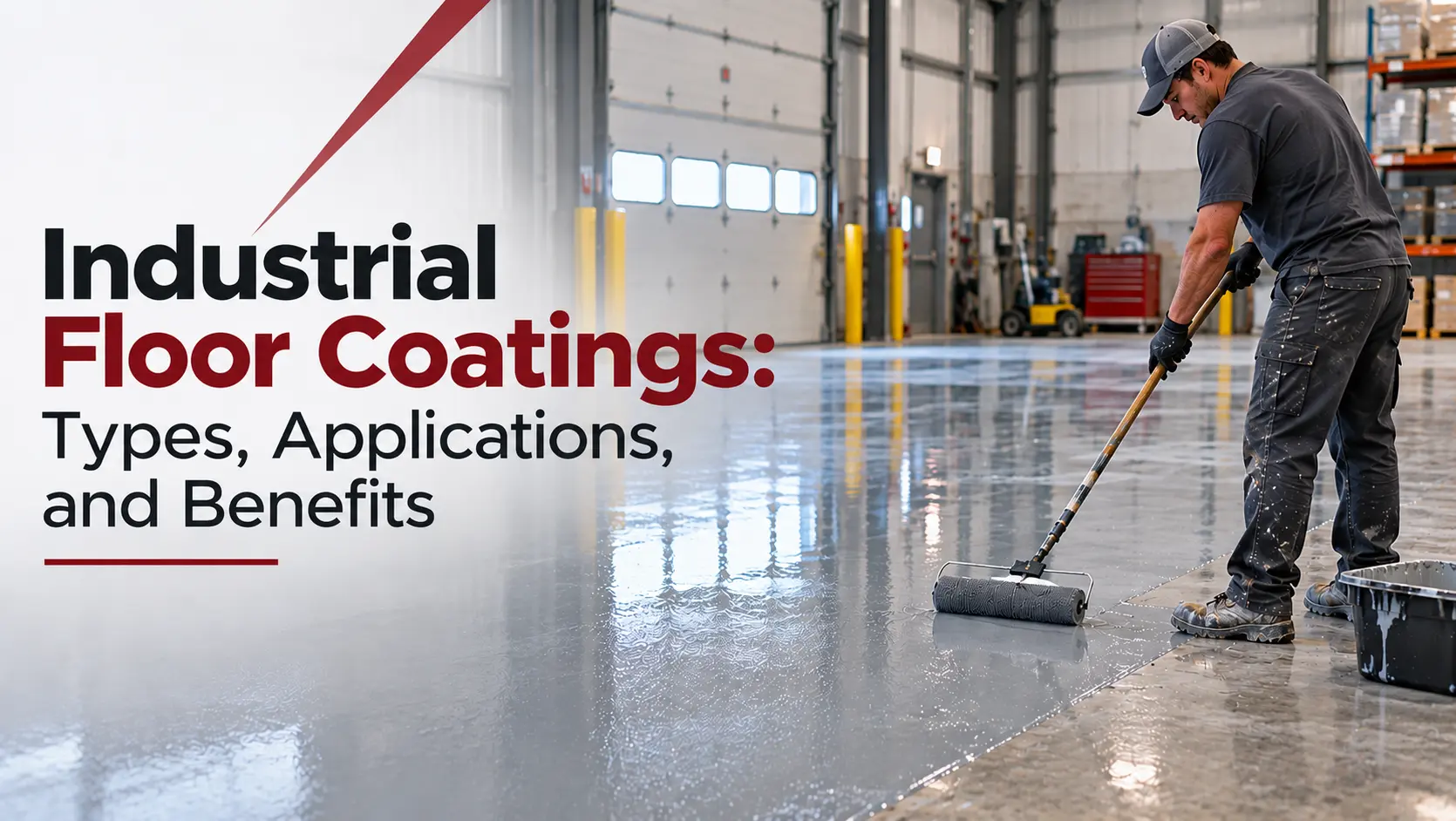
Crews mix the coating system according to its instructions and apply it at the required thickness with a squeegee or coating roller. The floor then needs its full cure period before forklifts return.
Common Mistakes to Avoid When Selecting Industrial Floor Coatings
Many coating failures start with choosing a system before checking how the facility really operates.
- Choosing by price alone. A cheap system can cost more if it wears out early.
- Skipping the slab assessment. Moisture or contamination can undermine any coating.
- Assuming all products match. Two epoxies or polyurethanes can perform very differently.
- Ignoring traction. Wet or oily areas need slip resistance built in.
- Rushing back into service. Early traffic can damage an uncured coating.
- Forgetting maintenance. Floors without a cleaning and inspection plan decline faster.
Frequently Asked Questions
Here are quick answers to three questions facility managers often ask.
What Is the Best Coating for Industrial Concrete Floors?
No single coating is best for every industrial floor. The right system depends on traffic and chemical exposure. Slab moisture and temperature swings matter too, along with safety needs and concrete condition.
How Long Do Industrial Floor Coatings Last?
Service life varies, and no single figure fits every floor. Formulation and preparation matter, along with installation quality. Traffic levels and maintenance habits also play a large role.
Can Industrial Floor Coatings Handle Heavy Machinery and Chemical Spills?
Some systems can, when they are designed and specified for those conditions. Confirm suitability against the actual loads and substances in your facility before choosing a product.
Final Thoughts
Industrial floor coatings work best when the system matches your daily traffic and chemical exposure along with your safety and maintenance needs. The right product and sound concrete preparation work together, and skipping either one puts long-term performance at risk. If you are planning floor protection for a warehouse, plant, or workshop, Knapp Painting LLC would be glad to hear about your project. Reach out anytime to talk through your floor’s conditions and what you need from a new coating system.