
A fresh coat of paint can change the feel of your home or business. It can make a dark room feel brighter, clean up a worn exterior, or help a work space match your brand. Yet the final result depends on more than the color you choose. Surface prep, repairs, paint type, timing, and the skill of the crew all matter.
Choosing between painting contractors in Cleveland, Ohio can feel hard. Many companies, including Knapp Painting, may offer the same basic service, but their work plans can be very different. One estimate may include repairs, primer, two finish coats, and cleanup. Another may leave out key steps. This guide explains how to choose a professional painter, what should be included in a quote, and what you can expect from the first visit to the final check.
What Do Professional Painting Contractors Actually Do?
A painter does more than roll color onto a wall. Good work starts with a close look at the surface. The crew may need to clean walls, fill small holes, repair cracks, sand rough spots, remove loose paint, or seal stains. Some areas may also need primer before the finish paint can be added. These steps help the new coating look smooth and hold well. Facilities that require heavy-duty coatings can benefit from learning more about industrial coating projects and how they differ from standard painting work.
Many painters in Cleveland, Ohio handle both indoor and outdoor projects. Their work may include walls, ceilings, trim, doors, siding, soffits, fascia, offices, stores, and warehouses. Some also offer cabinet work, wallpaper removal, drywall repair, or floor coatings. Before you hire anyone, make sure the company has real experience with the type of surface and building involved in your project.
Why Does Surface Preparation Matter So Much?
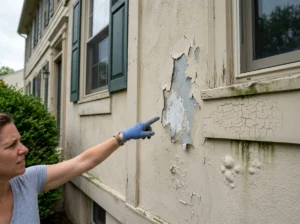
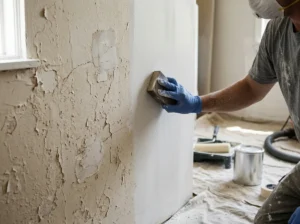
Paint needs a clean and firm surface. If it is placed over dust, grease, loose paint, damaged caulk, or weak drywall, it may not hold well. Even costly paint can fail when the surface below it has not been prepared. This is why a crew may spend as much time on prep as it does on the finish coats.
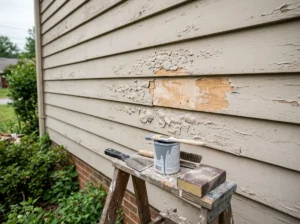
The work plan should match the condition of the property. A newer bedroom with small nail holes may need light patching and sanding. An older exterior may need washing, scraping, wood repair, spot primer, and new caulk. Good professional painters in Cleveland, Ohio should explain which steps are needed and why. They should not promise that a fresh coat will hide rot, leaks, loose plaster, or other damage.
What Should Happen Before You Hire a Painter?
The process should begin with a visit or a detailed review of the project. The contractor needs to see the surfaces, measure the work, and look for damage. You should discuss the rooms or exterior areas being painted, the colors you are considering, and the finish you want. You should also mention stains, cracks, peeling paint, moisture, or past repairs.
This first meeting is also your chance to judge the company. Does the contractor arrive on time? Do they listen? Do they answer questions in plain words? A rushed visit may lead to a vague quote. When hiring a painter, you should understand the planned work before you agree to the price. A good contractor should be willing to explain the process without pushing you to decide at once.
What Should a Written Painting Estimate Include?
A useful estimate should give you more than one total price. It should list the surfaces being painted, the prep work included, the paint or coating system, and the planned number of coats. It should also cover repairs, primer, trim, doors, cleanup, access needs, and the expected work schedule. If some damage cannot be priced until the job begins, the estimate should explain how added work will be approved.
Read each quote carefully. Two contractors may appear to offer the same service, but one may include far more preparation. Ask whether paint and supplies are included. Check whether furniture moving, wall repair, or power washing costs extra. Strong painting companies in Cleveland should provide a clear scope that both sides can follow. This reduces confusion and helps you compare real value instead of choosing only by price.
What Should You Expect After Hiring a Painter?
Knowing what to expect when hiring a painter can make the project feel much easier. The contractor should confirm the start date, work hours, colors, scope, and access plan before the crew arrives. You may also receive instructions about moving small items, taking art off the walls, securing pets, or clearing areas near the work.
Communication should continue throughout the job. You should know who is leading the crew and who to contact if you have a question. If the team finds hidden water damage, loose plaster, rotten wood, or another issue, the contractor should explain it before changing the scope. You should not learn about major added costs only when the final bill arrives.
How Should the Crew Protect and Prepare the Space?
For interior work, the crew should protect floors, furniture, counters, and nearby items. Drop cloths, plastic, masking paper, and tape may be used based on the room. Small wall plates or fixtures may be removed when needed. The crew should then patch, sand, clean, and prime the surfaces included in the estimate.
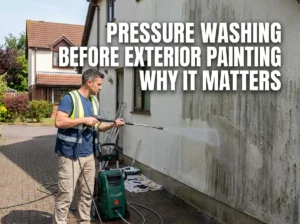
Exterior prep may involve washing, scraping loose paint, sanding rough edges, repairing small areas, and sealing open joints. Plants, paths, windows, roofs, and nearby items should also be protected. The exact process will change with the surface. Wood, metal, vinyl, masonry, and drywall do not all need the same treatment. Your contractor should explain the prep plan before work begins.
What Happens While the Paint Is Being Applied?
Painters may use brushes, rollers, sprayers, or a mix of tools. Brushes are often used near trim, corners, and edges. Rollers work well on many walls and ceilings. Sprayers may be useful on certain exteriors, large areas, or detailed surfaces, but nearby items must be masked with care.
The number of coats depends on the surface, color change, paint product, and finish goal. A dark wall being changed to a light color may need more coverage. Some repaired or bare areas may need primer first. The crew should allow proper drying or recoat time between layers. Rushing this part can affect the look and strength of the finish. The team should also check for thin areas, drips, rough spots, and missed edges as the work moves forward.
What Should Happen During Cleanup and the Final Walkthrough?
A professional crew should remove its tools, tape, coverings, and job waste. Floors and nearby areas should be left clean. Removed switch plates, fixtures, or other items should be put back when that work is part of the agreement. Any paint saved for future touch-ups should be labeled so you know where it was used.
The final walkthrough gives you a chance to inspect the work with the contractor. Check the coverage, trim lines, corners, doors, windows, and repaired areas. Ask about any spot that looks uneven or incomplete. Minor touch-ups should be handled before the project is closed. You should also receive care instructions, payment details, and written warranty information when a warranty is included.
How Do You Compare Painters in Cleveland?
Start with proof, not promises. Look at recent local work, public reviews, and photos from projects that are close to yours. Ask how long the company has worked in the Cleveland area and whether it has experience with your type of home or building. Older plaster homes, wood siding, retail spaces, and warehouses can each require different skills.
Ask for proof of insurance. For work that requires contractor registration or permits, confirm that the company has the correct city records. Cleveland states that contractors working to build or rehabilitate homes must meet city bonding, insurance, and registration rules, while some skilled trades also require state licenses. The exact requirement can depend on the work being done.
Which Questions Should You Ask a Painting Contractor?
Good questions to ask a painting contractor should help you understand the full work plan. Ask how the surfaces will be cleaned and prepared. Find out which repairs are included and which may cost more. Ask which paint system will be used, how many coats are planned, and why that product fits the area.
You should also ask who will be on the job each day, who will lead the crew, and how updates will be shared. Ask about the expected start and finish window, cleanup, payment steps, and warranty terms. For an occupied home or open business, ask how the crew will control dust, noise, smells, and access. A trustworthy contractor should give clear answers instead of avoiding details.
What Is the Difference Between Residential and Commercial Painting?
Residential painting in Cleveland often focuses on homes, apartments, trim, bedrooms, kitchens, siding, and other living areas. The crew must protect personal items and work around the people who live in the property. Color, comfort, clean lines, and careful cleanup are often key parts of the job.
Commercial painters in Cleveland, Ohio may work in offices, stores, warehouses, schools, restaurants, or other business spaces. These projects may involve larger crews, special coatings, tight deadlines, or work outside normal business hours. A commercial contractor must plan around customers, workers, equipment, safety needs, and daily operations. A strong residential painter is not always the right choice for a large commercial project, so ask for related experience.
Why Does Cleveland Experience Matter?
Cleveland buildings face rain, snow, summer heat, cold weather, and wide changes in temperature. Exterior paint must be applied when the surface is dry and the conditions fit the product being used. Old caulk, open joints, and wet wood also need attention before they are coated. A contractor who works in the area should know how local weather affects scheduling and surface prep.
Cleveland also has many older homes with plaster, wood trim, masonry, and several layers of old paint. If a paid contractor will disturb paint in most homes built before 1978, EPA lead-safe rules may apply. In general, covered firms must be certified and use trained workers and lead-safe methods.
What Factors Affect the Cost of a Painting Project?
What affects painting cost includes the amount of work, surface condition, access, paint type, and level of detail. A room with clean walls may take less time than one with cracks, stains, damaged drywall, or old wallpaper. An exterior with peeling paint, rotten trim, or tall areas may need more labor and equipment.
Color changes can also affect the work. Moving from a dark shade to a light shade may need primer or added coats. Doors, trim, cabinets, and detailed surfaces take more time than broad walls. Commercial jobs may cost more when crews must work at night, move equipment, or use special coatings. A fair quote should explain these factors instead of giving you a price with no clear scope.
Which Warning Signs Should You Watch For?
Be careful with a contractor who gives a final price without seeing the project or asking detailed questions. A vague quote makes it hard to know what is included. Large cash demands, no proof of insurance, unclear payment terms, and pressure to sign at once are also warning signs.
Watch for companies that avoid talking about preparation. Paint alone will not repair water damage, weak plaster, rotten wood, or loose coatings. Also be cautious when a company promises an exact finish date without allowing for repairs, weather, or drying time. The lowest price is not always the worst choice, but a very low quote may leave out steps that help the work last.
Frequently Asked Questions
How Do I Find Reliable House Painters in Cleveland, Ohio?
Start with recent reviews, local project photos, and written estimates. Ask for proof of insurance and check whether city registration applies to the project. Compare the prep work, paint system, coats, cleanup, payment terms, and warranty—not only the total price.
How Many Painting Estimates Should I Get?
Two or three detailed estimates can help you compare the work plans. More quotes are not always better if they are vague. Focus on what each contractor includes and how clearly the company answers your questions.
Do I Need to Be Home While Painters Work?
Not always. You may need to provide access at the start and review the work at key points. Discuss doors, alarms, pets, work hours, and daily locking plans before the project begins.
Can Painters Repair Walls Before Painting?
Many painters handle small holes, cracks, and light drywall repair. Larger plaster, water, wood, or structural problems may need a separate repair plan. Make sure the estimate states which repairs are included.
Do Painting Companies Offer Warranties?
Some companies offer a workmanship warranty, but the terms can differ. Ask what is covered, what is excluded, how long it lasts, and whether the warranty is provided in writing. Paint makers may also offer product warranties with separate terms.
When Is the Best Time for Exterior Painting in Cleveland?
Exterior painting should be done when the surface is dry and the temperature and weather meet the paint maker’s limits. A contractor should watch the forecast and avoid coating wet, frozen, or unsuitable surfaces. Interior painting can often be planned throughout the year.
Choose a Contractor Based on the Work Plan
Finding the right painting contractors in Cleveland, Ohio is not about choosing the first company you call or the lowest number on a quote. Look at the surface-prep plan, insurance, local experience, communication, and written scope. A good contractor should tell you what the project needs, what it does not need, and how the work will be completed.
Knapp Painting provides residential and commercial professional painting services across Cleveland and nearby communities. Homeowners and business owners can contact the team to discuss their surfaces, project goals, schedule, and estimate.