
Warehouse floors face severe conditions every single day of the year. Heavy forklifts carry massive pallets across the surface for hours at a time. This constant traffic causes deep scratches, gouges, and ugly black tire marks. Over time, chemical spills from equipment can leak deep into the unprotected concrete below.
Neglecting these issues creates massive financial problems for your industrial facility. Damaged surfaces lead to serious OSHA violations, ruined inventory, and worker injuries. This guide will show you how to maintain an epoxy warehouse floor properly. You will learn a simple warehouse painting and marking plan to keep operations safe.
Why Epoxy Warehouse Floors Are Worth Protecting
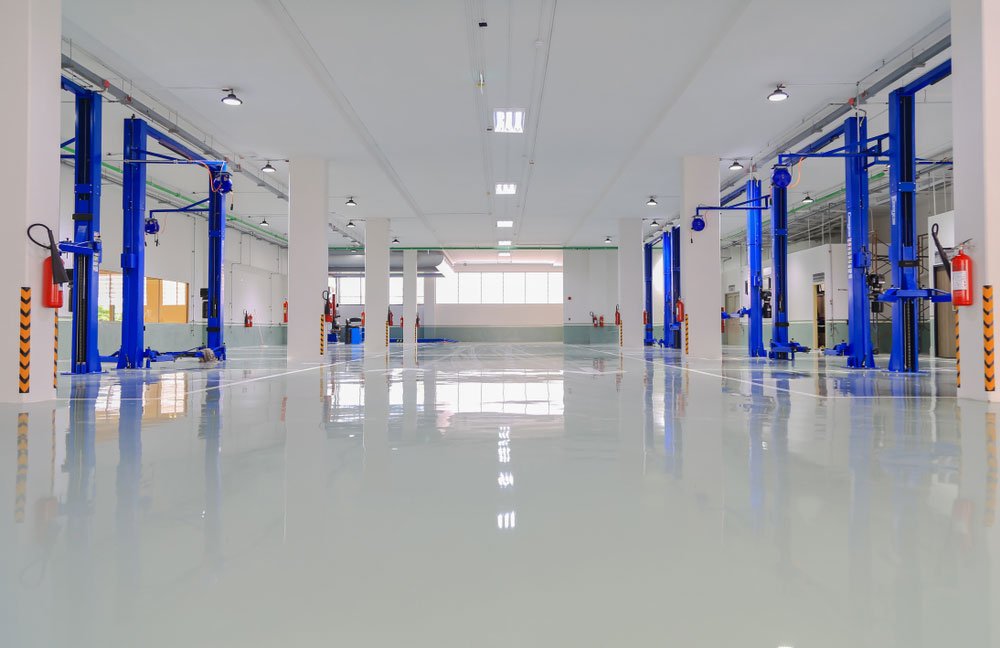
An epoxy warehouse floor coating offers major benefits over plain, bare concrete surfaces. This specialized coating creates an incredibly hard barrier that resists heavy impacts and chemical spills. It keeps dangerous fluids from soaking deep into the porous concrete structure underneath. The smooth finish also reflects overhead light to make the workspace brighter for everyone.
A clean floor directly supports your long-term warehouse renovation goals without high replacement costs. Regular care keeps the protective coating intact so you do not need new concrete. A well-maintained epoxy floor easily lasts five to ten years under heavy traffic. Neglected surfaces will peel, crack, and fail completely in less than two years.
Your Epoxy Floor Maintenance Plan: Daily, Weekly & Annual Tasks
To keep your industrial facility running safely, you need a structured warehouse maintenance plan. Consistency prevents small surface scratches from turning into large, costly cracks that disrupt your daily work.
Daily Maintenance Habits
- Sweeping the whole floor each and every day, go for a delicate broom with bristles or use a microfiber commercial mud mop.
- Each afternoon, examine high-traffic areas for fresh forklift gashes, deep cuts and black rubber burns.
- Make sure to quickly wipe up any liquid spills — wet patches can cause workers to slip.
- Quickly wipe up oils, solvents, and hydraulic fluids before they attack the gloss top coat.
Weekly Maintenance Tasks
- Clean the entire area with a dilute ammonia solution or an approved pH-neutral floor cleaner.
- There is no need to use any type of acidic solution or soap-based cleaner, as they all leave a potentially dangerous, cloudy film behind.
- Use a deck brush with soft bristles to scour difficult grease spots and eliminate deep-seated boiler residue.
- Keep your eyes open for the first signs of bubbling, edges lifting or micro-scratches that you know need immediate work.
Annual Maintenance & Recoating
- Look for significant structural cracking, deep material gouges, and extensive coating delamination throughout the facility.
- The choice is between a clear topcoat refresh or a full color recoat, so make your decision.
- During the most suitable time, holiday weeks with low production, schedule major warehouse renovation repairs to avoid operational downtime at a highly costly price!
- Industrial painters who are experienced will grind down worn areas and repair holes prior to applying a new coat.
- A warehouse floor can easily last from 10 to 15 years before resurfacing is needed due to the high resistance of epoxy.
- Depending on how much traffic you get each day, they should be recoated every three to five years. The daily and weekly maintenance you do is what helps keep your floor coating alive.
What Cleaners Should — and Shouldn’t — Be Used on Epoxy Floors
Using the wrong cleaning chemical can destroy a high-performance industrial floor coating very quickly. Safe choices include diluted ammonia mixed with warm water or commercial pH-neutral floor cleaners. You can also use warm water with a few drops of mild dish soap for light cleaning. These solutions lift heavy dirt away without stripping the shiny protective topcoat from the floor.
You must avoid citrus-based cleaners, white vinegar, bleach, and heavy soap-based products entirely. Acidic cleaners like vinegar dull the shiny finish and weaken the chemical bonds of the epoxy. Soap leaves a sticky, invisible film that collects dirt and makes the floor very slippery when wet. Only use pressure washers on exterior-grade epoxy coatings because high pressure damages interior floors.
How to Repair & Prevent Epoxy Floor Damage Before It Spreads
Taking care of minor surface damage early stops major concrete problems from ruining your warehouse floor.
Fix surface scratches and deep gouges quickly using a manufacturer-matched epoxy touch-up kit. Sand the damaged spot lightly with fine grit sandpaper, wipe away the dust, and apply the mixture. Scrub forklift tire burns away by applying a safe industrial degreaser over the black marks. Let it sit for a few minutes, scrub with a non-abrasive pad, and rinse well.
Remove dried stains by soaking the spot with a diluted ammonia mixture for ten minutes before scrubbing. Never let the cleaning solution dry on the surface or it will leave a permanent mark. Call a professional team when you notice widespread peeling, deep concrete cracks, or large bare patches. At that point, a complete warehouse renovation recoat is necessary to restore safety and durability.
Building a Warehouse Floor Marking System That Works
A clear floor marking system keeps your daily facility operations organized, productive, and perfectly safe.
Maintaining clear lines is a continuous warehouse maintenance duty, not a simple one-time installation project. Faded lines confuse equipment drivers and lead to major safety hazards across your busy facility floor. OSHA sets strict rules for aisle widths, pedestrian walkway colors, and dangerous hazard zone borders. You must choose between heavy-duty floor marking tape and professional warehouse painting to mark your facility floors.
Floor Marking Tape vs. Warehouse Painting — Which Is Right for Your Facility?
- Floor marking tape: Best for facilities needing fast installation, frequent layout changes, or quick temporary zone designations.
- Warehouse painting: Best for permanent traffic lanes, loading docks, and heavy forklift zones that face extreme daily abrasion.
- Cost and labor comparison: Industrial tape wins on installation speed, while specialized floor paint wins on long-term durability.
Common Warehouse Painting Mistakes to Avoid
Avoid these frequent painting errors to ensure your safety lines last for years without chipping away.
- Painting directly over dirty, faded lines without scrubbing or abrading the old surface first.
- Skipping a small test patch before applying paint to a full mile of traffic lanes.
- Driving forklifts over newly painted lines before the coating achieves a full chemical cure.
- Using cheap interior latex house paint instead of industrial-grade warehouse painting products made for floors.
Choosing the Right Colors & Materials for Warehouse Line Marking
Using standard colors makes it easy for workers to recognize specific zones instantly throughout the building. Standard OSHA rules require:
- Bright yellow for main traffic lanes
- Red for fire hazards
- White for workstations
- Bright orange paint for dangerous material storage areas
- And green for first aid supply locations
Epoxy-based paints bond best to an existing epoxy warehouse floor because they fuse together chemically. Polyurethane coatings work well in high-flex areas because the material handles temperature changes without cracking.
Extend your visual safety system vertically by using matching warehouse wall paint to identify high-rack storage zones. Bright bands of wall paint help forklift operators spot loading zones from across the building. Painting upper walls a clean, bright white also reflects overhead light down toward the workspace below. This simple step improves overall visibility and lowers energy bills for your industrial business.
Frequently Asked Questions
When should you recoat epoxy warehouse floors?
They need to be re-coated every 3 – 5 years based on your daily traffic volumes. Performing daily and weekly maintenance tasks regularly will prolong the life of your flooring.
Can industrial marking tape withstand forklift traffic?
An industrial floor marking tape of six mils or thicker can withstand continuous forklift traffic. Low-end vinyl tape will separate from the floor almost right away.
Is it possible to put the warehouse line paint right on top of epoxy?
The answer is yes, you can paint on epoxy as long as the surface has been cleaned and dried thoroughly. Before applying the new paint, you need to first lightly abrade the glossy surface so that adhesion can take place properly.