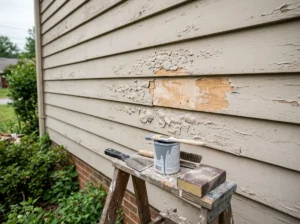
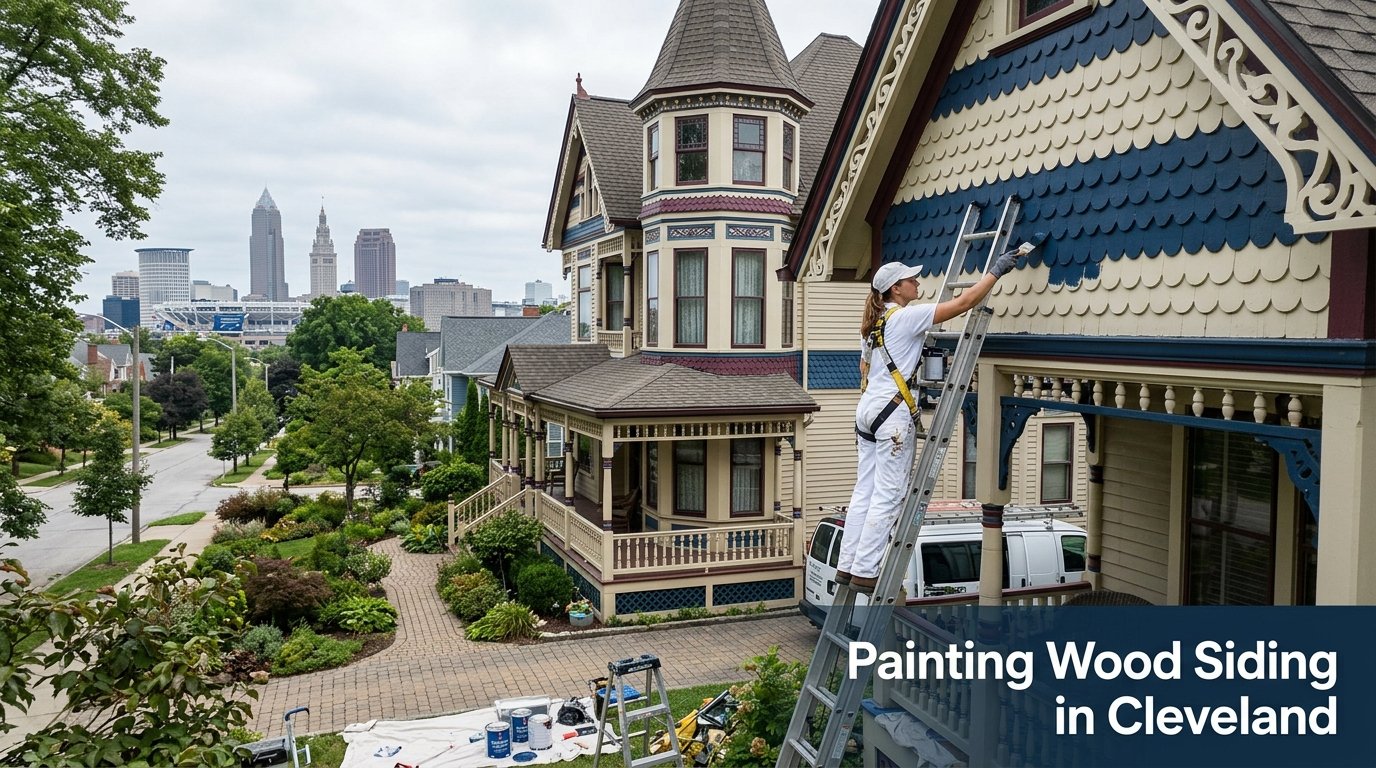
Old siding can look rough long before the boards fail. Peeling paint, open seams, and gray wood often make the damage look worse. Painting wood siding can protect firm boards and bring back a clean finish.
This guide covers painting cedar siding, repairs, primer, paint, stain, and cost. It also explains when repainting wood siding makes sense for an older Cleveland home. You’ll learn which damage needs repair and which boards need full replacement.
A quick coat won’t fix wet wood or loose boards. Good work starts with a close check and a clear repair plan. That first step can save you from paying for the same job twice. Knapp Painting helps Cleveland homeowners inspect aging wood siding and plan the repairs, preparation, and coatings needed for a lasting exterior finish.
Why Does Painting Wood Siding Matter in Cleveland?
Why can old siding still be worth saving?
Why this matters is that old boards may stay strong for many years. Sun and rain can wear the coating before they ruin the wood. A careful paint job covers exposed areas and improves the home’s look. It can also cost less than replacing every board.
Why can small gaps cause large repairs?
Benefits are clear when open joints get fixed before water enters. Failed caulk can let rain reach board ends, trim, and wall parts. Wet wood may swell, split, or hold paint poorly. Early repairs can stop one weak area from spreading.
Why does Cleveland weather change the work plan?
Important because Cleveland faces heavy rain, winter storms, and changing seasons. The city also tracks freeze-and-thaw stress as a local climate concern. Wood needs time to dry before primer or paint goes on. A painter should watch the forecast and board condition, not only the calendar.
Can Old Wood Siding Still Be Painted?
How can you check whether the boards remain firm?
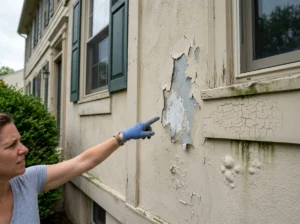
Press gently near joints, lower edges, and window trim. Soft spots may point to rot or long-term water damage. Cracked boards may still be repaired when nearby wood stays firm. Large weak areas often need new boards before painting begins.
Which signs can point toward hidden moisture?
Look for dark stains, peeling near gutters, open seams, and swollen boards. Paint bubbles can also show water moving through the wood. Check roof edges, downspouts, windows, and failed caulk nearby. Paint won’t stop a leak that starts behind the siding.
When should boards be replaced before painting?
Replace boards that feel soft, split deeply, or pull away from the wall. New paint can’t rebuild wood that has lost its strength. Small repairs may work around firm boards and stable joints. Your quote should list board replacement apart from the paint work.
How Should Painting Exterior Wood Siding Be Prepared?
Should every old paint layer be removed?
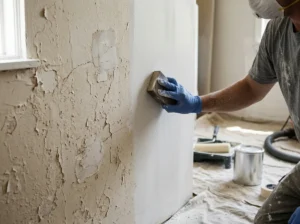
No, sound paint can often remain after cleaning and light sanding. Loose, checked, or peeling areas need scraping back to a firm edge. Sherwin-Williams advises cleaning first, then scraping and sanding failed coatings. Full stripping makes sense only when most layers have lost their hold.
When does sanding help the new finish?
Sanding smooths sharp paint edges and rough exposed fibers. It also dulls glossy spots that may block good adhesion. Workers shouldn’t grind away sound wood without a clear reason. The goal is a clean, dry, and stable surface.
What should happen before scraping an older home?
Older coatings may contain lead, especially on homes built before 1978. Scraping and sanding can spread harmful dust around the property. EPA guidance says lead from older paint can create serious health risks. A trained contractor should plan safe control, cleanup, and disposal when lead may be present.
When do bare wood and cedar need primer?
Bare wood absorbs paint differently from coated boards. Primer seals the surface and gives the topcoat a steady base. Cedar also contains tannins that can leave brown marks through light paint. Sherwin-Williams recommends a stain-blocking wood primer for cedar siding.
Is Paint or Stain Better for Cedar Siding Painting?
When does paint make more sense?
Paint gives a full color change and hides many marks in the wood. It works well when the siding already has a painted finish. For many older homes, painting cedar siding also blends repairs across one wall. Future peeling will still need scraping before another coat.
When does stain make more sense?
Stain can show more wood texture and may wear without thick peeling. It works best when the current surface can accept stain evenly. Solid stain hides more than clear or light stain. The wood’s shade can change how a lighter stain looks after drying.
Can painted cedar be changed back to stain?
Changing paint back to stain often needs heavy removal work. Old paint left in grooves can make the stain look uneven. This choice may cost more than another paint system. Ask for a small test area before changing the whole house.
What Should Repainting Cedar Siding Cost and Include?
What is a useful planning range?
National guides place wood siding painting cost near $1 to $3 dollars per square foot. That is only a planning range, not a fixed Cleveland price. Repairs, access, and heavy scraping can raise the total. A local visit gives a better number than online square-foot math.
Which items can raise the final price?
Rot repair, loose boards, failed caulk, and many paint layers add labor. Detailed trim and narrow spaces can slow the crew. Cedar primer may also add time and material costs. The quote should separate repairs, prep, primer, finish coats, and cleanup.
How long can a professional finish last?
The finish life depends on sun, moisture, prep, paint, and board condition. Shaded walls may face mildew, while sunny walls may fade sooner. Check the siding each spring for open joints and new peeling. Small repairs can delay full repainting cedar siding.
When should you hire a professional painter?
Tall walls, steep ground, and heavy scraping make the job harder. Lead dust may also be a concern on older Cleveland homes. Compare quotes that list cleaning, repairs, primer, coats, and cleanup. For wider planning, read our painting older homes in Cleveland guide or explore our exterior painting services in Cleveland.
What Do Cleveland Homeowners Ask About Wood Siding?
Can old wood siding be painted instead of replaced?
Yes, firm and dry boards can often be painted again. Soft rot, deep splits, and loose sections need repair first. A painter should check the whole wall before giving a final plan.
What is the best wood siding paint?
A quality exterior acrylic paint often works well over proper primer. Cedar may need a stain-blocking primer before the finish coat. The current coating and board condition still guide the final choice.
Is cedar siding painting better than staining it?
Paint gives fuller color and hides repairs more evenly. Stain keeps more wood texture and can wear in a softer way. The old finish often decides which option needs less work.
How much does wood siding painting cost in Cleveland?
A broad planning range is $1 to $3 dollars per square foot. Repairs, height, trim, and old paint can raise that amount. A site visit gives the most useful local estimate.
How often does repainting wood siding become necessary?
There isn’t one schedule for every home. Sun, shade, moisture, and prep all change the timing. Inspect the siding yearly and act when bare wood appears.
When should wood siding be replaced instead?
Replace boards with deep rot, major splits, or weak fastening. Large areas of failed wood may cost too much to patch. Sound boards around the damage can often stay and receive paint.
Strong painting exterior wood siding starts with dry, firm, and clean boards. Repairs and primer matter more than a fast first coat. The right plan can protect your Cleveland home and keep its older details looking cared for.