

A fresh coat of paint can change how your home feels right away. Most people start a residential painting project with high hopes but soon run into messy drips. You might see streaks on your walls or realize the color looks wrong in the light. These common mistakes turn a fun weekend project into a long and stressful ordeal.
Your home is likely your biggest investment and deserves a look that lasts many years. Poor prep work leads to peeling paint and ugly cracks within just a few months. Learning the right way to handle a brush saves you time and a lot of money. This guide shares the secrets pros use to get a smooth and beautiful finish.
Start With a Solid Plan for Success
Good preparation is the secret to making any paint job look like a pro did it. You cannot just open a can and start slapping color onto your old, dusty walls. Taking time to clear the room and protect your floors will prevent a huge mess. This phase is where you set the stage for a clean and very sharp look.
Pick the Right Paint for Each Room
Well, selecting a finish is as critical as picking that ideal hue of blue or grey. Kitchens and bathrooms need paint that can withstand a lot of heat and thick steam. Satin or semi-gloss is preferable because they can withstand scrubbing without losing their color. This will keep your home painting project looking astonishing for years.
Gather All Your Professional Tools
You need more than just a cheap brush to get the residential painting results you really want. High-quality rollers hold more paint and help you avoid those annoying and thin lap marks. Grab some painters’ tape, drop cloths, and a sturdy ladder before you start your first coat. Having everything ready keeps you focused and prevents trips to the store in the middle.
Master the Art of Surface Prep
Cleaning your walls is a step that many homeowners try to skip to save time. Dust and oils prevent the new layer from sticking to the surface of the wall. If you paint over dirt, the finish will bubble and peel off very quickly. Use a damp cloth to wipe every inch of the space before you start.
Fix Cracks and Small Holes
Look closely at your walls for any small dents or deep cracks that need fixing. Use a high-quality spackle to fill these spots and let them dry completely before sanding. Smooth these areas down until they feel even with the rest of the flat wall. This step is a vital part of painting residential spaces if you want perfection.
Sanding for a Smooth Finish
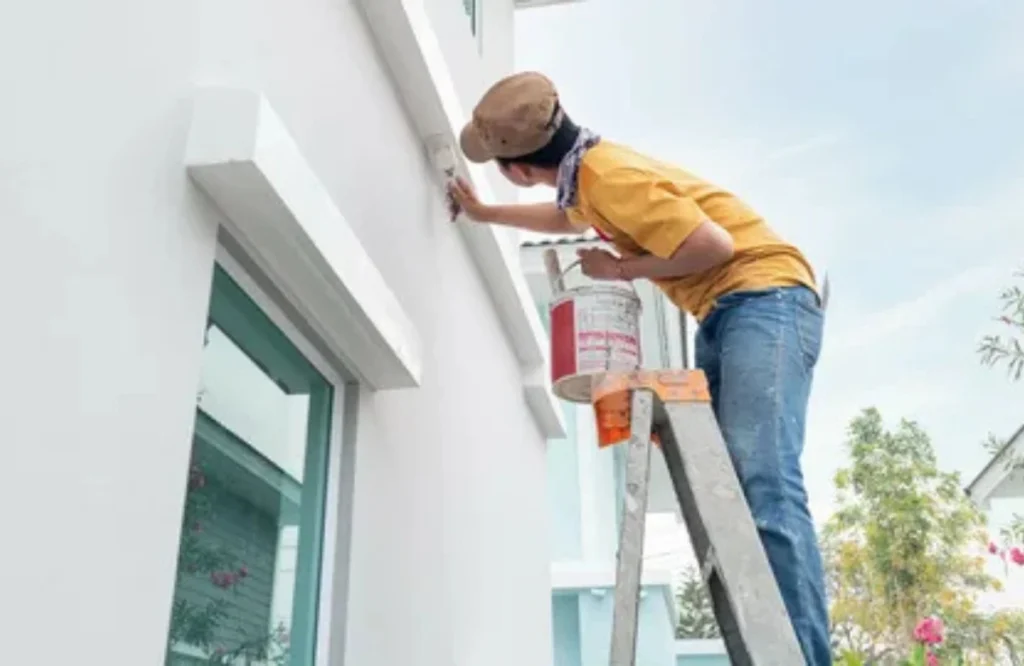
The light sanding provides superior adhesion of the new coat to the old. Sand the previous job out with a fine-grit sandpaper to take down any bumps or old drips. This leaves you with a flat canvas which lets the color distribute smoothly and evenly. Else, gently buff off the excess with a tack cloth so your paint is clean.
The Best Way to Paint a Room
Having the right approach for any job makes that job much quicker and much easier. You always work from top to the floor. This approach allows you to correct any drips as you go down the wall. It keeps your work looking neat and avoids ruining areas you already finished.
Cut in the Edges First
Use a small angled brush to paint along the ceiling and the baseboard edges first. This technique creates a border that allows you to use a large roller safely. Take your time to keep the lines straight and avoid getting paint on the trim. Learning how to paint a room starts with mastering these tight and tricky corners.
Use the Rolling Method
Dip your roller into the tray and coat it evenly without making it too heavy. Apply the paint in a large “W” or “M” pattern to cover the big areas. This spread ensures the paint is even and does not leave any thick or thin spots. Keep a wet edge to avoid those dark lines where two different sections meet.
Pro Secrets for Doing it in Style
The conditions within your house influence how the paint cures and appears afterwards. It can take much longer to dry and also get a really sticky feeling when the humidity is high. You should always prefer working on a dry day with a pleasant breeze to ensure that the layers cure correctly to withstand the tough wear and tear of everyday use.
Why You Need a Primer
Primer acts as a glue that helps the top coat stick to the wall perfectly. It also blocks old stains and dark colors from bleeding through your new light paint. Using a primer is the best answer when people ask how do you paint a wall. It saves you from needing three or four coats of expensive colored paint.
Focus on the Trim and Molding
Paint your baseboards and window frames after the walls have had enough time to dry. Use a steady hand and a high-quality trim brush for these very narrow wood surfaces. A semi-gloss paint makes the trim pop and provides a nice contrast to the walls. This small detail gives the entire room a finished and very professional look.
Keeping Your New Paint Looking Great
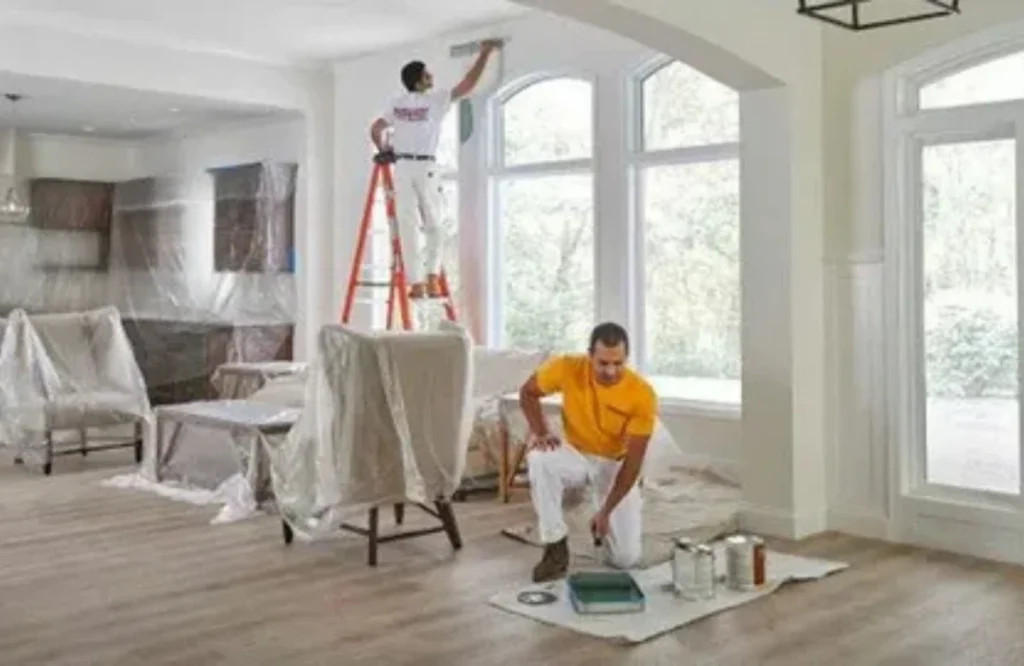
After the job is completed, you want that brand new appearance to last for lots of years. Do not touch the walls for at least 2 weeks while the paint completely hardens and cures. Traces of slime will soon wash away with a gentle sponge and little water. Taking proper care keeps your house looking beautiful and saves you from repainting earlier than needed.
Check for Moisture Damage
Monitor the areas close to sinks and showers where water may splash onto the paint. If the paint is exposed to dampness for too long, it may experience peeling or even mold growth. In these moist rooms, keep the air moving by using a fan or opening a window. One of the best painting tips for a healthy home with paint is to ventilate well.
Store Extra Paint Correctly
Save your leftover paint in a small jar for quick touch-ups in the future. Label the jar with the room name and the date you finished the project. Keep these containers in a cool and dry place so the paint does not dry out. Having a match ready makes it easy to fix small scratches from moving furniture.
Hire the Best for Your Residential Painting
Painting your own home is a massive task that takes a lot of hard work. If you want a perfect finish without the stress, Knap Painting LLC is here to help. Our team brings years of experience and professional tools to every local Cleveland project. We handle all the prep and cleanup so you can just enjoy your home.
Contact Knap Painting LLC today to get a free estimate for your next big project. We offer expert interior and exterior services that will make your house the best on the block. Our painters focus on every detail to ensure you get a look you love. Let us take the hard work off your hands and deliver amazing results.
FAQs
The second coat should usually be applied at least four hours later. Waiting gives time for the paint to dry enough that it does not pull up the finish with the roller.
Before you paint, cleaning the walls and applying a moisture-resistant primer helps greatly. Using a good quality semi-gloss paint will also assist in preventing water from getting into the wall. Keep the air consistently moving by using a fan or opening a window.
Yes, light sanding removes the existing bumps and allows for better surface adhesion with new paint. This makes a smooth finish and stops the new layer from chipping away.