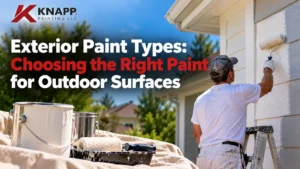
Choosing paint for an outdoor surface is more difficult than it looks. Sun fades it. Rain soaks it. Temperature swings stress it. Exterior paint types are different in how much they adapt and how they manage moisture. This guide compares the main formulas and matches them to common materials.
What Makes One Exterior Paint Unique From Others?
Flexibility comes first. Wood swells and shrinks with humidity. Vinyl and metal expand in heat. A stiff film cracks under that movement. Water is the next test. Brick and bare wood soak up moisture. Moisture resistance helps a film shed water. It won’t fix a leak behind the wall.
Sunlight bleaches color. UV shielding is a formula’s strength to resist fading and chalking. Chalking is a powdery breakdown of the surface. Adhesion matters just as much. A coat that can’t grip will peel. An “exterior” label doesn’t settle anything. Paint made for siding may not bond to metal.
Comparing Different Exterior House Paint Types and Common Uses
Three families cover most residential projects. Each one fits certain jobs and misses others. Water-based acrylic and latex lead the list. Oil-based alkyd paint comes next. Specialty coatings handle tougher surfaces like masonry. None of them wins everywhere. Your surface and the product label make the call.
Acrylic and Latex Paint for Everyday Exterior Painting
Latex defines a water-based paint that cleans up with water. Acrylic names the binder, which is the ingredient that holds pigment together. Many stylish exterior latex paints utilize acrylic binders, so the terms overlap. Painters often pick them for siding and trim because they bend and hold color. They dry quickly too.
Oil-Based and Alkyd Paint for Specific Applications
Alkyd is an oil-based coating made with synthetic resin. It dries slowly. It levels smoothly. It can cure hard, so painters sometimes use it on compatible trim and metal. The trade-offs are longer drying and solvent cleanup. It isn’t automatically better than modern water-based paint. The job decides.
Specialty Coatings for Masonry and Other Demanding Surfaces
Some materials need coatings built for them. Masonry paint is formulated for mineral surfaces like brick and concrete. These surfaces manage moisture differently than wood. Elastomeric coatings are thick, stretchy films. They can bridge hairline cracks on certain walls. They don’t suit every masonry surface. Match product to material.
Which Outdoor Paint Types Work Best on Different Surfaces?
Treat these as starting points. No chart can see your house. The material and the product instructions make the final call. Read the label before you buy. Then check it against the surface in front of you. A quick look now saves a lot of scraping later.
Wood Siding and Other Exterior Wood
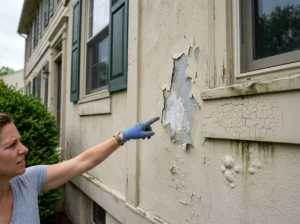
Wood siding does not stay still through changing weather. It expands and contracts, so the paint needs enough flexibility to handle that movement. Exterior acrylic and latex paints are often used for this reason. The right choice also depends on the existing finish and the condition of the boards. Look for peeling paint, exposed wood, and other signs of wear before deciding.
Vinyl Siding and Fiber Cement
Vinyl needs paint approved for vinyl. Dark colors will absorb heat, and vinyl can warp. Check the siding manufacturer’s color limits before you buy. Fiber cement varies by board and factory finish. Follow the manufacturer’s instructions for it. A paint that works on one product may fail on another.
Brick, Stucco, Concrete, and Other Masonry
Porosity drives the choice. These materials absorb water at various rates. Masonry paints and elastomeric coatings suit different conditions. Paint can’t repair active water intrusion. It can’t fix structural damage either. Solve those problems first. Then choose the coating. A pretty finish over a leak won’t last.
Metal Surfaces, Doors, and Exterior Trim
Metal needs a compatible coating. Sometimes it needs a primer too. Bare steel behaves differently than galvanized metal or aluminum. Doors and trim take more wear than siding. Many homeowners choose a tougher, glossier coating for them. Check the label for metal approval. Ask the maker about primer.
This table offers general starting points by material. Treat it as a guide, not a prescription. Use it to narrow your list. Surface condition and exposure still matter. The product label and manufacturer instructions always win. If the label and this chart disagree, trust the label.
| Outdoor surface | Product to consider | Main selection factor |
| Wood siding | Compatible exterior acrylic or latex paint | Flexibility, adhesion, and wood condition |
| Vinyl siding | Paint specifically approved for vinyl | Color limitations and heat exposure |
| Fiber cement | Compatible exterior coating | Manufacturer specifications and existing finish |
| Brick and stucco | Suitable masonry paint or specialty coating | Porosity and moisture conditions |
| Concrete | Coating designed for the particular concrete application | Moisture, traffic, and intended use |
| Metal | Compatible metal coating or exterior system | Corrosion protection and substrate compatibility |
| Exterior trim and doors | Suitable exterior trim coating | Desired sheen, durability, and cleanability |
How Weather Resistance and Exterior Paint Finishes Affect Your Choice
Match Paint Performance to Sun, Rain, and Temperature Changes
Cleveland’s seasons test every coat. Summer sun fades color. Wet springs keep surfaces damp. Freeze-thaw cycles stress the paint film. Look for weather-resistant paint with UV protection and moisture resistance. No formula fits every house in the region. Paint durability also depends on the surface underneath.
Choose the Right Sheen for the Surface
Sheen is how much light dried paint reflects. Flat or matte hides flaws but wipes clean poorly. Satin balances glow and cleaning. Semi-gloss and gloss resist wiping but show imperfections. Siding often gets a flatter sheen. Trim and doors often get a glossier one. Sheen shapes appearance and cleaning.
What to Check Before Buying Exterior Paint
Use this list before you agree to a product. It takes five minutes. It can save you a repaint. Answer each point for your own house. If one answer feels unclear, read the label again. Call a local painter if it still doesn’t add up.
- Surface material: Confirm the product suits your siding, masonry, or metal.
- Existing finish: Check that it works with the coating already there.
- Primer requirements: See whether bare material needs a compatible exterior primer.
- Exposure: Think about sun, rain, humidity, and temperature swings.
- Finish and appearance: Pick a sheen and color that fit the material.
- Product instructions: Read the application conditions, drying times, recoating rules, and curing notes.
A good product on a poor surface still struggles. The coating only performs as well as the exterior preparation behind it. Dirt blocks a good bond. So does loose paint. Clean the surface and remove what’s failing before you paint. Skip it, and the best can fail early.
Important: Check Surface Compatibility First
Exterior paint isn’t interchangeable across materials. Confirm that the product suits both the surface and the existing coating. Follow the manufacturer’s primer instructions. Follow the application instructions too. Do this before you start the project. One wrong assumption can cost you a full repaint. Read the label first.
Common Exterior Paint Selection Mistakes to Avoid
Price and color drive too many purchases. A cheap can means little if the formula doesn’t suit the material. Water-based doesn’t mean universal. Skipping primer requirements invites poor bonding. So does ignoring the existing coating. Wall paint on a floor or other high-wear surface is another miss.
Paint also isn’t a repair. It won’t stop a leak. It won’t fix a failing substrate. Each mistake raises the odds of a poor match and a disappointing result. Slow down at the store. Ask the staff plenty of questions. Read the label twice if you need to.
Frequently Asked Questions About Exterior Paint Types
Is Acrylic Paint Better Than Oil-Based Paint for Exterior Surfaces?
Neither wins everywhere. Modern acrylic products tend to stay flexible. They also clean up with water. Oil-based or alkyd coatings dry slowly and cure hard. Some trim and metal work may call for that. Pick based on the surface and the label, not on habit.
Can the Same Exterior Paint Be Used on Wood, Vinyl, and Masonry?
Sometimes, but not automatically. Some products are approved for several surfaces. Others aren’t. Check the label and manufacturer guidance for each material. Check the finish already on it too. A paint that grips wood may fail on masonry. A paint made for vinyl may not suit metal.
Which Exterior Paint Finish Is Best for Siding and Trim?
It depends on the product and the look you want. Flat or matte softens imperfections on large walls. Semi-gloss and gloss resist wiping. That makes them a fit for doors and trim. Let surface condition guide the pick. Think about cleaning needs too. Gloss shows flaws, so prep matters.
How Can Homeowners Choose Paint That Handles Cleveland Weather?
Start with the surface. Then weigh sun and moisture against the product’s specifications. Temperature swings count too. No paint handles every condition. No formula carries a fixed lifespan. Treat lifespan claims as general guidance. Cleveland’s winters and wet springs are hard on any coating. Check each label.
Choosing Exterior Paint With Your Home’s Long-Term Needs in Mind
Good selection starts with the material underneath. Surface type and formulation come first. Weather exposure narrows the list further. Sheen and the existing finish narrow it again. A smart pick now means fewer problems later. Walk the house. Read the labels. Match each surface to the right coating.
Choosing the right coating is part of any exterior project. Knapp Painting LLC is a locally owned painting company in Cleveland, Ohio. It serves residential, commercial, and industrial customers in the area and surrounding communities. Homeowners can also hire the team for exterior house painting. If an exterior project is coming up, contact the team or call +1 567-274-2211.