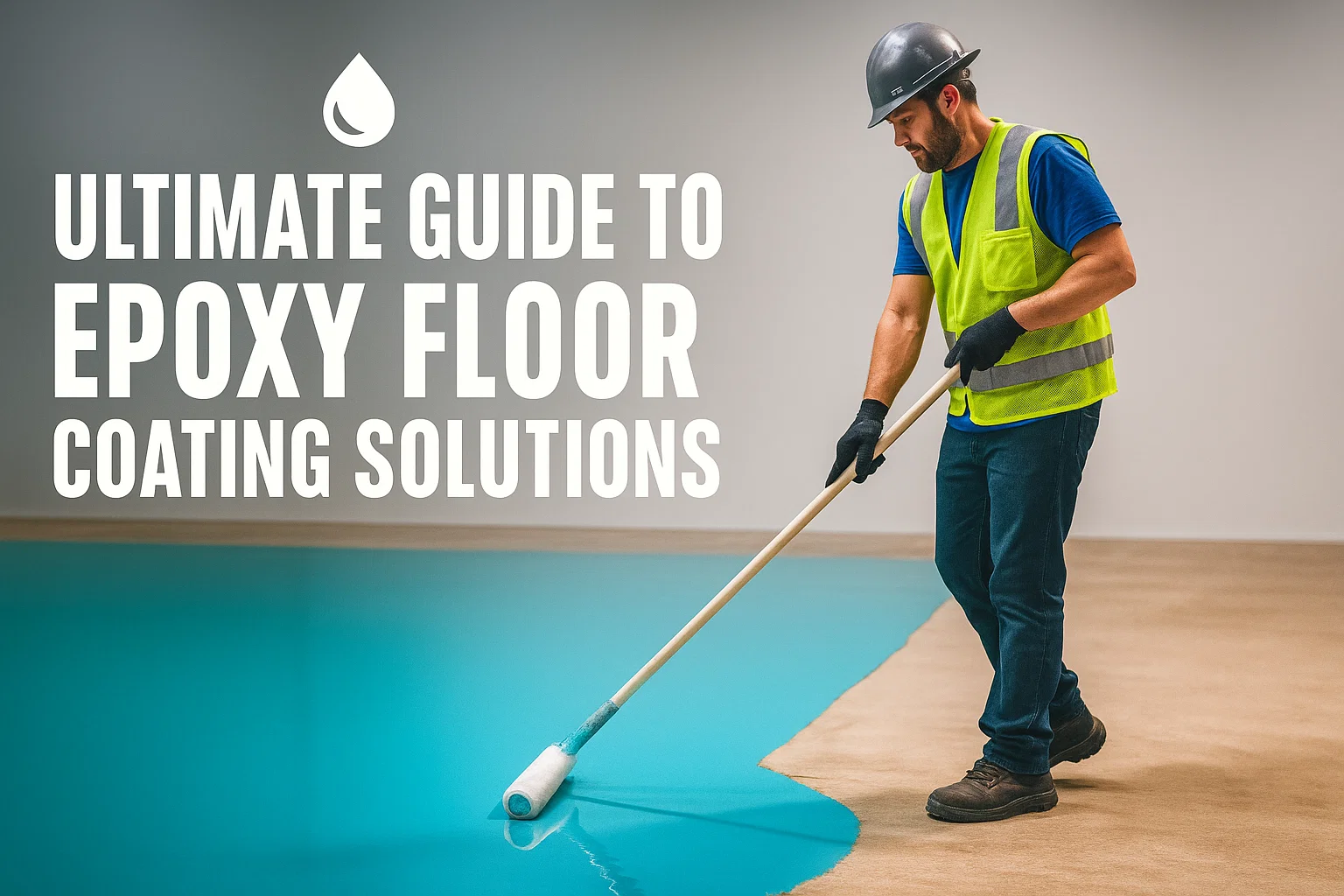
A plain concrete floor can take a lot of abuse. Cars bring in dirt and road salt. Tools get dropped. Oil, water, and other liquids may spill. In a shop or warehouse, people and carts may cross the same floor all day. Over time, bare concrete can stain, crack, and become hard to clean. A good epoxy floor coating can help protect the surface while also giving it a cleaner look.
Still, epoxy is not right for every floor. The concrete must be checked first. It may need repairs, grinding, or moisture tests before work begins. The type of coating also matters. A home garage does not need the same system as a factory or busy kitchen. This guide explains how epoxy flooring works, what it may cost, and what property owners should know before choosing it.
What Is Epoxy Floor Coating?
Epoxy floor coating is made by mixing resin with a hardener. Once mixed, the two parts react and begin to cure. The coating then forms a hard layer over a prepared concrete floor. It is much stronger than common floor paint. Paint may sit on top of the concrete, while epoxy is made to bond with the surface below it.
The final floor can have a solid color, flakes, texture, or a glossy finish. It may also include a topcoat for added wear protection. A good epoxy coating for concrete can help protect against stains, dirt, light impact, and some chemicals. The exact level of protection depends on the product used, the number of coats, and the way the floor was prepared.
Where Can Epoxy Flooring Be Used?
Epoxy flooring can be used in many homes and businesses. In a home, it may work well in a garage, basement, laundry room, workshop, or storage area. An epoxy garage floor can make the space look brighter and easier to clean. It can also help protect the concrete from oil, dirt, and water brought in by vehicles.
Businesses may use commercial epoxy flooring in shops, offices, kitchens, showrooms, and work areas. A warehouse may need a thicker warehouse epoxy flooring system that can handle carts, tools, and heavy foot traffic. Factories may need an industrial epoxy coating that can stand up to chemicals, machines, or daily cleaning. The right choice depends on how the floor will be used.
What Are the Main Benefits of Epoxy Floors?
One clear benefit is easier cleaning. Bare concrete has small holes that can hold dirt, dust, and spills. Epoxy creates a smoother surface, so many messes are easier to wipe or mop. This can be useful in garages, shops, kitchens, and busy work areas where the floor needs regular care.
Epoxy can also improve the look of old concrete. Property owners can choose from solid colors, flakes, and other finish styles. A decorative epoxy flooring system can make a garage or showroom feel much more finished. Some spaces may also need slip resistant epoxy flooring. Texture can be added to give shoes and tires more grip when the floor is wet.
What Types of Epoxy Floors Are Available?
There are several types of epoxy flooring. A solid-color floor has a simple and clean look. It is often used in work areas, storage rooms, and commercial spaces. Flake epoxy flooring has small color chips spread across the surface. The flakes add style and can help hide small marks, dust, or light wear.
Metallic epoxy flooring has a flowing design that may look like stone, smoke, or metal. It is often used in showrooms, salons, stores, and other spaces where appearance matters. A self leveling epoxy floor can create a smooth finish, but the concrete still needs proper prep. Some floors may also need an epoxy floor topcoat to improve wear, cleaning, or chemical resistance.
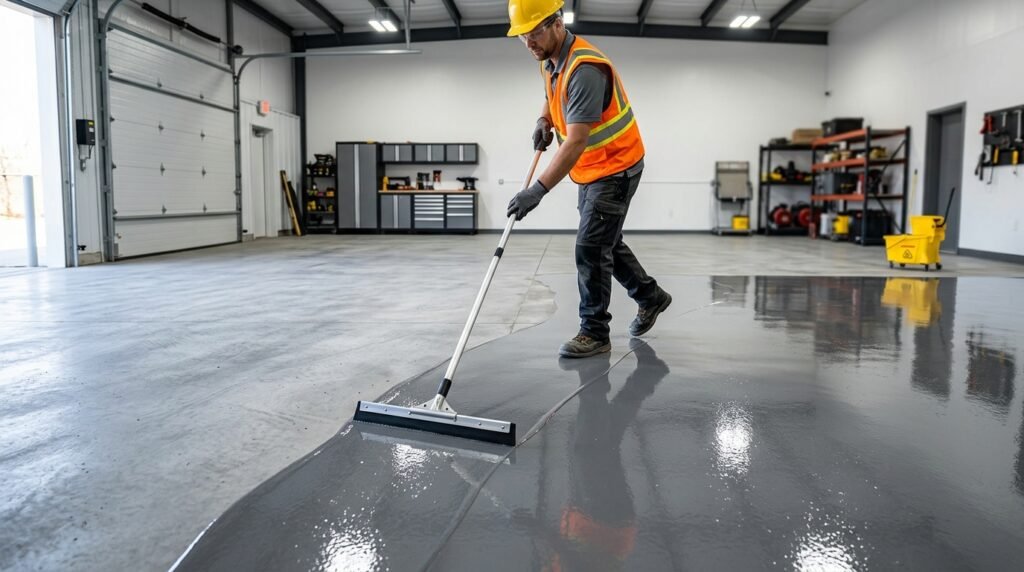
How Is an Epoxy Floor Installed?
A proper epoxy floor installation begins with a close check of the concrete. The installer looks for cracks, weak spots, oil, old paint, sealers, and moisture. These issues matter because epoxy needs a clean and firm surface. If the concrete is dirty or weak, the coating may not bond well.
The next step is epoxy floor preparation. The concrete may be ground with special tools to remove weak material and open the surface. Cracks and damaged spots are repaired when possible. The floor is then cleaned before the first coat is added. Some systems use an epoxy floor primer, followed by a base coat, flakes, and a topcoat. Each layer needs enough time to cure before the next step.
How Long Does an Epoxy Floor Take to Cure?
There is no single cure time for every epoxy floor. The time can change based on the product, room temperature, floor temperature, humidity, and number of coats. A floor may feel dry on top but still be soft below the surface. This is why it is important to follow the product rules and the installer’s advice.
Light foot traffic may be allowed before cars, carts, or heavy tools. Full use can take longer. Cold weather may also slow the cure. A business should plan the epoxy floor installation process around its work hours. Giving the floor enough time to cure can help prevent tire marks, dents, scratches, and other damage soon after the job is done.
How Much Does Epoxy Flooring Cost?
The epoxy flooring cost depends on the size and condition of the floor. A clean floor with little damage may cost less to prepare. A floor with cracks, oil stains, old paint, or moisture may need more work. Grinding, repairs, extra coats, flakes, texture, and topcoats can all change the total price.
The type of building also makes a difference. A home garage may need a different system than a warehouse, kitchen, or factory. This is why the epoxy floor coating cost should be based on a real floor check. A low quote may leave out key work, such as grinding or crack repair. Property owners should ask what is included before comparing prices.
What Can Cause an Epoxy Floor to Fail?
Poor surface prep is one of the main causes of failure. Dust, oil, moisture, and old coatings can stop the new epoxy from bonding. This may lead to peeling, bubbles, soft spots, or sticky areas. The wrong mix or poor weather conditions can also cause problems.
Concrete cracks may also show through the coating if the slab keeps moving. Some epoxy products can change color in strong sunlight. A smooth floor may also become slippery when wet if no texture was added. These problems do not mean all epoxy floors are weak. They show why the floor must be checked and the right system must be used from the start.
Can Epoxy Be Used on Old Concrete?
Epoxy flooring for old concrete may work well if the slab is still firm and stable. The age of the floor is not the only concern. The installer must check for deep cracks, weak concrete, moisture, oil, paint, and past repairs. Some flaws can be fixed before coating, while others may need more work.
Old concrete should not be covered just to hide a serious problem. If water is moving through the slab, or if the floor is breaking apart, the new coating may fail. A moisture test may be needed in basements, garages, and older buildings. When the slab is suitable, a concrete floor coating can improve its look and help protect it from daily wear.
Is Epoxy a Good Choice for Cleveland Weather?
A well-planned epoxy flooring Cleveland Ohio project can work in homes and businesses, but local weather must be considered. Cleveland garages often deal with snow, water, grit, and road salt. These materials can sit on the floor during winter and may harm bare concrete over time.
People searching for epoxy garage floor winter salt protection should know that the coating still needs care. Salt and dirty water should be cleaned instead of being left on the floor for weeks. A garage floor coating for Ohio winters also needs the right cure temperature. Cold concrete may slow the work. Cracks caused by freeze and thaw cycles should also be checked before the coating is installed.
Can Epoxy Work in Cleveland Warehouses and Shops?
Epoxy can be a good option for many work sites, but the system must fit the job. Commercial epoxy flooring Cleveland projects may involve offices, stores, kitchens, shops, and service areas. Each space has different needs. A kitchen may need more grip, while a showroom may focus on color and shine.
A warehouse floor coating Cleveland project may need added strength for carts, forklifts, tools, or heavy foot traffic. Chemical spills may also affect the product choice. Before work begins, the contractor should ask about traffic, cleaning, heat, spills, and work hours. These details help decide the right prep, coating layers, finish, and cure time.
Is DIY Epoxy a Good Idea?
DIY kits may look easy, but putting down the coating is only one part of the job. The concrete may need grinding, crack repair, deep cleaning, and moisture testing. The product must also be mixed in the right amount and used before it starts to harden.
A small and clean floor may be a possible DIY job for someone with the right tools and time. A large garage, basement, shop, or warehouse is more difficult. Mistakes can lead to peeling, bubbles, or uneven areas. Professional work may cost more at first, but it can save the time and cost of removing a failed coating and doing the whole job again.
How Do You Choose an Epoxy Floor Contractor?
Start by asking how the floor will be prepared. A good contractor should explain the steps instead of saying that the coating will cover every flaw. Ask how cracks, oil, moisture, and old paint will be handled. You should also know how many coats will be used and whether the floor needs added texture.
Ask about cure time, cleaning, product choice, and warranty terms. Look at photos of real jobs that are close to your type of project. The final quote should explain the work, not just show one price. Cleveland homeowners and business owners can also learn more about professional epoxy floor coating services from Knapp Painting.
Frequently Asked Questions
Is epoxy flooring worth the cost?
Epoxy may be worth the cost when the floor is prepared well and the right system is used. It can make concrete easier to clean and may help protect it from stains, wear, and some chemicals. The value depends more on the quality of the prep and product than on the shine of the final floor.
Can epoxy be placed over cracked concrete?
Some cracks can be repaired before coating. Small, stable cracks are often easier to handle than wide cracks that keep moving. Epoxy will not stop the concrete from moving below it. The contractor should check the crack and decide if a repair is likely to last.
Is epoxy flooring slippery?
A smooth epoxy floor can feel slippery when it is wet. Texture or anti-slip material can be added to improve grip. The amount of texture should match the space. A kitchen or warehouse may need more grip than a showroom or home storage room.
How many coats does an epoxy floor need?
The number of coats depends on the floor and the product. A system may use a primer, base coat, flakes, and topcoat. Another system may use fewer layers. The installer should explain what each layer does and why it is needed.
How long does an epoxy floor last?
The life of the floor depends on traffic, cleaning, sunlight, chemicals, prep work, and product quality. A lightly used home floor may last longer than a busy warehouse floor. Regular cleaning and quick repair of damage can also help the coating last longer.
Can epoxy handle road salt?
A suitable coating can help protect concrete from salt and winter dirt. Still, salt should not be left on the floor for long periods. Regular sweeping and washing can help protect the finish. The coating should also be chosen for garage use and local winter conditions.