
Warehouse painting should begin with a site plan, not a paint order. The team must first decide which walls, ceilings, steel, floors, docks, and aisle lines need work. The plan should also show how people, forklifts, stock, and equipment will move while each area is closed.
A warehouse is rarely an empty room. It may contain tall racks, loading docks, moving vehicles, machines, stored goods, and work zones that cannot all close at once. These limits affect surface preparation, coating choice, lift access, and the project schedule.
This guide explains how to plan the work while reducing downtime. It also covers high walls, ceiling decks, structural steel, concrete floors, line markings, surface cleaning, and bid review.
For a broader view of commercial project planning, read our commercial painting guide for Cleveland businesses.

Which Warehouse Surfaces Are Usually Painted?
A warehouse may contain many surfaces that need different types of work. Walls, ceilings, columns, steel, floors, doors, loading areas, and floor lines should not be placed under one broad coating plan.
The table below shows the main areas and the questions that should be answered before painting starts.
| Surface | Main planning questions |
|---|---|
| Drywall or block walls | Are they dusty, stained, damaged, or hard to reach? |
| High-bay walls and ceiling decks | Will lifts fit between racks, machines, and stored goods? |
| Structural steel | Is there rust, grease, loose paint, or an old coating? |
| Concrete floors | Are there cracks, moisture, oil, weak concrete, or old coatings? |
| Aisle and safety lines | What routes, zones, hazards, and colors must be shown? |
| Doors and loading docks | How much weather, impact, and daily contact do they receive? |
A site review should separate simple repainting from repair work. Paint can improve a sound wall or steel surface, but it cannot fix active leaks, weak concrete, deep rust, or damaged panels.
How Should Warehouse Walls Be Planned?
Warehouse walls may be made from drywall, concrete block, poured concrete, metal panels, or more than one material. Each surface should be checked before a coating is chosen.
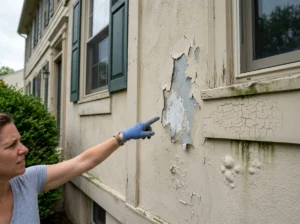
Drywall may have dents, holes, stains, loose tape, or damage from carts and stored goods. Concrete block may hold dust in its open surface and may need more cleaning or paint than a smooth wall. Metal panels may have oil, rust, or loose coatings.
The amount of wall detail also matters. Doors, pipes, signs, alarms, conduit, racks, and wall-mounted equipment slow the work because they need masking or careful cutting.
Color can affect how the space feels and how easy it is to inspect. A lighter wall may make dirt, damage, or leaks easier to see, but the final choice should also account for glare, cleaning, and the work done in that area.
A warehouse wall paint company is a direct service search, so this guide does not try to replace the service page for that term. Businesses ready to discuss the work can review Knapp Painting’s warehouse painting services.
What Makes High Walls and Ceilings More Complex?
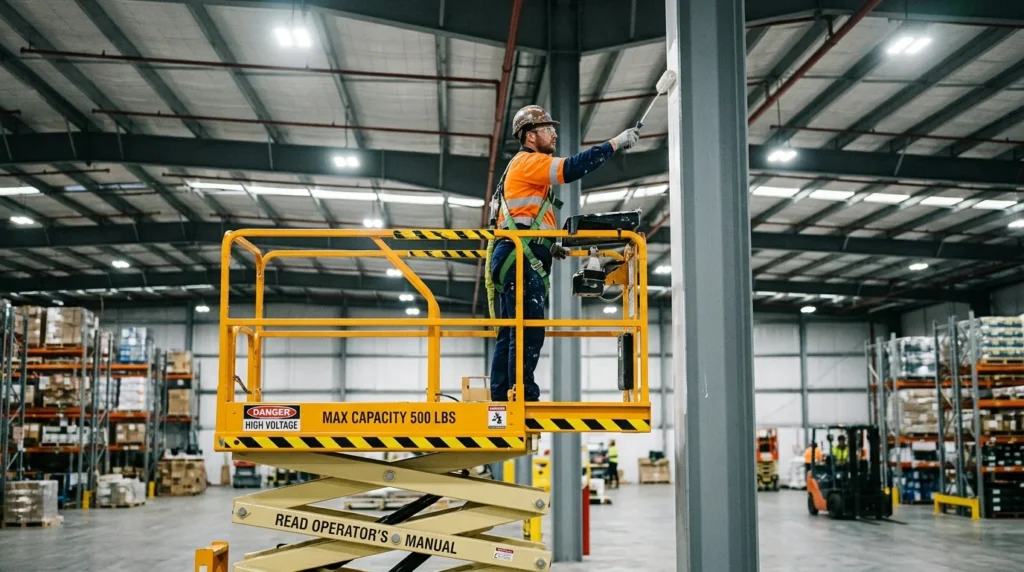
High-bay walls and ceiling decks often need lift access. The crew may also have to work around lights, pipes, beams, sprinklers, fans, doors, and stored goods.
A clear route is needed for the lift. The floor must support the equipment, and the machine must be able to move without striking racks, vehicles, or overhead parts.
OSHA states that only trained workers should operate scissor lifts. Employers must also follow the equipment maker’s instructions, check the lift, use its guardrails, and control nearby traffic and overhead risks.
The facility should decide whether stock must be moved, covered, or kept in another zone. Dust or paint spray can travel farther in a large open building, mainly when fans or doors create strong air movement.
Ceiling work may also affect lights, alarms, signs, and fire equipment. These items should not be painted, blocked, or covered without an approved plan from the facility team.
How Should Structural Steel Be Checked?
Steel columns, beams, rails, stairs, and supports may need more than normal wall paint. The first step is to check for rust, oil, loose coatings, impact damage, and moisture.
Small rust spots may only need local preparation. Wide rust, flaking layers, or deep pitting may point to a larger coating or moisture problem.
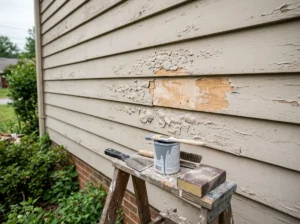
The old coating should also be reviewed. A new system must work with the surface and the paint that remains. When the old layer is weak, coating over it may only hide the problem for a short time.
Surface preparation may include cleaning, removing loose rust and paint, smoothing edges, and applying a suitable primer. The exact method should follow the condition of the steel and the selected product system.
Structural steel with strong chemical exposure, heavy corrosion, or special performance needs may fall outside a normal commercial repaint. Those projects may need structural steel painting or a more detailed industrial coating plan.
Why Is Surface Preparation So Important?
A coating can only bond to the material below it. Dust, oil, loose paint, weak concrete, and moisture may prevent the new finish from holding well.
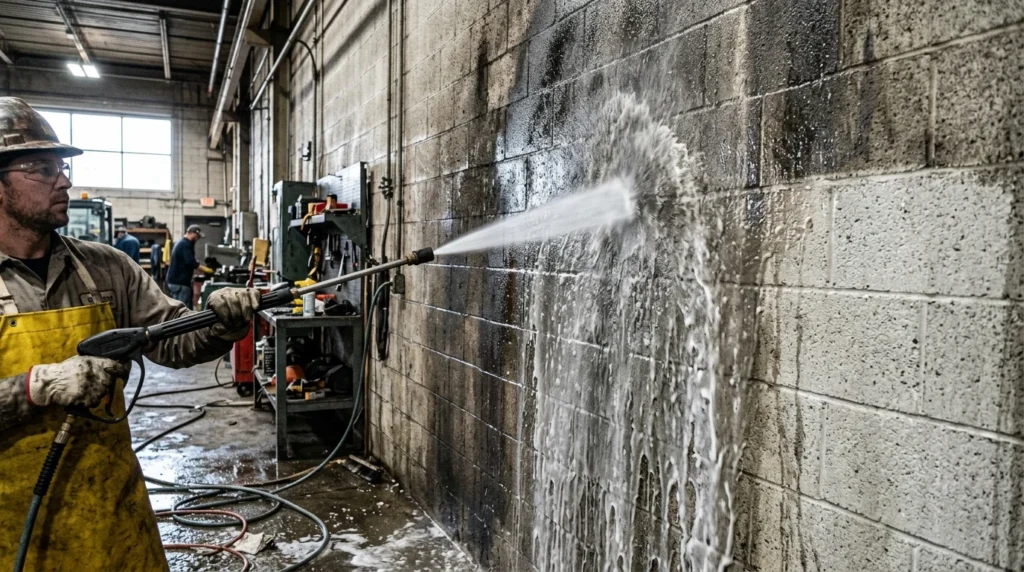
Warehouse walls often collect dust from open doors, racks, products, and daily work. Floors may contain oil, rubber marks, grease, cleaners, or old coatings. Steel may have rust or shop residue.
Cleaning should match the type of dirt and the surface. Dry dust may need vacuuming or controlled removal. Oil and grease may need a suitable cleaner or degreaser, followed by proper rinsing or removal.
Cracks and damaged areas should be checked before painting. A coating may cover a small mark, but it cannot rebuild broken concrete or stop an active water problem.
The surface must also be allowed to dry. The data sheet for the primer, paint, line product, or floor coating should guide moisture limits, temperature, drying time, and the next coat.
Which Coatings Work for Warehouse Walls and Ceilings?
There is no single best paint for every warehouse wall. The choice depends on the surface, traffic, cleaning, moisture, and type of work in the building.
A normal drywall office inside a warehouse may use a standard commercial wall system. A busy concrete-block hall may need more wash and impact resistance. A wet or process area may need a more technical coating.
High-build epoxy or urethane wall systems are available for facilities that need added impact, moisture, or chemical resistance. They should not be used only because they sound stronger. The system must match the surface, exposure, cleaning process, and planned downtime.
Ceilings may need a coating that works on metal deck, old paint, pipes, or exposed structure. Access, overspray control, and the items attached to the ceiling may affect the method more than the paint itself.
The contractor should explain why the selected system fits each area. Product names, primer needs, number of coats, and limits should appear in the written scope.
How Should Warehouse Floors Be Planned?
Warehouse floor painting can mean several different things. It may refer to a simple floor coating, a full resin system, a sealed concrete surface, or only painted lines and symbols.
The first step is to inspect the concrete. Cracks, weak areas, moisture, oil, old paint, and repair patches can affect which system will bond and how long the work will take.
Traffic must also be reviewed. A walking path does not face the same wear as a forklift lane, loading zone, battery area, or machine space.
Epoxy and other resin floor systems may suit some logistics and warehouse areas, but selection should consider traffic, chemicals, slab condition, repair work, downtime, and maintenance. Sherwin-Williams also notes that different warehouse zones may need different floor systems rather than one coating across the full building.
This article does not turn floor planning into an epoxy sales pitch. A full floor system is a separate project and should be reviewed through the epoxy floor coating service when needed.
How Should Warehouse Safety Lines Be Planned?
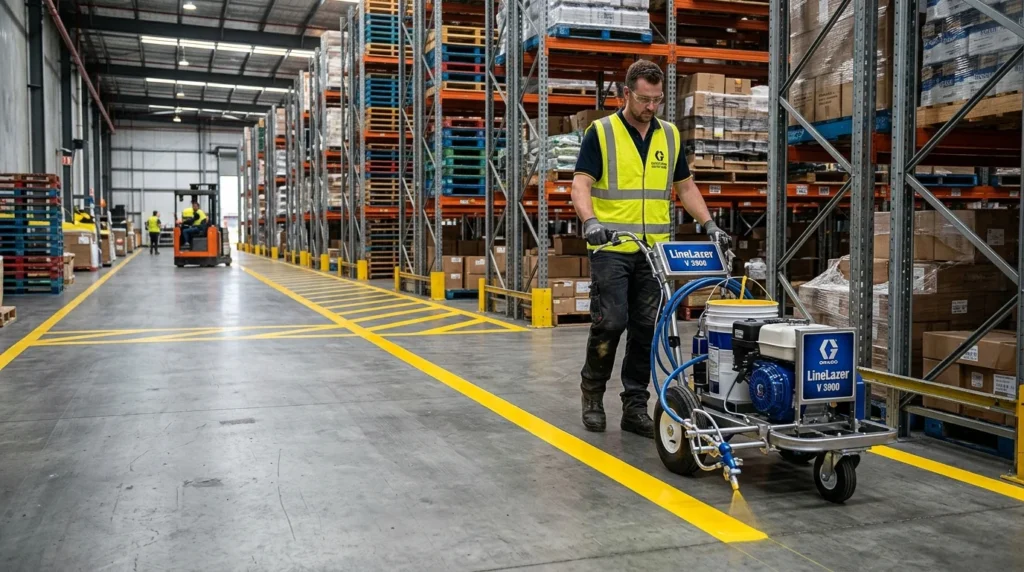
Warehouse line painting should begin with the facility’s traffic and safety plan. The layout should show where people walk, where forklifts move, where stock is placed, and which areas must remain clear.
OSHA requires permanent aisles and passageways to be marked where mechanical handling equipment is used. It also requires enough clearance and states that aisles should remain clear and in good repair.
OSHA’s color rule uses red for certain danger and stop uses and yellow for caution and physical hazards. It does not create one full color chart for every warehouse zone, product area, or work process.
A business may use other colors for walk paths, storage areas, loading zones, inspection areas, or waste zones. The key is to use one clear system that matches the facility’s risk plan and is explained to workers.
The line layout should be approved before old markings are removed. Aisle width, turning room, rack placement, doors, exits, machines, and loading paths may all affect the design.
Warehouse floor marking paint should match the concrete, old coating, traffic, cleaning, and reopening needs. Tape may also be an option on some sealed floors, but paint and tape should both be reviewed for wear, grip, removal, and upkeep.
Can Painting Continue While the Warehouse Is Open?
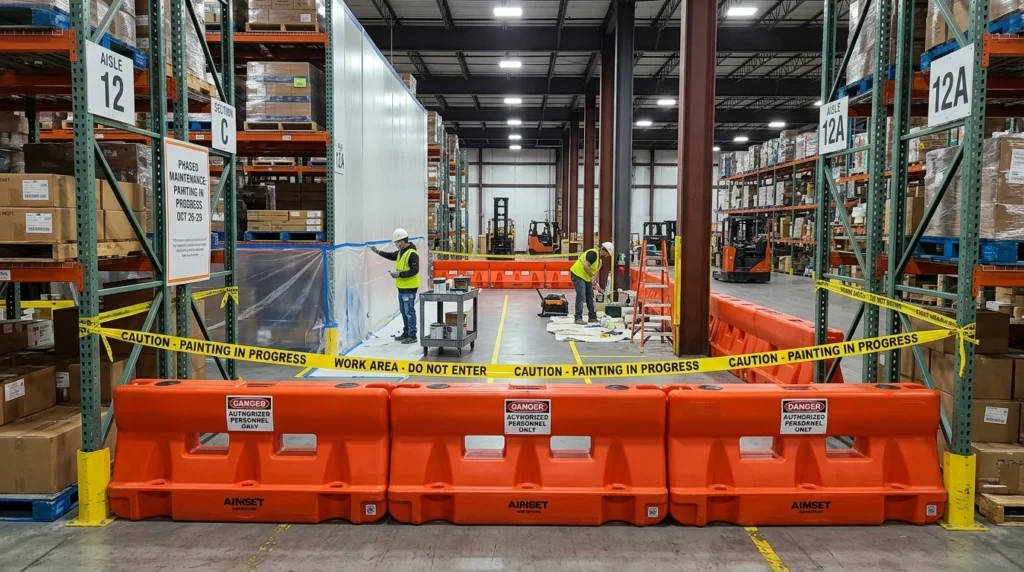
Yes, some projects can be completed while the building stays active. The work must be divided into clear zones so workers, vehicles, and stock remain away from preparation, lifts, wet coatings, and tools.
A phased plan may close one aisle, wall, loading area, or section at a time. The next zone should not open until the coating and protection have reached the stage listed in the product instructions.
The facility team should decide how traffic will be moved. Forklift routes, pedestrian paths, dock use, emergency access, and material storage may need short-term changes.
Dust, odor, and overspray must also be controlled. Strong airflow from fans, open docks, or heating systems can carry dust or coating mist into active areas.
Daily communication is important. The facility contact should know which zone is active, what will close next, and whether any surface or line needs more drying time.
How Should Aisle Closures Be Scheduled?
Aisle closures should match the flow of goods through the building. Closing a low-use section during a quiet shift may be simple, while closing the main forklift route may require a full traffic change.
The plan should show when stock will move, when cleaning will begin, and how long the area must remain free. Preparation often needs as much scheduling as painting.
Floor work may need more downtime than walls because vehicles and pallets place direct pressure on the surface. A coating can feel dry but still be too soft for forklift traffic or heavy loads.
The exact reopening time depends on the product, coat thickness, air and floor temperature, humidity, and type of traffic. Fixed claims such as “all warehouse paint cures in seven days” should not be used.
The contractor should provide the product data sheet and explain when the area can accept foot traffic, light carts, forklifts, cleaning, and normal use.
How Long Does a Warehouse Painting Project Take?
There is no standard timeline for every building. A small open wall may take far less time than a high-bay warehouse with ceiling work, steel, floors, lines, repairs, and active operations.
The total schedule depends on the paintable area, surface condition, access, crew size, number of coats, shift length, and drying time. Moving stock or equipment may also control when the crew can enter each zone.
A project completed during a shutdown may move faster because the crew has open access. A live facility may need more days because the work is split into small phases.
Weather may affect exterior doors, docks, and outside walls. Indoor temperature, moisture, air movement, and product limits may affect interior drying and curing.
The bid should give a planned schedule and state what may change it. Hidden damage, added repairs, blocked work zones, and unsafe conditions should be treated as possible delays rather than ignored.
What Should a Warehouse Painting Bid Include?
A useful bid should connect the price to a clear plan. It should not use broad phrases such as “paint warehouse” or “full preparation” without explaining the work.
The bid should state:
- Which walls, ceilings, steel, floors, doors, docks, and lines are included.
- What cleaning, repairs, rust work, and surface preparation will be completed.
- Which primers, coatings, line products, colors, and coats are planned.
- Which lifts, barriers, covers, closures, shifts, and protection steps are included.
- How drying, reopening, cleanup, change orders, and the final walkthrough will be handled.
The facility should also know who will move stock, racks, machines, signs, or stored goods. These tasks can affect the price and schedule when they are not assigned early.
Businesses comparing warehouse painting contractors should compare the scope before comparing the total. A lower bid may leave out repairs, lift access, protection, line removal, or after-hours work.
For wider service needs across business properties, review Knapp Painting’s commercial painting services.
How Should Painted Warehouse Areas Be Maintained?
Maintenance should begin with regular checks rather than a fixed repaint date. Walls, steel, floors, and lines do not wear at the same rate.
Busy corners, dock areas, forklift lanes, and floor markings may show damage first. High walls and ceilings may stay sound longer but can collect dust or show leaks.
Look for peeling, rust, cracks, fading, worn lines, stains, and areas that no longer clean well. The cause should be found before a touch-up or new coat is added.
Keep a record of colors, products, repair areas, and completion dates. This helps the next crew match the work and makes future planning easier.
A small touch-up may work when the old coating is still firm. Wide failure, moisture, damaged concrete, or deep rust needs a new surface review.
Frequently Asked Questions
Which warehouse surfaces are normally painted?
Common surfaces include drywall, block walls, ceilings, steel, doors, docks, concrete floors, aisle lines, and safety markings. Each area may need different preparation and products.
Can a warehouse stay open during painting?
Often, yes. The work may be completed in phases, but active zones must be kept away from forklifts, staff, stock, wet coatings, and lift equipment.
What coating is best for warehouse walls?
There is no single best coating. The system should match the wall material, traffic, moisture, cleaning, impact, and type of work in the area.
Should warehouse floors always receive epoxy?
No. The right choice depends on the slab, traffic, moisture, chemicals, downtime, and budget. Some areas may only need markings or another floor system.
Does OSHA require warehouse aisle markings?
OSHA requires permanent aisles and passageways to be appropriately marked where mechanical handling equipment is used. The full layout should also fit the facility’s traffic and hazard plan.
How long does warehouse painting take?
The timeline depends on area, height, repairs, access, work shifts, coats, closures, and drying time. A site review is needed for a useful schedule.
What should a warehouse painting estimate include?
It should list the surfaces, preparation, repairs, products, coats, access equipment, protection, work hours, closures, cleanup, exclusions, and change-order process.
Plan Warehouse Painting Around the Operation
A successful warehouse painting project should fit the way the building works. Walls, ceilings, steel, floors, lines, lifts, traffic, stock, and drying time must all be included in the plan.
To review your facility and create a project-specific scope, contact Knapp Painting to discuss warehouse painting in Cleveland and Northeast Ohio.