
Commercial interior painting cost depends on the paintable area, wall condition, height, repairs, number of coats, work hours, and building use. Some contractors use a square-foot rate during early planning, but the final estimate should be based on a clear scope and a site review.
Two offices with the same floor size may have very different painting costs. One may have open walls in good condition, while the other may have tall halls, damaged drywall, many doors, or staff working in the space.
This guide explains how contractors build commercial interior estimates. It also shows what affects the price, why occupied buildings may cost more, and what should be included in a written bid.
For help with the full planning process, read our commercial painting guide for Cleveland businesses.
How Is Commercial Interior Painting Priced?
Contractors may price the work by paintable square footage, labor hours, rooms, or one total project amount. Large and clear areas may be easier to estimate with a square-foot method, while detailed or damaged spaces may need more labor-based pricing.
The contractor first checks which surfaces are included. Walls, ceilings, doors, frames, trim, columns, and concrete block should not be treated as one simple area.
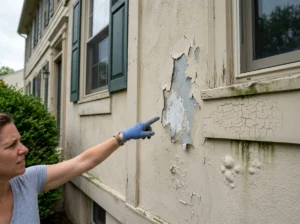
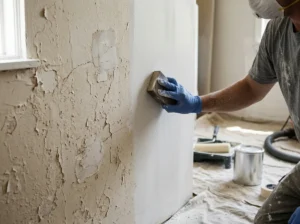
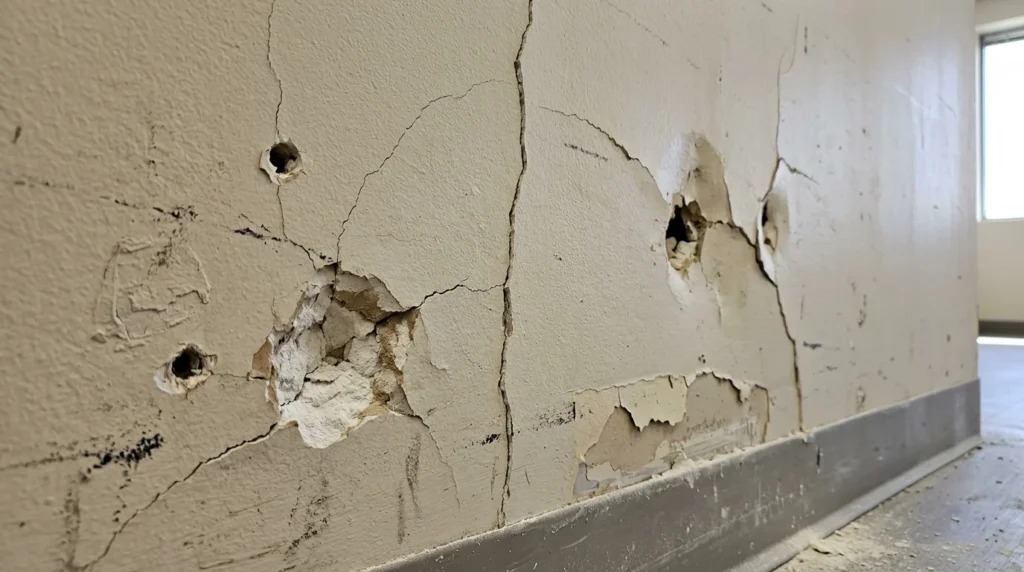
The next step is to inspect the surfaces. Clean drywall in good condition takes less work than walls with dents, stains, loose paint, cracks, or failed joint tape.
The estimate should also include materials, setup, protection, access equipment, cleanup, and the planned work hours. A project completed during normal hours may have a different cost than work done at night or on weekends.
The final price should connect to the actual scope. A square-foot number without clear assumptions may leave out repairs, high walls, added colors, or occupied-building needs.
What Does Price per Square Foot Mean?
A commercial painting cost per square foot can refer to floor area or paintable wall area. These are not the same measurement, so the estimate should state which one is being used.
Floor area measures the space people walk on. Wall area is based on wall length and height, with doors, windows, and other large openings considered as needed.
For example, a 100-foot-long wall that is 10 feet high contains about 1,000 square feet of wall surface before openings are removed. A building with 10,000 square feet of floor space may have far more or far less than 10,000 square feet of paintable walls.
Open offices may have fewer walls than buildings with many small rooms. Corridors, restrooms, storage rooms, and private offices can add a large amount of wall area without changing the building’s floor size.
This is why businesses should ask what the square-foot rate covers. The same number can mean very different things when the measurement and scope are not defined.
Why Is There No Universal Price per Square Foot?
A single commercial interior painting cost per square foot cannot describe every project. The rate changes when the amount of labor, protection, repair, or access changes.
A wide wall in an empty room may allow the crew to work at a steady rate. A hallway with doors, signs, alarms, corners, and daily foot traffic will take more time for the same amount of wall area.
The paint system also matters. One project may need light cleaning and a similar color, while another may need repairs, primer, stain blocking, and a strong color change.
Work hours can affect production as well. A crew working in short night shifts may need to set up and clean the same area several times.
Square-foot pricing can still be useful for early planning. It becomes more useful when the contractor explains the surface, preparation, coats, access, and schedule behind the rate.
What Has the Biggest Effect on the Cost?
The main cost drivers are wall condition, height, detail, access, building use, and the amount of preparation. Paint quantity matters, but labor often changes more when the surfaces are damaged or hard to reach.
| Cost factor | Simpler condition | More involved condition |
|---|---|---|
| Wall condition | Clean and firm | Cracked, stained, peeling, or damaged |
| Wall height | Standard-height walls | Tall walls, stairs, or open ceilings |
| Building use | Empty or closed space | Occupied office, store, or facility |
| Color change | Similar color | Strong dark-to-light change |
| Surface detail | Open walls | Many doors, frames, corners, and signs |
| Work hours | Normal access | Nights, weekends, or short work windows |
| Coating system | Standard wall paint | Primer or added performance needs |
A useful estimate should explain which of these conditions apply. The business can then see why the price differs from another property or an online average.
How Do Wall Repairs Affect the Final Price?
Repairs can add a small amount of work or become a major part of the project. Small nail holes are different from damaged drywall, wide cracks, stains, or loose material.
A contractor may need to patch holes, repair joint tape, sand rough areas, seal stains, or replace weak sections. Each repair must dry and be prepared before finish paint is applied.
Water stains need special care. The source of the water should be found and fixed before the wall is painted. Primer may hide the stain, but it will not stop an active roof, plumbing, or window leak.
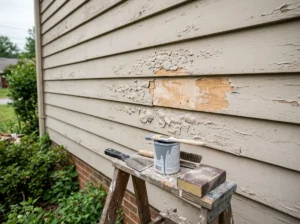
Old or loose paint must also be checked. New paint may fail when the coating below it is not firm.
The bid should state which repairs are included. A broad line such as “minor wall prep” is not enough when the building has clear damage.
Why Can an Occupied Building Cost More?
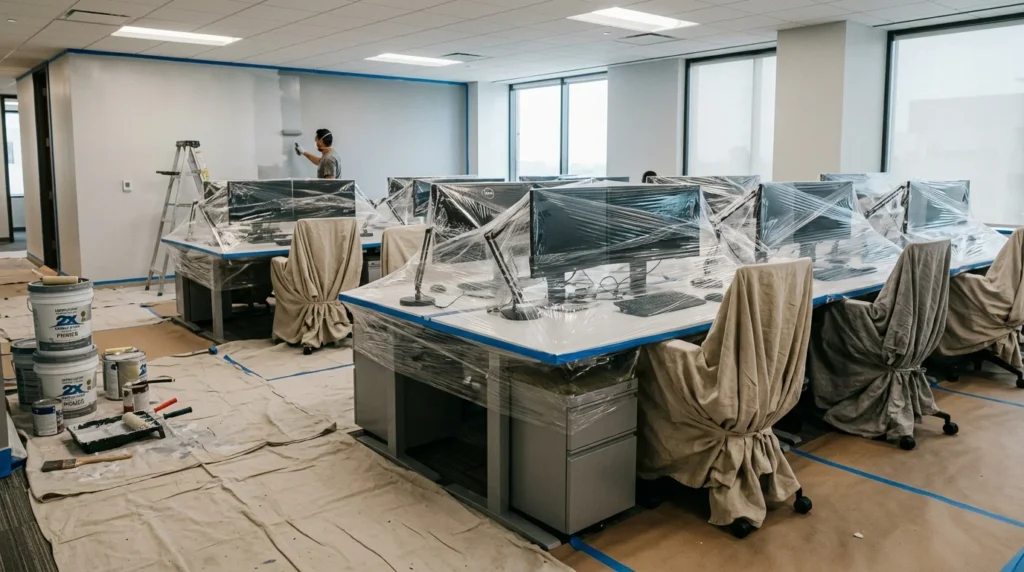
An occupied property often needs more setup, protection, and communication. The crew may have to work around staff, customers, furniture, equipment, and daily cleaning.
The project may need to be divided into small zones. Each zone may require new masking, floor covers, furniture movement, cleanup, and inspection.
After-hours work can also affect the price. Night or weekend work may require shorter shifts, added lighting, security access, or repeated setup.
The crew may need to stop noisy preparation during meetings or busy periods. Wet areas may also need barriers and signs until the coating is ready for normal use.
This does not mean every occupied project will cost more. It means the estimate should include the real steps needed to keep the building open and safe.
Knapp Painting’s commercial interior wall painting page covers interior painting for offices and other business spaces.
How Do Wall Height and Access Change the Estimate?
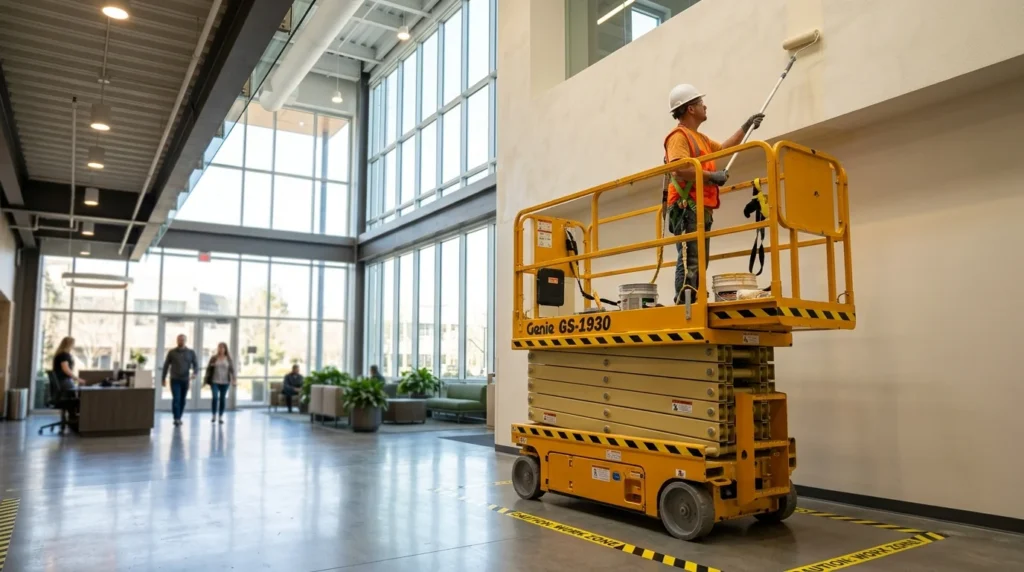
Standard office walls are often easier to reach with normal ladders or extension tools. Tall halls, stairways, atriums, warehouses, and open ceilings may need more equipment.
A scissor lift can help the crew reach high areas, but it adds more than a rental charge. The project may also need delivery space, floor protection, equipment checks, and a controlled work zone.
Furniture, shelving, displays, and stored goods can also limit access. The crew may spend more time moving protection or working in smaller sections.
A tall wall with open access may still be easier than a lower wall behind fixed equipment. The site review should look at how the crew will reach each surface, not only how high it is.
How Do Paint, Primer, and Coats Affect Cost?
The coating system should match the surface and the way the room is used. A quiet private office may not need the same finish as a busy corridor, lobby, restroom, or break room.
Primer is not needed on every painted wall. It may be needed on repairs, stains, bare drywall, strong color changes, or surfaces where the old coating has poor grip.
The number of coats also changes labor and material use. A similar color over a sound wall may be simpler than changing a dark color to a light one.
Low-VOC paint may be considered for occupied spaces, but the product must also meet cleaning, appearance, and performance needs. The label should not be the only reason for choosing a coating.
The estimate should name the product type, finish, primer needs, and planned number of coats. This makes it easier to compare one bid with another.
How Does the Facility Type Affect Cost?
Different business spaces create different work conditions. The cost is based on how those conditions affect preparation, access, protection, and work hours.
Office walls may be simple to paint, but desks, screens, meetings, and staff schedules can slow the work. Corridors may have many doors, frames, signs, and corners.
Retail spaces may need night work and careful protection around stock, displays, and customer paths. The area may also need to reopen before the next business day.
Warehouse interiors may contain concrete block, drywall, metal, tall walls, and open ceilings. Dust, stored goods, forklift lanes, and lift access can change the scope.
Medical, school, and public spaces may have strict access and reopening rules. The property team may also require certain products, ventilation steps, or work hours.
The type of business does not create the price by itself. The real cost comes from the work needed inside that building.
For office-specific planning, see Knapp Painting’s office painting services. Large storage and distribution spaces are covered on the warehouse painting page.
Is Commercial Exterior Painting Included in This Price?
No. This guide is limited to interior walls and related indoor surfaces.
Commercial exterior painting cost is based on a different set of needs. Exterior projects may involve weather, masonry, metal, failed caulk, lifts, scaffolds, traffic control, and longer drying windows.
Interior and exterior work should be shown as separate parts of the bid. This keeps the scope clear and helps the business see how each part affects the budget.
A contractor may provide both prices in one proposal, but the interior square-foot rate should not be used to guess the exterior cost.
Can an Online Cost Calculator Give an Accurate Price?
A commercial painting cost calculator can provide a rough planning number, but only when the inputs and limits are clear.
A basic calculator may ask for square footage and number of coats. It may not ask about damaged walls, tall areas, occupied rooms, furniture, night work, primer, or lift access.
The result may also change based on whether the calculator uses floor space or wall area. Without that detail, the number may not match the real project.
A better early budget starts with five pieces of information: the paintable area, wall condition, height, surfaces included, and work schedule. The site review can then confirm repairs, access, and coating needs.
An online estimate should never be treated as a final bid. The written scope is more important than the calculator result.

What Should a Commercial Interior Estimate Include?
A clear estimate should make it easy to understand what the business is buying. It should also help the business compare the same work between contractors.
Check that the estimate explains:
- The rooms and surfaces included.
- The cleaning, repairs, sanding, and preparation.
- The primer, finish, and number of coats.
- The work hours, access equipment, and protection.
- The cleanup, exclusions, and change-order process.
- The payment terms and any written warranty.
The estimate should also state who moves desks, furniture, stock, signs, and equipment. These tasks should not be left unclear until the first day of work.
Product names or clear performance needs should be included when washability, odor, drying time, moisture, or cleaning matters.
How Should Businesses Compare Painting Bids?
Do not compare the final total first. Begin by checking whether each bid covers the same rooms, surfaces, repairs, and number of coats.
One contractor may include patching, primer, two coats, daily cleanup, and night work. Another may include only one coat on open walls during normal hours.
The lower bid may not be a lower price for the same work. It may simply contain a smaller scope.
Check the exclusions closely. Repairs, ceilings, doors, frames, furniture movement, lift use, and after-hours work may be priced separately.
Businesses should also compare the schedule and communication plan. A clear project plan may be more valuable than a low total that leaves daily operations at risk.
For a wider planning checklist, use our commercial painting guide for Cleveland.
How Can a Business Control the Budget?
The safest savings come from planning early and setting clear priorities. Cutting surface preparation can lower the first quote, but it may also lower the quality of the finish.
A business may choose to paint customer areas, busy halls, and damaged walls first. Lower-use rooms can be moved to a later phase.
Keeping a similar color may reduce work when a full color change is not needed. Choosing colors and finishes before the start date can also prevent delays.
Furniture, signs, and small items may be moved in advance when the contractor agrees. The building team should not move anything that creates a safety or damage risk.
Optional items can be shown as separate prices. This allows the business to adjust ceilings, doors, frames, or extra rooms without changing the main scope.
When Is an On-Site Estimate Needed?
An on-site estimate is useful for most commercial interiors. Photos and floor plans can help with early planning, but they may not show wall damage, stains, height, fixed equipment, or access limits.
The contractor should walk through each work area and review the building schedule. The business should point out repairs, sensitive rooms, security rules, and spaces that must stay open.
The visit also helps confirm which surfaces are included. Walls, ceilings, doors, frames, trim, columns, and concrete block should be listed rather than assumed.
A useful estimate gives the business more than a total. It gives the team a clear plan for cost, access, protection, and daily work.
Knapp Painting’s commercial painting services can help businesses define a project before a final bid is prepared.
Frequently Asked Questions
How is commercial interior painting priced?
Contractors may use wall area, labor hours, room counts, or a total project price. The final estimate should reflect preparation, repairs, coats, access, protection, and work hours.
What affects commercial painting cost per square foot?
Wall condition, height, repairs, details, number of coats, building use, work schedule, and coating choice can all change the rate.
Why does an occupied building cost more to paint?
Occupied buildings may need smaller work zones, extra protection, repeated setup, night work, and more communication. These steps can add labor to the project.
Are wall repairs included in the square-foot price?
Sometimes, but not always. The estimate should state which repairs are included and how larger or hidden damage will be priced.
Does the estimate include ceilings and doors?
Not unless they are listed. Walls, ceilings, doors, frames, trim, and other surfaces should be named in the written scope.
Can a cost calculator replace an on-site estimate?
No. A calculator can help with early planning, but it may not account for wall condition, access, repairs, occupied spaces, or work hours.
What should a commercial painting bid include?
It should include the areas, preparation, repairs, primer, coats, products, protection, schedule, access equipment, cleanup, exclusions, and change-order process.
Request a Commercial Interior Painting Estimate
A useful estimate should explain why the project costs what it does. It should connect the price to the walls, repairs, products, work hours, access, and protection needs.
To receive a project-specific scope for your Cleveland business, contact Knapp Painting to request a commercial interior painting estimate.