
You turn the light on and there you are, your pale, raggedy room blows up into a new, bright heaven screaming home sweet home. It is the madness of a kill paint job! Worn out of seeing dinged-up walls that bring you down? You can be a DIY beginner in your first flat, or you can be the house owner and need to spruce up the living room: It doesn’t matter how financially strained you are; knowing how to paint a wall will get you professional results without having to hire a contractor.
Shall I tell you all the secrets of wall-painting in sequence: Best choice of the color, and tools that can never go astray, and tricks of the painting-room which make it look like a winning day every time, to paint an interior room. It will make your place look like it was in a magazine.
Why Paint Your Walls for a Perfect Finish?
It is not merely about the process of concealing the scuff on your walls, but it is also a game-changer in the mood of your house. Consider it: Small rooms can seem larger with a new covering, be covered up with lived-in spots and even put you in a better mood. In the USA, where houses in such locations as California or Texas can be exposed to tons of sun and dust, routine painting of walls keeps everything in shape and prevents damage to the surfaces.
Why go for a perfect finish? It adds real value. According to the real estate gurus, a pro-appearing job will add 1-2 % to the value of your home upon sale, and what is more is at half the cost of wallpaper or a fancy makeover. When you are asking yourself how to paint a room, to begin with, why do you keep yourself focused on the mess?
What Makes a Perfect Room Finish?
The ideal finish would be clean, streak-free, drip-free, and without roller marks. It is the fresh appearance of magazines. Dressing up walls is best suited when you will suit a paint to the room, one light paint to a small bedroom, one vivid paint to a big living room.
Key “what” factors? Quality paint (such as Behr or Sherwin-Williams by Home Depot), the proper tools, and preparation. Where humidity is high, such as in the bathroom in Florida, select formulas that do not promote mildew. To clean and paint the walls, you can use semi-gloss so that the wall would be easy to clean. This information prepares you for success in interior room painting.
How to Paint Walls: Your Step-by-Step Guide to a Perfect Room Finish
Ready to dive in? This is the heart of how to paint a wall and a complete how-to painting a wall that makes you a professional when it comes to painting walls and trim. It will be divided into easy phases, and with real-life examples of my own projects. Anticipate one weekend in an average 12x 12 room, yet the outcomes? Totally worth it. This guide incorporates how to paint a wall, paint a wall edge, and how you paint a room from start to finish.
Gather Your Supplies First
Do not pass over shopping; half the battle is over. Go to a nearby Lowe’s or Walmart and pick up the following:
- Paint: 1 gallon is used to cover approximately 350 -400 sq ft. To paint interior rooms, choose latex (water-based) either in eggshell or satin finish. Valspar low-VOC paint was used in my kitchen redo because it reduced the emission of fumes.
- Materials: 9-inch roller and 1/2-inch nap that works on a smooth wall, angled brush that works on the edges, drop cloths, painter tape, sandpaper (220 grains), a primer, a tray, and an extension pole.
- Extras: Ladder, gloves, rags, and TSP cleaner for greasy spots.
Budget? $100-$200 for a room. Trick: Purchase samples so that you can test them against your walls.
Prep Your Space Like a Boss
Prep is 80% of a great job. Its omission causes peels and bubbles. This is the secret of learning to paint a wall on the right:
- Evacuate the room: Rearrange the furniture to the center, cover it with plastic. Outlets, switches, and floors, tape off. I applied taping in my living room project, which prevented the dripping of my hardwood.
- Wipe everything Clean: Clean Walls With TSP or (Soap- water mix). Grease in kitchens? It kills paint adhesion.
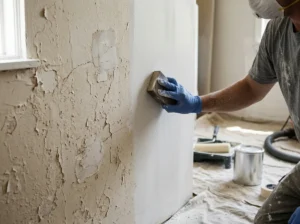
- Fix fascinating marks: Fill in holes in spackle, rub sand after drying (2 hours). Joint compound is to be used on cracks.
- Prime fees required: New dark or Drywall? Prime first. Zinsser primer blocks the trick to painting on the nicotine residue on the walls in an older house.
Example: I painted a deplorable bedroom in Ohio in the previous summer. One coat made the yellow walls bright white using priming.
Prime and First Coat: Build the Base
Even the covering of the wall is done by the prime. Apply the prime mixture thoroughly, brush edges (2-inch wet edge rule, brush paint on before it is dry) and roll in W or M patterns. Overlap strokes by 50%. Let dry for 4 hours.
First, paint the coat the same way. In order to paint walls, thick globs are beaten with thin layers. This was created in a 10×10 children’s room, and I did not want the orange peel texture.
Cut In and Roll for Smooth Walls
Wall and trim painting begins with the process of cutting in, which involves brushing paint put 2-3 inches around the edges and ceilings, as well as baseboards, etc. Strokes to use should be straight; drill with cardboard.
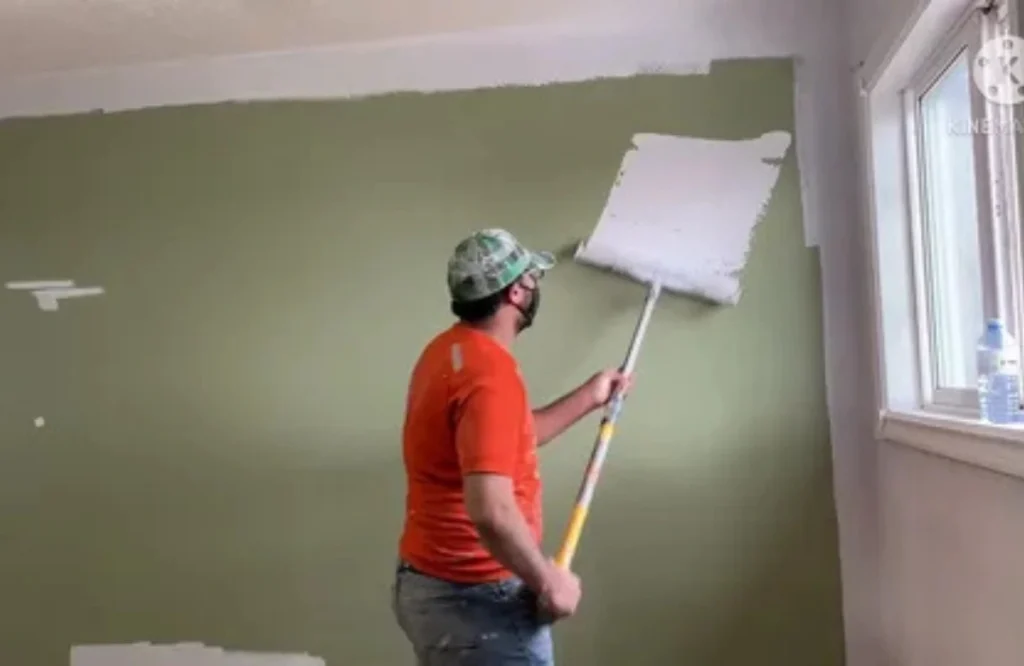
Roll from top down. Lightly pressing the roller down and up, sideways. Work in 3×3 ft sections.
Painting room hints: Have thin streaks so that they fade into each other! On the thicker walls (especially on Southwest houses with a lot of texture), heavier rollers of the nap will work.
But in truth, tell me about my job. How do you paint a room for the first time? I was much too fast, and I was full of holidays (struck spots). Take it slow, make it back and roll after spraying when you are fancy.
Tackle Trim and Touch-Ups
Now paint the walls and trim. Getting away with switch plates. First brush trim (thin strokes), followed by walls to polish off with a dry brush in order to achieve sharp edges. Half gloss conceals dirt on windows/doors.
Dry time: 2-4 hours between coats. They use two coats to paint the inside rooms.
Sprinkle (400-grit) for between to a minute.
Example: In a Jack and Rose franchise flip in Texas, white semi-gloss on the trim makes baseboards stand out on the beige walls. Tenants loved it.
Final Coats and Clean-Up
The second coat seals it. Allow 24 hrs before transportation of furniture. Use a 45 degree angle when peeling off the tape when wet.
Clean-up: Immediately, the brushes should be washed in soapy water. Rollers? Rinse till clear. Store paint for touch-ups.
Common pitfalls? Dust, turn off fans. Heat, paint in 50-85°F. Extension poles rescue your back when using high ceilings.
Maximum tips in the painting room for pros:
- Color blocking Tape wall accents.
- Faux finishes: Sponge in dining rooms.
- Eco choices: the Natura by Benjamin Moore that is free of VOCs and safe with families.
In one of my low-level jobs in the basement, this was followed by how to paint the wall when there was little modification. The LED work lights were the solution. Time taken: A total of 8 hours on two days. Result? The walls were smooth to an extent that friends believed that help had been brought in.
It can be used in all rooms, bedrooms, offices, and even in garages. Reduced space. The biggest spaces will be sectioned once. It is enjoyable and a relaxing experience to paint walls.
Top Benefits of a Perfect Wall Finish
Why bother with all this? A perfect interior can create impressions in your house. It covers flaws, it casts light with increased energy (making the rooms look like they are 20% times larger), and it lives 5-10 years.
Health benefits: Fresh paint eliminates allergens in case of anti-microbial paints. Energy savings? The light walls require less lighting. It combats winter gloom in USA markets such as the Midwest.
Essential Painting Room Tips and Strategies
Nail painting interior rooms with these hacks:
- Lighting trick: Paint during the day with natural light to spot mistakes.
- Tape hack: “Wet edge” method, paint over tape edges fast.
- Roller speed: Roll fast for even spread, slow for control.
- Color test: Paint large swatches; check at night, too.
- Trim strategy: Caulk gaps first for seamless paint walls and trim.
- Speed up dry time: Fans or dehumidifiers in humid areas like the Southeast.
Use these for foolproof results every time.
Conclusion
There you have it, a simple path to painting walls that delivers a perfect room finish every time. From smart prep to pro rolling techniques, these steps make painting a wall doable for anyone. You’ll love the fresh, inviting space it creates.
Ready to transform your home? For expert tools, color advice, or pro services, visit Knapp Painting LLC today!
FAQ’s
A typical 12×12 area will take approximately 4-6 hours to complete a single coat or coat plus setting time and one or two coats of paint and drying work. Wrap DIY: Typical 1-2 days. According to the humidity and how fast you are a full DIY job that is coated twice. Pros can do it faster!
Yes, new drywall, dark to light color change, or stained surfaces must be primed. It both closes the wall, eliminates bleed-through, and saves on paint (one less topcoat required), as well as provides a very smooth covering. Skip it, and its finish will either bubble or peel in the future.
Use latex-based or satin sheen of reputable brands such as Sherwin-Williams or Behr- they are easy to work with and long-lasting. Select low/no VOC within the option to make the indoor air fresh, particularly in the rooms of the kids or in case of allergies. They’re perfect for everyday walls.
Angel-grasp percent quality angled sash brushes with synthetic bristles, take down a debit of paint with water (in case of latex paint), and continuously have a wet edge to join strokes together. Here, brush edges faintly with a dry brush so as to have no traces!
Absolutely, beginners nail it all the time! All you need is extensive preparation, such as cleaning and taping, practice cutting-in edges on scrap and roll, in small sections. Get practice in a small bathroom to gain confidence; you will be pro-level in a room.
Any high-traffic place, such as a kitchen or a corridor, should be repainted in 3-5 years to combat grease and scuffs. Guest bedrooms have low-use periods of 7-10 years. Look out for fades, cracks, or dirt accumulation, and you will know, new paint keeps your home new.