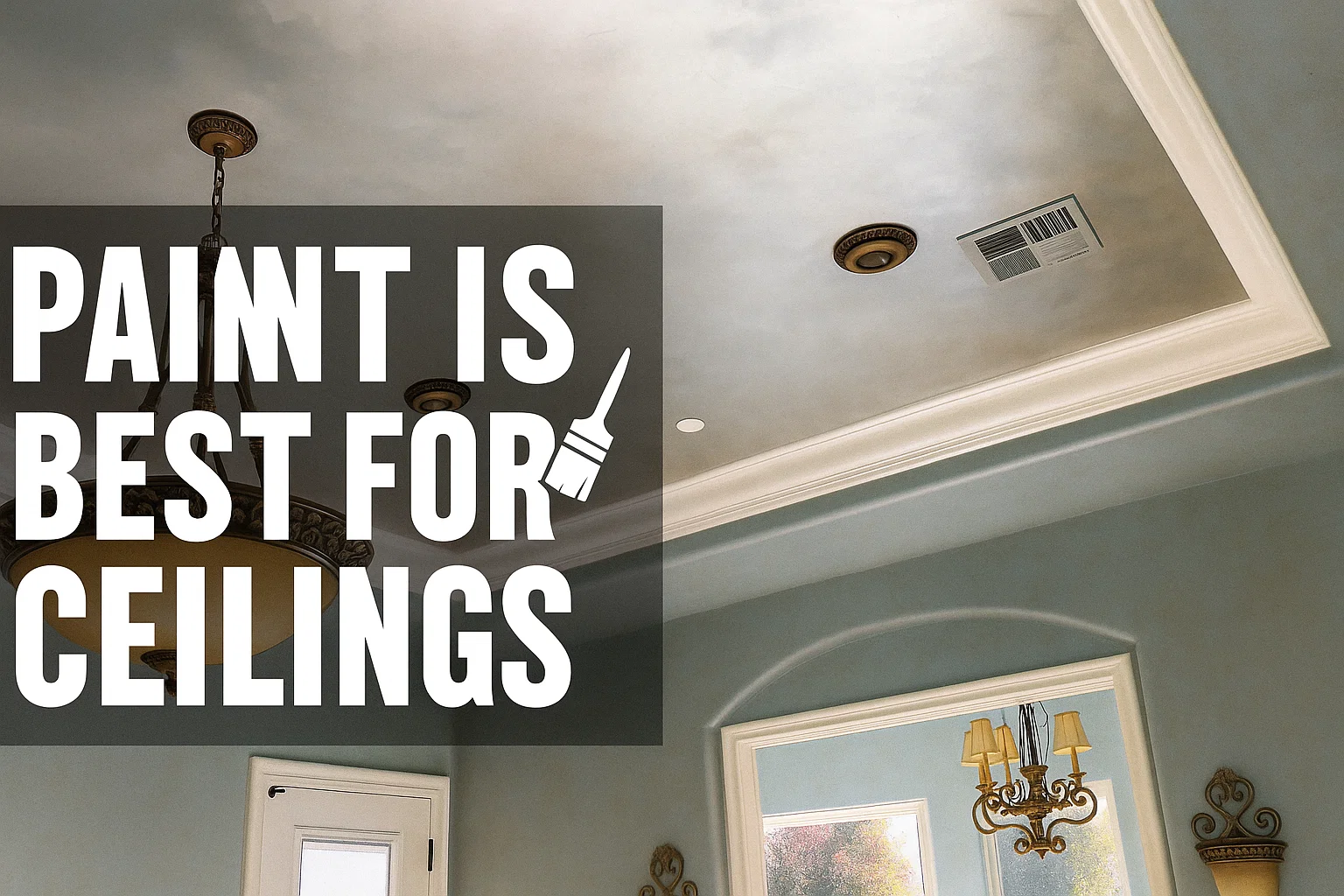
The selection of the appropriate paint to be used on your ceiling can make of great difference in the general appearance and feel of a room. You may be cleaning your living room, renovating your bedroom, or even getting your bathroom ceiling painted; what matters as much as the color used is the kind of paint that you apply. Applying the correct paint guarantees a good appearance of the ceiling, durability and maintainability.
We are going to discuss the most effective kind of paint to use on ceilings, possible considerations when picking out ceiling paint, and provide some useful advice to help you complete the task correctly.
Why is Choosing the Right Paint for Ceilings Important?
In the case of painting a ceiling, one should know that not every paint is the same. The kind of paint you apply to your ceiling is determined by the kind of finish, durability, and washing capability. But what is so much about the choice of the type of paint? Let’s break it down:
1. Durability and Protection
Ceilings get exposed to dust, smoke, moisture, and even oils from the kitchen. An excellent paint will not only appear excellent, but it will also guard the ceiling against these factors. To use her in the bathroom, the ceiling should not be able to peel or bubble under the influence of humidity and moisture. Using the correct paint will ensure that your ceiling lasts longer and is not worn out due to daily use.
2. Finish and Aesthetic Appeal
Another crucial fact is the paint finish. A small room can be made to appear larger or lighter, or more welcoming, with the help of the right finish. There are various finishes, and they are matte, eggshell, satin, and gloss finishes, which have distinct results regarding the light and the general appearance of the room. Selecting the proper finishing for your ceiling can make the room look good and feel good.
What Type of Paint Should You Use for Ceilings?
When selecting the paint that you are going to apply to your ceiling, you need to consider the room type, the light and even the ceiling surface. Although white is a popular ceiling color, the kind of paint applied is dependent on the room environment and the kind of finish that is preferred. The most optimal choices can be discussed:
1. Flat or Matte Ceiling Paint
Ceilings can be best painted using flat or matte paints. They are of excellent coverage and the easiest to touch up in case of a need. They also perform a superb job in concealing any flaws such as cracks or stains on the ceiling and thus are ideal to use on older houses where the ceiling may be worn out.

- Why It’s Good: Flat paint forms an opaque coating that conceals the faults, making it the best choice for the ceiling. It also avoids the glare which expensive glossy paints are sometimes known to cause.
- Best For: Living rooms, bedrooms, and dining rooms in other words, almost any place where you need a smooth, soft finish, with no glare.
- Drawbacks: It is not the most easy to wash and this is a drawback when using it in a kitchen or bathroom, where the ceiling may become greasy or dirty.
2. Eggshell or Satin Paint
Eggshell or satin finish is marginally stronger than a flat finish. They possess some degree of shine; therefore, cleaning them is not as difficult as compared to the matte paint. They also do not have any uneven spots, but are smooth, shiny.
- Why It’s Good: These are more moisture and stain-resistant paints so they make a good choice in the bathroom or the kitchen. The refraction of the light also helps to illuminate darker rooms and make them seem a bit larger.
- Best For: Kitchens and bathrooms, or in rooms where the level of humidity is greater, or the ceiling is to be cleaned.
- Drawbacks: Eggshell or satin paints are less imperfect masking than flat paint, and are more permanent.
3. Gloss or Semi-Gloss Paint
Gloss and semi-gloss and paints are very reflective and they are shiny and polished. These classes of paints are the most resistant and therefore good in the areas where moisture or dirt is regularly exposed like in the bathroom or the kitchen.
- Why It’s Good: These paints are highly washable; hence, they are ideal in places such as the kitchen or bathrooms where dampness can be a problem. They also do well in bringing out some of the architectural features in a room.
- Best For: Bathrooms, kitchens and any high-humidity/traffic areas that are in need of frequent cleaning.
- Drawbacks: The glossy surface may expose the flaws on the ceiling surface like cracks or bumps. It is also able to be excessively self-reflective in some areas.
4. Specialty Ceiling Paint
There are also paints that are designed to be used on ceilings. Such paints are sturdier than normal wall paints and they cover the wall easily and minimize drips during the process. Ceiling paints are generally flat or matte and they are developed to provide a good covering and protection.
- Why It’s Good: The type of paint is specifically ceiling-oriented, which means it is not prone to dripping and splashing. They also cover better thus the amount of coats required is minimal.
- Best For: Any ceiling that needs to be applied fast and easily without the mess. They work particularly well on bigger walls of ceilings.
- Drawbacks: They cannot be considered the most suitable in such cases as in rooms with high humidity or in rooms where the ceiling requires more protection, since they are usually less resistant to moisture than other finishings.
5. Best Paint for Bathroom Ceilings
The ceiling of the bathroom is also subject to much dampness and therefore, you should select the paint that can withstand the humidity and steam. The bathroom ceiling paint would be of high quality, which is mildew-resistant, water and durable enough to withstand the conditions in a bathroom.
- Best Option: In bathroom ceilings, satin or semi-gloss paint is your best choice. These finishes are able to withstand moisture and, at the same time, clean up easily. Certain paints are designed to be used in bathrooms and they are mold and mildew-resistant.
- Drawbacks: These paints tend to point out the flaws, so make sure that your bathroom ceiling is smooth then you apply them.
Tips for Choosing the Best Ceiling Paint
The selection of your desired paint to cover your ceiling does not need to be that difficult. The following are some useful tips for making the right decision:
- Consider the Room Type: When you are painting the ceiling of a bathroom or kitchen, you should use a paint that is moisture-resistant and able to resist mildew. In case of a living room or bedroom, a flat finish may be the best option to create a look of smooth and matte surface.
- Test Before Committing: In the case where you are not sure of the finish to use, purchase a sample and apply it to a small part of the ceiling, and test it. This will provide you with more insight into how the paint will appear in your space.
- Go for High-Quality Paint: Good paint brands usually apply higher quality pigments and materials, which are of good coverage and long-lasting. Find high-quality paints in which the results are long-lasting results.
- Pick the Right Color: White is the most commonly used ceiling color, but you can also use light pastels and other neutral colors. Light colours are more helpful in reflecting light, hence making a room look bigger and brighter.
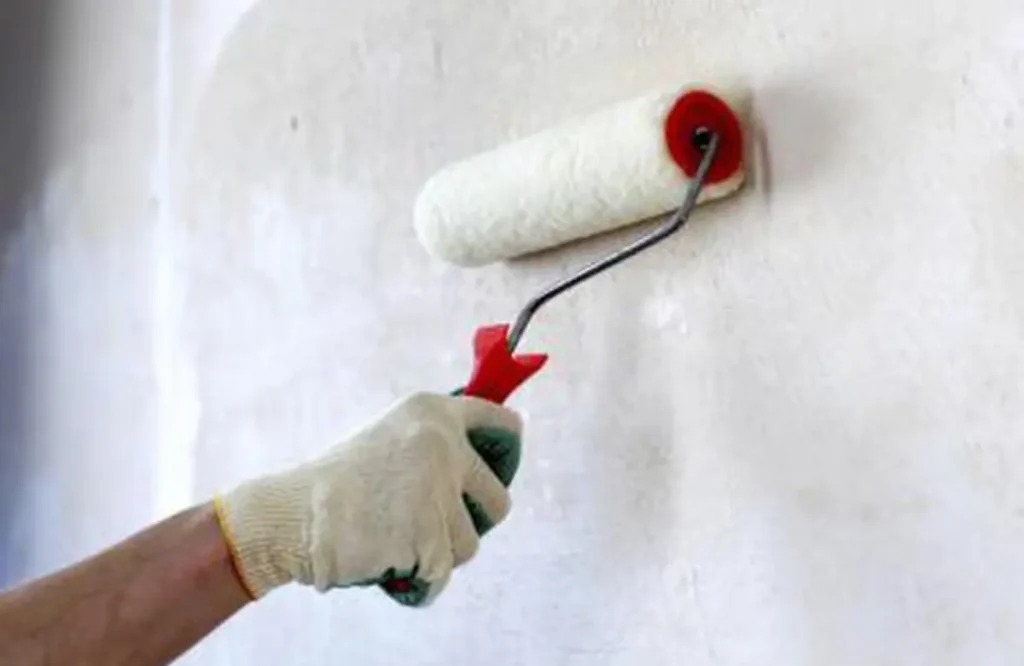
Benefits of Using the Right Paint for Your Ceiling
There are a great number of advantages that can be gained by using the best paint to paint your ceiling. And this is why it is worth paying to have good ceiling paint:
- Durability: A quality ceiling paint will not be damaged by moisture, dirt, and other daily usage and will maintain your ceiling clean and damage-free.
- Improved Aesthetics: The appropriate paint job can help a room become more spacious, brighter, and welcoming. It can also make any room sophisticated and professional.
- Ease of Maintenance: Cleaning and maintaining high-quality paints is easy, and therefore, the paints do not require frequent touch-ups or repairs.
- Mold and Mildew Protection: Bathroom and kitchen ceiling paints are available with mildew resistance that helps avoid the growth of mold, which may pose a health risk.
Conclusion
To make sure that your area will look fabulous and will endure, it is important to select the appropriate paint to cover your ceiling. You need a matte finish to conceal flaws, you need a satin finish to be durable, and you need a specialty paint to use in the bathrooms, there is an ideal variant in every room. When purchasing your paint, make sure to ensure that the paint is appropriate to your particular space in terms of moisture and frequency of cleaning.
For more tips on home improvement and expert advice on choosing the best paint for your ceilings, visit Knapp Painting today!
FAQs
What type of paint is best for ceilings?
Flat or matte paint is the best for ceilings as it hides imperfections and reduces glare. For bathrooms or kitchens, consider satin or semi-gloss paint for better moisture resistance.
Can I use regular wall paint for my ceiling?
While you can use regular wall paint, ceiling paints are thicker and less likely to drip. For the best results, use paint designed specifically for ceilings.
What is the best paint for bathroom ceilings?
Satin or semi-gloss paints are ideal for bathroom ceilings. These finishes are durable, moisture-resistant, and easy to clean.
Should I use gloss paint on my ceiling?
Gloss paints are very durable and easy to clean but can highlight imperfections. They work well in kitchens or bathrooms but might not be ideal for living areas.
How do I prevent drips when painting a ceiling?
Use ceiling-specific paint that’s thicker and less likely to drip. Also, apply the paint with a roller designed for ceilings to minimize splatters.
What color is best for a ceiling?
White is the most common color for ceilings as it brightens up the room. However, light pastels or neutral shades can also be used to create a more personalized look.
How often should I repaint my ceiling?
Ceilings typically need repainting every 5-7 years, depending on exposure to moisture, dirt, and wear. You may need to repaint sooner if your ceiling has stains or damage.